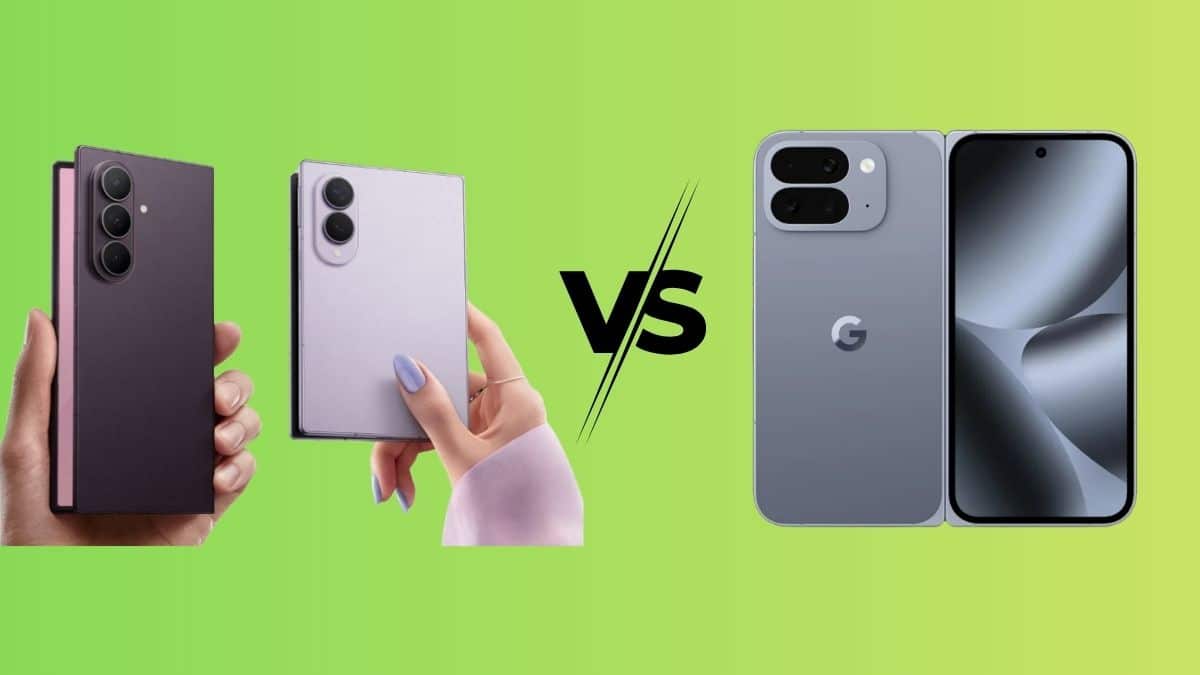
If you’ve been holding off on buying a foldable because previous generations felt like a compromise disguised as innovation, you’re not alone. For years, foldable phones asked buyers to accept a visible crease, worry about long-term hinge durability, and settle for camera systems that often lagged behind their flagship counterparts.
That equation is finally beginning to change, and this week made the decision a lot more interesting.
Samsung unveiled the Galaxy Z Fold 8 and Galaxy Z Fold 8 Ultra during its Galaxy Unpacked event on July 22, 2026. Google’s Pixel 10 Pro Fold, meanwhile, has been on the market since October 9, 2025. One is a brand-new release packed with the latest hardware, while the other comes with nearly a year of real-world feedback, software updates, and a clearer picture of its long-term durability.
That difference matters far more than a simple spec sheet suggests.
Here’s what actually separates Samsung’s newest foldables from Google’s flagship foldable and which one makes the most sense depending on how you use your phone.
Galaxy Z Fold 8, Fold 8 Ultra vs Pixel 10 Pro Fold: Quick Specs
| Feature | Galaxy Z Fold 8 | Galaxy Z Fold 8 Ultra | Google Pixel 10 Pro Fold |
|---|---|---|---|
| Starting Price (256GB) | $1,899.99 | $2,099.99 | $1,799 |
| Release Date | Aug. 7, 2026 | Aug. 7, 2026 | Oct. 9, 2025 |
| Cover Display | 5.5-inch (10:16 portrait / 16:10 landscape) | 6.5-inch (21:9) | 6.4-inch |
| Main Display | 7.6-inch (4:3) | 8-inch | 8-inch |
| Processor | Snapdragon 8 Elite Gen 5 for Galaxy | Snapdragon 8 Elite Gen 5 for Galaxy | Tensor G5 |
| Rear Cameras | 50MP wide + 50MP ultrawide | 200MP wide + 50MP ultrawide + 10MP 3x telephoto | 48MP wide + 10.5MP ultrawide + 10.8MP 5x telephoto |
| Battery | 4,800mAh | 5,000mAh (silicon-carbon) | 5,015mAh |
| Charging | 45W wired (~63% in 30 min) | 45W wired (~67% in 30 min) | 30W wired (~50% in 30 min) |
| Water & Dust Resistance | IP48 | IP48 | IP68 |
| S Pen Support | No | No | N/A |
| Weight | 201g | 215g | 258g |
| Software Support | 7 years | 7 years | 7 years |
Galaxy Z Fold 8, Fold 8 Ultra vs Pixel 10 Pro Fold: Price and Availability
Samsung didn’t simply refresh the Fold lineup this year—it split it into two distinct models.
The Galaxy Z Fold 8 starts at $1,899.99 for the 256GB variant, while higher storage configurations offer up to 1TB paired with either 12GB or 16GB of RAM, depending on the model.
The Galaxy Z Fold 8 Ultra starts at $2,099.99. Samsung positions it as the true successor to last year’s Galaxy Z Fold 7, pairing a larger display with a significantly upgraded camera system for an additional $200.
The Google Pixel 10 Pro Fold launched at $1,799 for the 256GB model and climbs to roughly $2,000 for the 1TB version, making it the least expensive way into this group for now.
There’s another factor worth considering before buying Google’s foldable.
Google typically announces new Pixel hardware in August, and multiple reports point to an August 12, 2026 launch event for the Pixel 11 series, including a Pixel 11 Pro Fold. While Google hasn’t officially confirmed pricing or specifications, its previous foldable didn’t begin shipping until several weeks after launch.
If you’re considering the Pixel 10 Pro Fold today, it’s worth remembering that its successor is likely only weeks away from being announced, even if it won’t immediately replace it on store shelves.
Galaxy Z Fold 8, Fold 8 Ultra vs Pixel 10 Pro Fold: Design and Durability
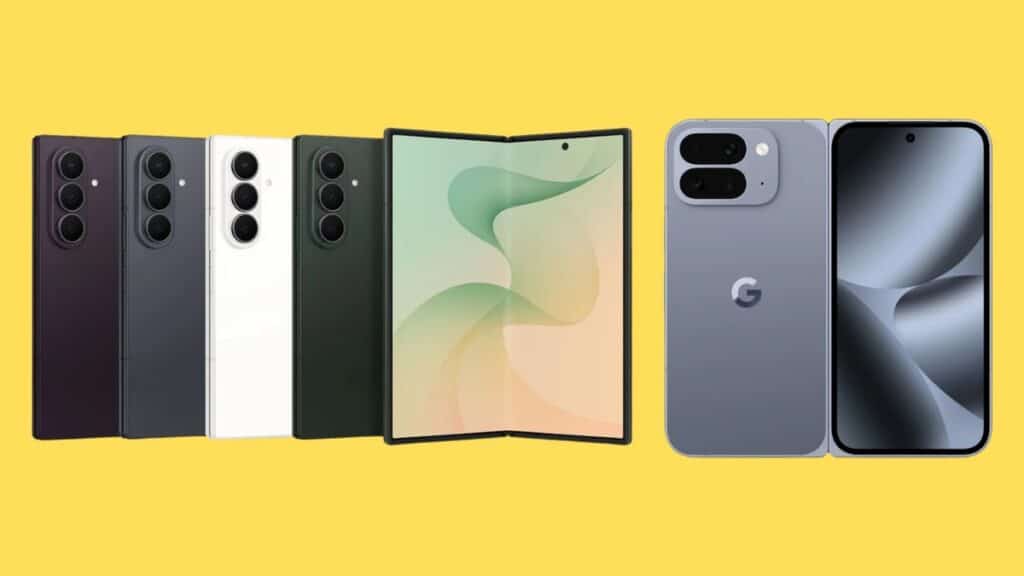
Beyond pricing, design is where these foldables begin to feel genuinely different.
Samsung has taken two distinct approaches with the Fold lineup this year.
The standard Galaxy Z Fold 8 widens the cover display to 5.5 inches. In portrait orientation, it uses a 10:16 aspect ratio, while rotating the phone produces a 16:10 layout.
Samsung describes the experience this way:
“Unfolding the device expands the display to a 4:3 aspect ratio, ideal for watching movies or playing games. Rotating the device switches to a 3:4 aspect ratio that feels more natural for reading e-books or browsing the web.”
The result is a phone that feels noticeably wider than previous Galaxy Folds, almost like carrying a compact tablet that also folds into your pocket.
The Galaxy Z Fold 8 Ultra takes a different direction.
Its 6.5-inch cover display uses a 21:9 aspect ratio, making it behave much more like a conventional smartphone when folded, while its larger 8-inch internal display is designed specifically for multitasking.
Samsung also introduced Flex Titanium, a titanium-alloy layer beneath the display and hinge that’s designed to reduce the appearance of the crease—a long-standing criticism of nearly every foldable phone released to date.
It’s a meaningful engineering change aimed at solving one of the category’s biggest visual compromises.
Google focuses on durability instead.
The company describes the Pixel 10 Pro Fold as:
“Pixel 10 Pro Fold, our most durable foldable yet… it even has an IP68 water and dust resistance rating, a first for a foldable device.”
That’s one area where Google’s hardware still has an advantage.
Both Samsung foldables carry an IP48 rating, which protects against water immersion and larger dust particles but falls short of Google’s full IP68 certification.
The Pixel’s gearless hinge has also earned praise from reviewers for feeling exceptionally solid during everyday use.
That said, it’s worth adding an important piece of context.
Independent teardown testers have subjected both Samsung and Google’s folding hinges to extreme mechanical bend tests, eventually causing failures. One Pixel 10 Pro Fold unit even experienced a battery failure during that level of stress testing.
Those tests don’t necessarily reflect normal daily use, but if long-term hinge durability is your highest priority, they’re worth considering alongside the official specifications.
One notable omission from Samsung’s redesign remains unchanged.
Neither the Galaxy Z Fold 8 nor the Galaxy Z Fold 8 Ultra supports the S Pen.
Samsung removed stylus support beginning with the Galaxy Z Fold 7 to make the phones thinner, and that decision continues this year. If S Pen functionality is central to your workflow, neither of Samsung’s latest foldables will meet that need.
Related: Best Samsung Galaxy Z Fold 8 Ultra Cases
Galaxy Z Fold 8, Fold 8 Ultra vs Pixel 10 Pro Fold: Cameras
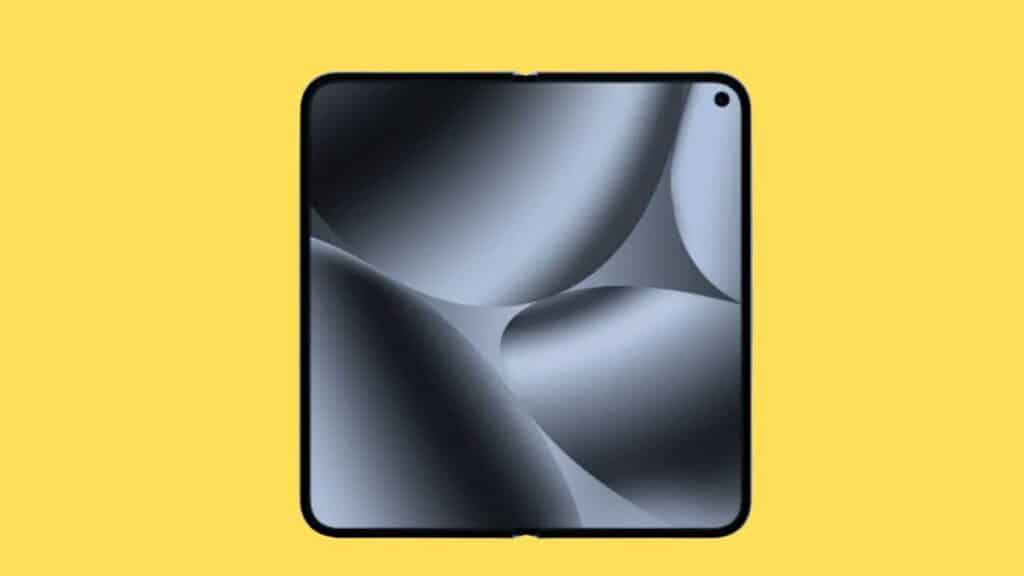
For many buyers, the camera system remains the deciding factor, and this is where Samsung’s two Fold models begin to separate themselves.
The standard Galaxy Z Fold 8 and the Google Pixel 10 Pro Fold are more evenly matched than you might expect. Neither is the standout camera phone in its own lineup.
| Camera | Galaxy Z Fold 8 | Galaxy Z Fold 8 Ultra | Google Pixel 10 Pro Fold |
|---|---|---|---|
| Main | 50MP | 200MP | 48MP |
| Ultra-wide | 50MP | 50MP | 10.5MP |
| Telephoto | — | 10MP (3x optical) | 10.8MP (5x optical) |
On paper, Google’s triple-camera setup appears to be the more versatile package. In real-world testing, however, reviewers have consistently pointed out shortcomings such as blown highlights, weaker low-light performance, and image quality that falls behind the standard Pixel 10 Pro.
The Galaxy Z Fold 8 Ultra is the model that truly raises Samsung’s camera ambitions.
Samsung describes it as offering:
“It has the best camera system in the Galaxy Z Series, with a 200 MP Wide Camera and upgraded 50 MP Ultra Wide camera.”
That’s a significant step up in hardware and the clearest justification for the Ultra’s additional $200 price tag.
If camera quality is one of your biggest priorities and you’re committed to Samsung’s foldable lineup, the Galaxy Z Fold 8 Ultra is the obvious choice. The standard Fold 8 simply isn’t designed to compete at the same level.
Galaxy Z Fold 8, Fold 8 Ultra vs Pixel 10 Pro Fold: Performance and Software
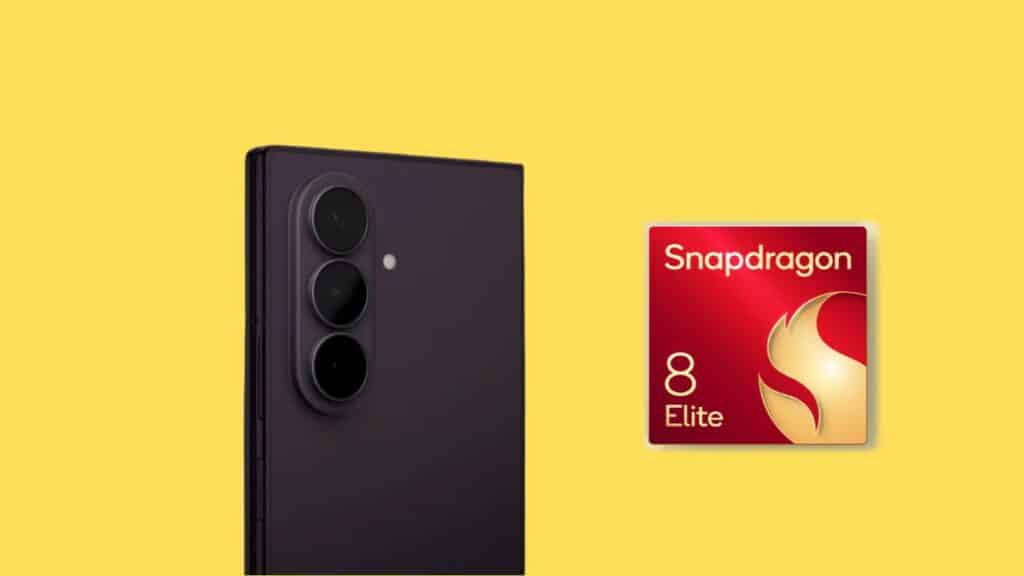
Camera hardware is only part of the imaging experience, and much of it depends on the processor behind the scenes.
Both Samsung foldables are powered by the Snapdragon 8 Elite Gen 5 for Galaxy, Qualcomm’s latest flagship chipset built on a 3nm process. It should comfortably outperform Google’s Tensor G5, an area many reviewers already identified as one of the Pixel 10 Pro Fold’s weaker points.
That doesn’t necessarily make Google’s approach the wrong one.
Tensor has never been designed to win benchmark charts. Instead, Google focuses on AI-powered features such as Now Playing, Magic Editor, Call Screening, and other on-device experiences that continue to differentiate Pixel phones.
Samsung counters with its own AI-focused software experience.
Running One UI 9 on Android 17, both Galaxy Z Fold 8 models introduce several productivity-focused features, including:
- Now Nudge, an agentic assistant designed to anticipate multitasking needs.
- Gemini Notebook, which helps organize meetings, notes, and research.
- Enhanced multi-window tools built specifically for Samsung’s larger foldable displays.
When it comes to long-term software support, neither company has an advantage.
Both Samsung and Google promise seven years of Android OS upgrades and security updates, making this category less about longevity and more about which software ecosystem you prefer.
Galaxy Z Fold 8, Fold 8 Ultra vs Pixel 10 Pro Fold: Battery Life and Charging
Raw performance doesn’t matter much if your phone struggles to make it through the day.
The standard Galaxy Z Fold 8 includes a 4,800mAh battery paired with 45W wired charging, allowing it to reach approximately 63% in 30 minutes.
The Galaxy Z Fold 8 Ultra increases capacity slightly to 5,000mAh while adopting a newer silicon-carbon battery, reaching roughly 67% during the same charging period.
The Pixel 10 Pro Fold actually offers the largest battery on paper at 5,015mAh, but it charges noticeably slower.
Google rates it at 30W wired charging, reaching about 50% in 30 minutes, with a full recharge taking close to 90 minutes under typical conditions.
In everyday use, the Pixel’s battery life remains strong enough to comfortably last a full day.
The bigger difference appears when you need a quick top-up before heading out. In those situations, Samsung’s faster charging speeds are much more convenient.
Who Should Buy the Galaxy Z Fold 8, Fold 8 Ultra or Pixel 10 Pro Fold?
Buy the Galaxy Z Fold 8 if you:
- Prefer a wider cover display for browsing and multitasking.
- Want the lightest foldable of the group at 201g.
- Value faster charging.
- Want Qualcomm’s latest flagship processor.
Buy the Galaxy Z Fold 8 Ultra if you:
- Want Samsung’s best foldable camera system.
- Prefer a more conventional smartphone experience when folded.
- Don’t mind paying an extra $200 for significantly better camera hardware.
- Prioritize multitasking on a larger 8-inch display.
Buy the Google Pixel 10 Pro Fold if you:
- Want IP68 water and dust resistance.
- Prefer Google’s AI-first software features.
- Already use the Pixel ecosystem.
- Don’t mind buying a phone that’s approaching the announcement of its successor.
Related: Best Pixel 10 Pro Fold Cases You Should Buy
Final Verdict
None of these devices is a bad foldable anymore, and that’s perhaps the biggest takeaway.
The category has matured to the point where you’re no longer choosing between innovation and compromise. Instead, you’re deciding which trade-offs matter most to you.
The Galaxy Z Fold 8 offers a lighter design, a wider cover display, and faster charging, making it an excellent choice for buyers who value everyday usability.
The Galaxy Z Fold 8 Ultra justifies its higher price with a dramatically stronger camera system, a larger display, and Samsung’s most ambitious foldable hardware to date.
Meanwhile, the Google Pixel 10 Pro Fold remains a compelling option thanks to its IP68 durability, Pixel-exclusive AI features, and refined software experience. The only hesitation is timing. With the Pixel 11 Pro Fold expected to be announced within weeks, buyers may want to wait and see what Google reveals before committing.
If you need a foldable today, both Samsung’s Galaxy Z Fold 8 lineup and Google’s Pixel 10 Pro Fold are strong choices. The right one ultimately comes down to whether you prioritize camera quality, charging speed, software experience, or durability.
Don’t miss these related reads: