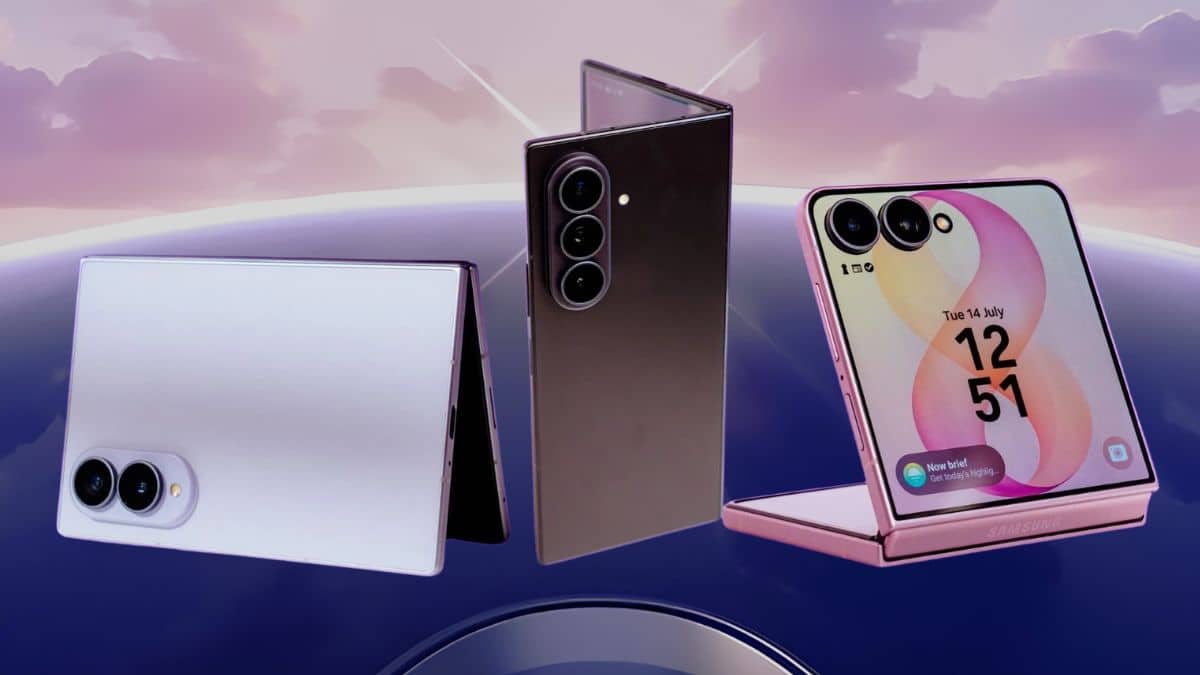
If you’ve ever tried replying to a message on the Galaxy Z Fold’s narrow cover screen and felt like you were typing on a strip of receipt paper, Samsung finally addressed that frustration at Galaxy Unpacked 2026.
This wasn’t a keynote built around flashy surprises. Instead, Samsung focused on fixing long-standing complaints about its foldables while quietly sidestepping one feature people have continued asking for.
Samsung unveiled six new devices: the Galaxy Z Fold8, Galaxy Z Fold8 Ultra, Galaxy Z Flip8, Galaxy Watch9, Galaxy Watch Ultra2, and its first pair of Galaxy Glasses. Here’s everything Samsung announced, what it costs, and what it means if you’re planning to upgrade this year.
Galaxy Unpacked 2026: Release Dates and Pricing
- Preorders: Opened July 22, 2026, the same day as the keynote.
- US release date: August 7, 2026 (other regions vary; Singapore, for instance, gets its stock August 14).
- Galaxy Z Fold8: Starts at $1,899.99 (256GB), $2,099.99 for 512GB, up to $2,499.99 for 1TB with 16GB of RAM.
- Galaxy Z Fold8 Ultra: Starts at $2,099.99 (256GB), $2,299.99 for 512GB, up to $2,699.99 for 1TB.
- Galaxy Z Flip8: Starts at $1,199.99 (256GB), $1,399.99 for 512GB.
- Galaxy Watch9: $379.99 for Bluetooth, $429.99 for LTE.
- Galaxy Watch Ultra2: $699.99.
- Samsung Galaxy Glasses: No confirmed price yet, and won’t ship until fall.
Samsung is also offering trade-in credit worth up to $1,200 toward a Fold and $600 toward a Flip, along with a six-month Google AI Pro trial that includes 5TB of cloud storage for anyone who preorders.
One thing worth noting is that every device announced this year costs more than its predecessor. That’s not simply a Samsung decision, though—there’s a broader reason behind the price increase, which we’ll get to later.
Samsung Splits the Galaxy Z Fold Line Into Two Models
This is arguably the biggest announcement from Galaxy Unpacked 2026.
For years, the Galaxy Z Fold followed one formula: a narrow cover display wrapped around a large square-like inner screen. Many users found the outer display too cramped for comfortable one-handed use, while power users wanted an even larger display for productivity.
Rather than forcing one design to satisfy everyone, Samsung has finally split the Fold lineup into two distinct models.
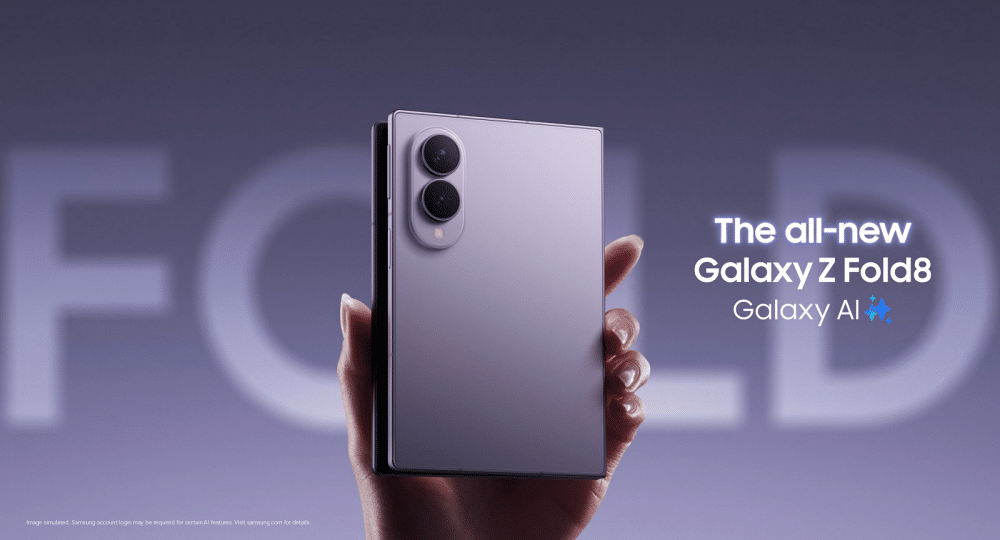
The Galaxy Z Fold8 keeps things impressively thin and light at 201 grams, making it the lightest Fold Samsung has ever produced. It features a 5.5-inch cover display paired with a 7.6-inch inner display.
The most interesting change isn’t the size—it’s the aspect ratio. When unfolded, the display uses a 4:3 ratio, making it noticeably better for watching videos, gaming, and multitasking than previous generations. Rotate the phone, and the same display shifts into a 3:4 layout that’s much more comfortable for reading e-books or browsing the web. Meanwhile, the cover display adopts a tall 10:16 ratio that’s better suited for one-handed scrolling through social media or replying to quick messages.
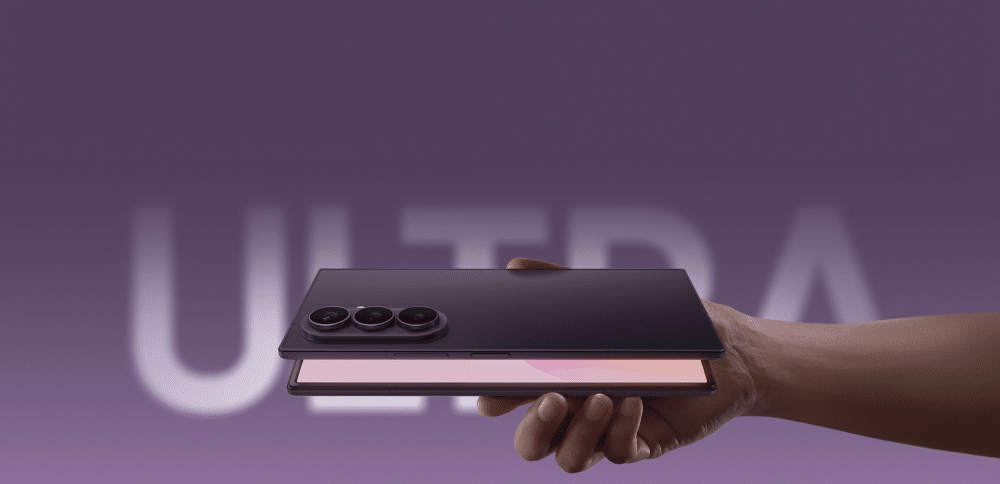
The Galaxy Z Fold8 Ultra heads in the opposite direction.
It’s effectively the successor to last year’s standard Galaxy Z Fold7, but pushed even further. It features a massive 8-inch main display inside a chassis measuring just 4.1mm thick when unfolded while weighing 215 grams.
That thinness is the real engineering achievement here. Samsung credits it to Flex Titanium, a redesigned hinge and display tension system that reduces the visibility of the crease while making the folding action feel smoother than previous generations.
Under the hood, both phones run on the Snapdragon 8 Elite Gen 5 for Galaxy.
The standard Fold8 packs a 4,800mAh battery, which Samsung says delivers more than 26 hours of video playback.
The Fold8 Ultra upgrades to a 5,000mAh battery, a 200MP primary camera, a 50MP ultra-wide camera, and a 10MP telephoto lens with 3x optical zoom—hardware the standard Fold8 doesn’t include.
Which Galaxy Z Fold8 Should You Buy?
If photography is your priority and you want the biggest book-style foldable Samsung has ever made, the Galaxy Z Fold8 Ultra is the obvious choice.
If you simply want the lightest, thinnest Fold Samsung has produced without paying extra for flagship camera hardware, the standard Galaxy Z Fold8 is the better buy.
Galaxy Z Flip8: What’s New?
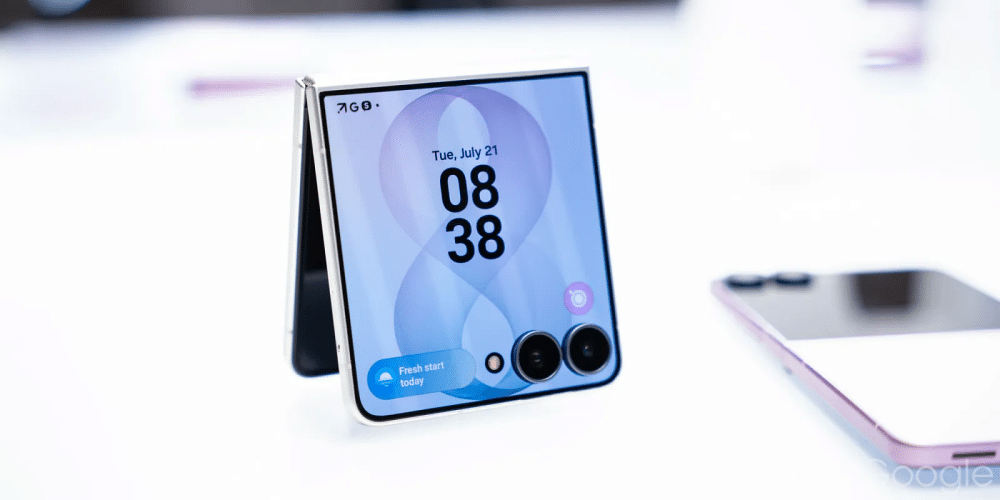
The Galaxy Z Flip8 isn’t a dramatic redesign—and that’s perfectly fine because the clamshell foldable didn’t need reinventing.
Instead, Samsung focused on durability and improving what you can actually do without opening the phone.
The company rebuilt the hinge using a stronger high-strength material, yet the phone still measures just 6.1mm thick when unfolded and weighs 180 grams.
The biggest day-to-day improvement is the FlexWindow.
A new feature called Now Brief surfaces weather, calendar events, notifications, exchange rates, and stock updates as glanceable cards without requiring you to unlock the phone.
Samsung has also expanded what you can do directly on the outer display. You can browse your photo gallery, read messages, and complete smaller tasks without flipping the phone open.
For anyone who’s ever unfolded a Flip just to dismiss a notification, this is the kind of upgrade you’ll appreciate from the very first day.
Camera improvements continue to reinforce the Flip’s position as Samsung’s vlogging phone.
Camcorder Grip adds more comfortable one-handed stabilization.
Super Steady now includes a horizontal lock that keeps footage level even when your hand isn’t.
Samsung has also introduced Dual Recording, allowing both the creator and the subject to remain on camera simultaneously while showing a live preview directly on the FlexWindow during recording.
Why the Galaxy Z Fold8 Still Doesn’t Support the S Pen
One question Samsung finally addressed directly was the missing S Pen. Neither the Galaxy Z Fold8 nor the Galaxy Z Fold8 Ultra supports Samsung’s stylus. Again.
Samsung dropped S Pen support from the Fold lineup a few generations ago in favor of making the phones thinner and lighter, but the requests for its return haven’t slowed down.
This year, Samsung finally acknowledged the issue publicly. HS Moon, an Executive Vice President at Samsung, said the company is “exploring and considering various more innovative technologies that incorporate a digitizer and S Pen in an even slimmer form factor.”
In other words, Samsung knows people want the S Pen back. The problem isn’t a lack of interest—it’s fitting the required digitizer layer into hardware that’s already pushing the limits of thinness.
If S Pen support is the deciding factor for you, this probably isn’t the Fold generation you’ve been waiting for. And based on Samsung’s comments, it’s still unclear whether it’ll return next year.
Galaxy Watch9 and Watch Ultra2: What’s New?
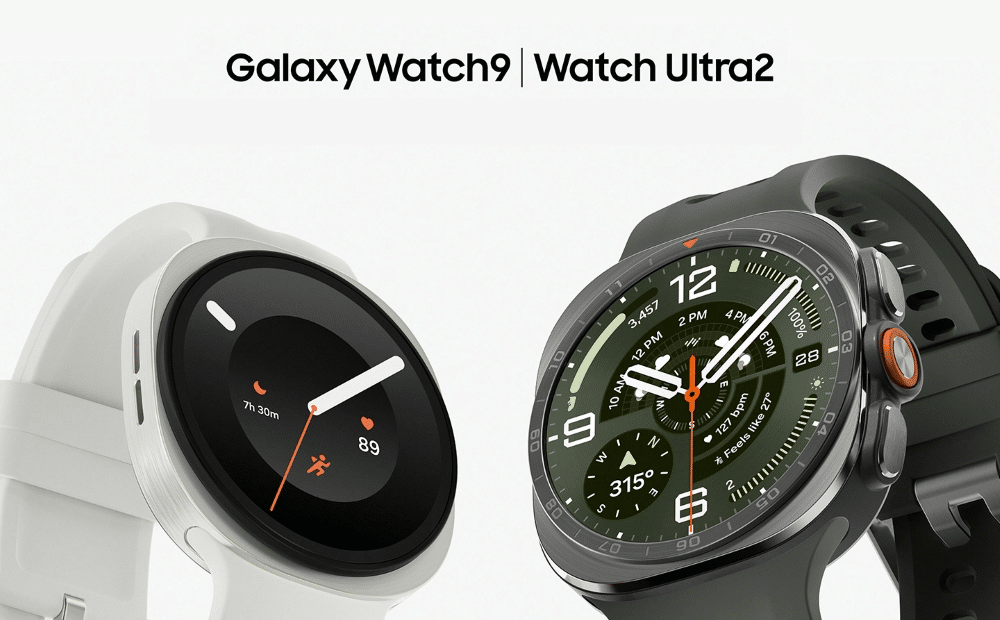
The Galaxy Watch announcements received less stage time than the foldables, but they may represent Samsung’s biggest long-term hardware change.
For the first time, both the Galaxy Watch9 and Galaxy Watch Ultra2 run on Qualcomm’s Snapdragon Wear Elite platform instead of Samsung’s own Exynos W-series chips.
That’s more than a routine specification update. It signals a meaningful shift in Samsung’s wearable strategy and should translate into faster on-device AI performance and improved battery efficiency.
The Galaxy Watch Ultra2 packs an 800mAh battery, a 35% increase over its predecessor, with Samsung rating it for up to 60 hours of use while Always-On Display remains enabled.
Its display also reaches 5,000 nits of peak brightness, which Samsung says makes it the brightest smartwatch display currently available.
The Ultra2 also gains something genuinely new: certified dive computer functionality that meets the EN13319 diving standard.
Built in partnership with Mares, it adds:
- No-decompression-limit guidance
- Nitrogen absorption monitoring
- Adjustable gradient factors
Samsung says these advanced diving features will remain exclusive to the Watch Ultra2 for at least the next two years.
The standard Galaxy Watch9 arrives in 40mm and 44mm sizes, featuring 390mAh and 445mAh batteries, respectively. Samsung rates both for up to 30 hours of use with Always-On Display enabled.
Health tracking continues to be one of Samsung’s biggest strengths.
Both watches include:
- FDA-cleared Sleep Apnea Detection
- Heart Health Score
- Daily Cardio Load
- Fitness Index
- Hearing alerts for unsafe ambient noise
None of these are flashy keynote features. Instead, they build on years of health-focused development, and Sleep Apnea Detection remains one of Samsung’s most genuinely useful wellness features for people who may not realize they have a sleep disorder.
Samsung Galaxy Glasses: What We Know So Far
Samsung also offered its first real look at Samsung Galaxy Glasses.
It’s important to think of these as a preview rather than a full product launch.
Samsung hasn’t announced pricing yet and only committed to availability later this fall in select markets, roughly three months after Galaxy Unpacked.
Here’s what we know so far.
The glasses don’t include displays inside the lenses. Instead, they’re built around:
- Qualcomm Snapdragon AR1
- Front-facing camera
- LED recording indicator
- Nine-hour battery life
- Charging case capable of more than seven additional charges
Gemini powers the AI experience, enabling:
- Live translation
- Message summaries
- Visual sharing during calls
Samsung also partnered with Gentle Monster and Warby Parker, making it clear that appearance matters just as much as technology.
Google confirmed that Galaxy Glasses will work with both Android phones and iPhones, rather than being limited to Samsung devices.
If you expected Samsung to compete directly with Meta’s Ray-Ban smart glasses immediately, this isn’t that product.
Instead, Galaxy Glasses feel like Samsung establishing a foothold in the category while preparing for something bigger.
Reports already point toward a second-generation model, codenamed Haean, featuring a micro-LED display in 2027.
Other Galaxy Unpacked 2026 Announcements
Beyond the new hardware, Samsung introduced several AI-powered features across its ecosystem.
- Gemini Notebook comes preinstalled on every new Galaxy foldable, turning PDFs, meeting recordings, and notes into summaries, presentation slides, or even podcast-style recaps.
- Now Nudge learns how you multitask and automatically suggests Multi Window when it predicts you’ll need two apps side by side.
- My FanCam uses AI to keep a selected subject centered in the frame, making it easier to record recitals, concerts, or sporting events without constantly adjusting the camera.
- Agentic AI can complete limited tasks on your behalf. Samsung demonstrated booking a nearby hotel using a photo’s location information while you continued doing something else.
- Every new device ships with Android 17 and One UI 9 (or One UI 9 Watch on wearables running Wear OS 7). Samsung is once again promising seven years of Android OS and security updates, extending support through 2033.
Why Samsung’s 2026 Devices Cost More
The higher prices deserve more context than simply listing the numbers.
Every device announced this year costs more than its 2025 counterpart, and Samsung says the increase comes largely from an industry-wide memory chip shortage rather than decisions specific to its own products.
AI data centers continue consuming a growing share of global memory production, tightening supplies of the same mobile DRAM used in premium smartphones.
Industry analysts don’t expect memory prices to stabilize before late 2027, meaning higher flagship prices may become the norm—not just for Samsung, but across the smartphone industry, including Apple’s upcoming iPhone lineup.
If you’re planning to preorder, Samsung is offering purchases through Samsung.com, the Shop Samsung app, Samsung Experience Stores, and major retailers and carriers including Amazon, Best Buy, AT&T, T-Mobile, and Verizon.
Eligible trade-ins can significantly reduce the purchase price, while buyers who skip trade-ins can receive up to $200 in Samsung Credit instead.
Final Thoughts
The biggest takeaway from Galaxy Unpacked 2026 isn’t a single specification or flashy AI demo.
It’s Samsung finally recognizing that one Galaxy Z Fold couldn’t satisfy every kind of foldable buyer and responding by creating two genuinely different devices instead of asking one design to do everything.
The Galaxy Z Fold8 focuses on becoming lighter and easier to live with, while the Galaxy Z Fold8 Ultra pushes the category further with a larger display, better cameras, and more premium hardware.
Meanwhile, the Galaxy Watch9 and Watch Ultra2 quietly introduce one of Samsung’s biggest wearable platform changes in years, and Galaxy Glasses show where the company’s AI ambitions are headed, even if the product itself still feels like an early first step.
None of these announcements are flashy simply for the sake of being flashy. Most of them solve long-standing problems Galaxy users have pointed out for years, making Galaxy Unpacked 2026 feel less like a showcase of experimental ideas and more like Samsung refining its ecosystem where it matters most.