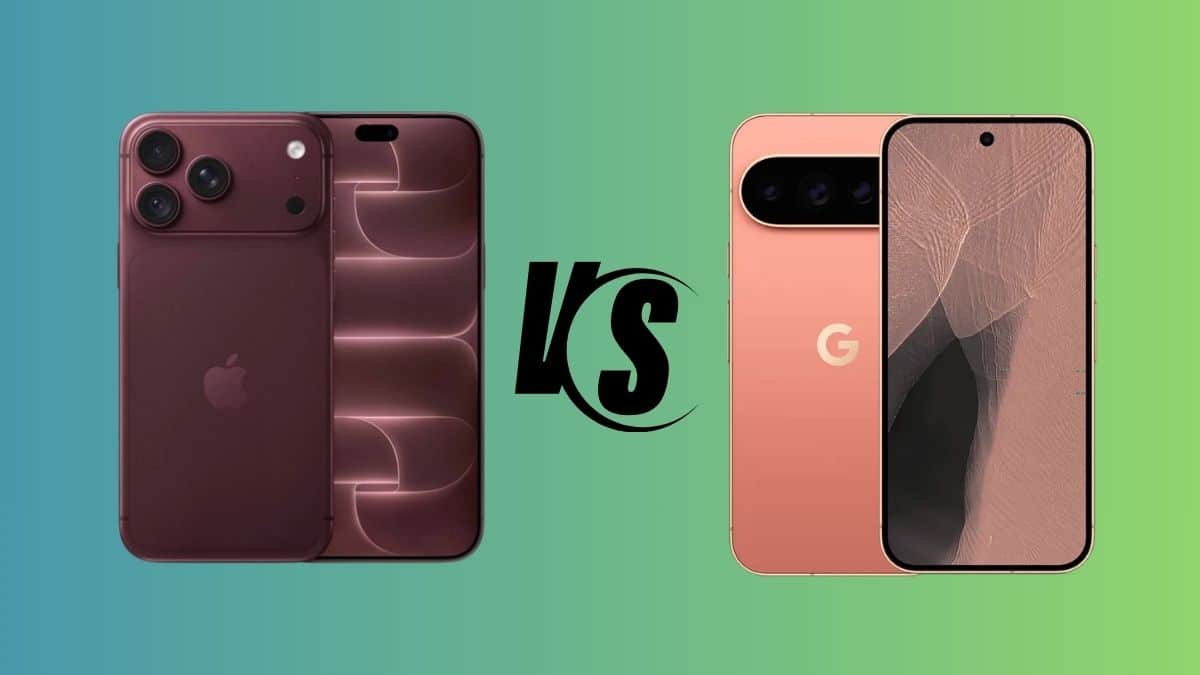
You’re holding two phones that look almost identical on paper. Same 6.3-inch OLED, same 120Hz refresh rate, same IP68 rating, and both cost $100 more than last year. The real differences sit in the fine print, and a few of Apple’s spec-sheet phrases don’t mean what you’d assume.
Google announced the Pixel 11 Pro on August 12, 2026, and shipped it on August 20. Apple announced the iPhone 18 Pro on September 9, opened pre-orders on September 12, and started sales on September 18.
Here’s where each phone wins, where the numbers mislead, and who should buy which.
How Do the iPhone 18 Pro and Pixel 11 Pro Compare at a Glance?
| iPhone 18 Pro | Pixel 11 Pro | |
|---|---|---|
| US starting price | $1,199 (256GB) | $1,099 (256GB) |
| India price (256GB) | ₹1,64,900 | ₹1,19,999 |
| Chip | A20 Pro (2nm) | Tensor G6 |
| Display | 6.3-inch OLED, 2622 x 1206, 3,000 nits peak outdoor | 6.3-inch LTPO OLED, 2856 x 1280, 3,600 nits peak |
| Main camera | 48MP, variable aperture f/1.48 to f/4 | 50MP, fixed f/1.68 |
| Telephoto | 48MP, 4x native, 8x crop | 48MP, 5x native with OIS |
| Battery rating | Up to 24 hours typical | 30+ hours typical (4,850 mAh) |
| Wired charging | 50% in about 15 minutes (60W adapter) | 55% in about 30 minutes (30W+ charger) |
| Wireless charging | Up to 25W (MagSafe/Qi2) | Up to 25W (Qi2.2) |
| Storage | 256GB to 2TB | 256GB to 1TB |
| Weight | 211g | 204g |
| OS support | iOS 27, no stated end date | Android 17, 7 years |
Numbers alone won’t settle this. The sections below cover the ones that change your daily experience.
Which Camera Wins: Apple’s Variable Aperture or Google’s Longer Zoom?
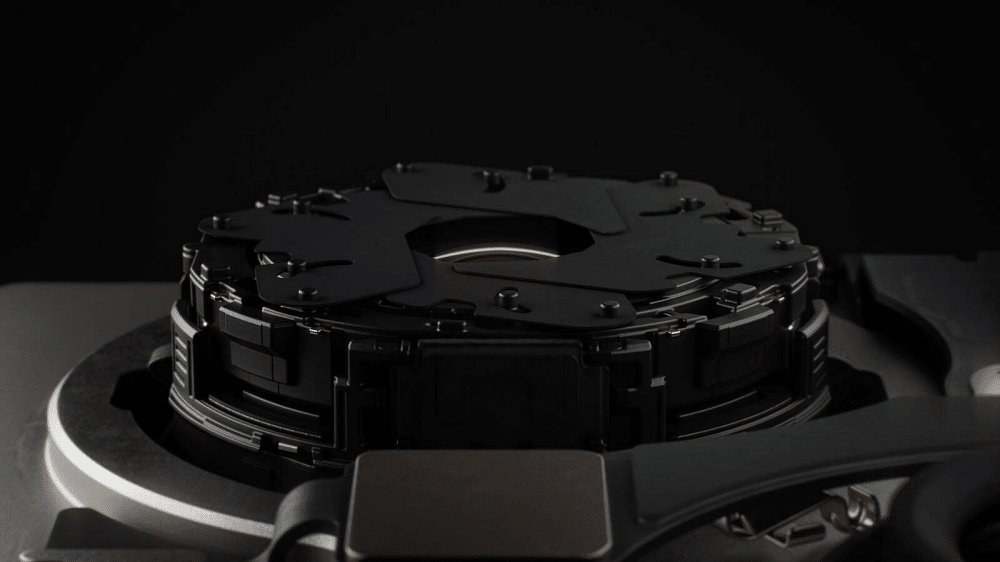
Picture yourself at the back of a concert hall, phone raised. This is where the two telephoto designs part ways.
The Pixel 11 Pro packs a native 5x telephoto lens with optical stabilization and a 48MP sensor. The iPhone 18 Pro has a native 4x telephoto (100mm, f/2.8, 48MP). Apple’s headline “8x optical-quality zoom” is a 12MP crop from that same sensor. It stays sharp, but it isn’t a longer lens. Google stretches further with Pro Res Zoom, which now reaches 120x.
Apple’s real camera advantage is the main lens. Six laser-cut blades shift the aperture between four stops (f/1.48, f/1.8, f/2.8, f/4), so you control depth of field and light intake in a way no fixed-aperture Pixel can. Add manual shutter speed, white balance, and a histogram, and the iPhone rewards people who like to shoot deliberately.
Google bets on automation. Instant Night Sight runs faster on Tensor G6 (Google says 4.5x faster on Pro models), and Magic Capture grabs high-resolution stills while you record video. Engadget’s comparison notes Google’s results can look “suspiciously well-groomed,” a fair warning if you prefer natural contrast.
The pick: choose the iPhone for control and video, the Pixel for reach and point-and-shoot reliability.
Which Phone Lasts Longer on a Charge?
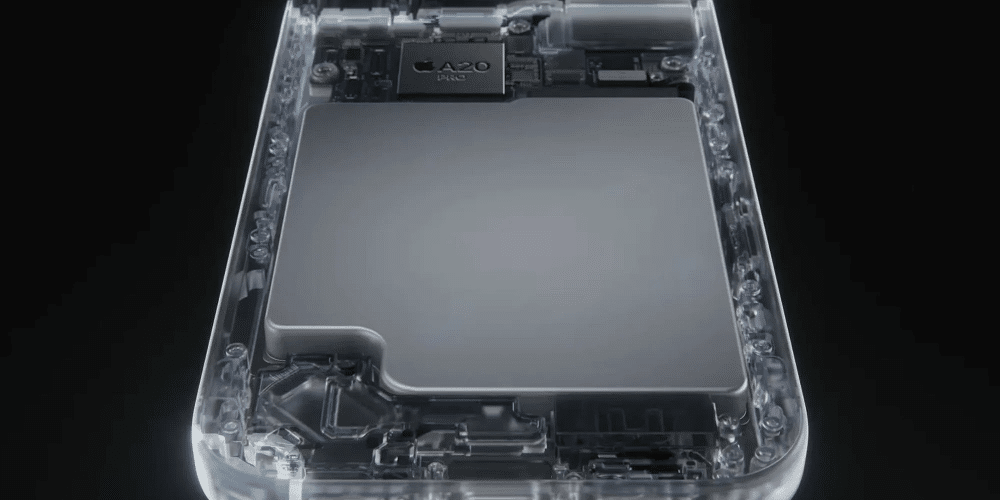
The Pixel 11 Pro carries a 4,850 mAh battery and Google rates it at 30+ hours. Apple rates the iPhone 18 Pro at up to 24 hours of typical use (36 hours of video playback on eSIM-only models). Apple doesn’t publish battery capacity.
Compare the “typical use” figures, not the video number, because Google doesn’t quote video hours. On that basis the Pixel leads by about six hours.
Charging flips the story. Apple claims 50% in about 15 minutes, but only with a 60W adapter. Google claims 55% in about 30 minutes with a 30W+ charger, and Google doesn’t include one in the box. Factor in a charger purchase either way.
How Big Is the Performance Gap Between A20 Pro and Tensor G6?
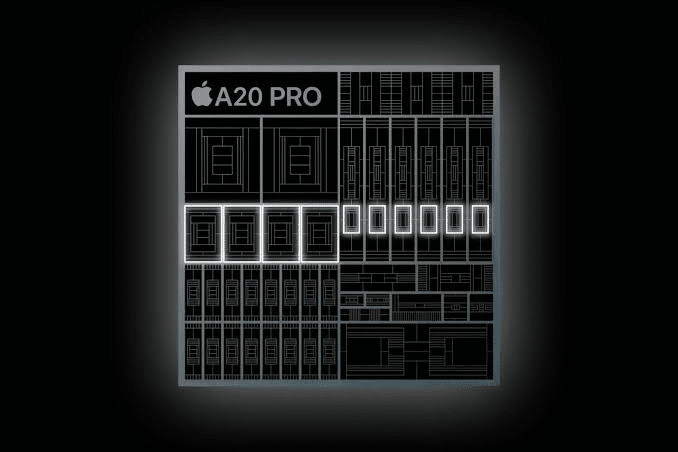
Large, and measurable. Apple’s A20 Pro uses a 2nm process, a 6-core CPU, and a 7-core GPU that Apple says runs up to 40% faster than A19 Pro. A vapor chamber with three times the surface area of last year’s keeps it from throttling. AppleInsider cites Geekbench multi-core scores of 11,469 for the iPhone versus 6,836 for the Pixel, roughly a 68% gap. Treat that as one outlet’s figure until more independent testing lands.
Tensor G6 targets AI work instead. Google claims 25% faster web browsing, 15% faster app launches, and 50% more TPU compute than G5, which it says makes on-device Gemini Nano tasks up to 3.5x faster. Reports say TSMC’s 2nm process, but Google hasn’t named its node. Our Tensor G6 breakdown covers the details.
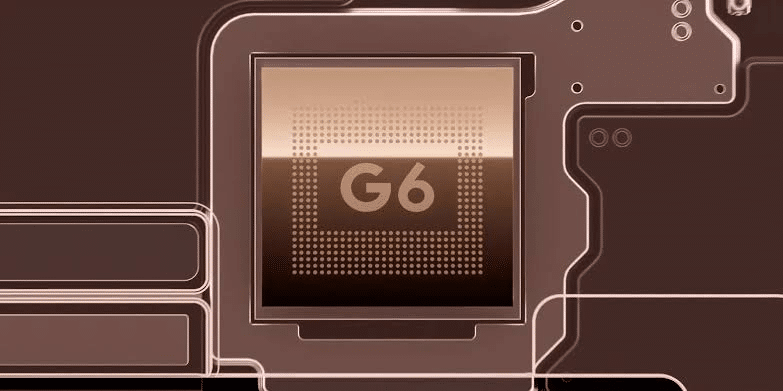
Worth knowing: scrolling, messaging, and browsing won’t expose that gap. Long gaming sessions and video exports will.
Is Siri AI or Gemini the More Useful Assistant Today?
Both assistants take a different route to being “personal.”
iOS 27 landed on September 14 with a rebuilt Siri. It remembers context across follow-up questions, searches your Messages, Mail, Photos, and Notes, and reads what’s on screen to act on it. The catch: it needs an iPhone 15 Pro or newer, it launched in English only, and it isn’t available on iPhones in the European Union. Apple says French, Japanese, Korean, Portuguese, and Spanish arrive in October. Engadget also reports daily usage limits during the beta. Our iOS 27 Siri guide explains what works today.
Pixel 11 Pro runs Gemini Intelligence across the system. Circle to Search now works from the camera viewfinder, Rambler cleans up spoken dictation, and Live Translate handles real-time audio and video. A new HiLight LED on the back shows when Gemini is listening, thinking, or answering. See the full Gemini Intelligence feature list for what else ships.
Google’s tools are broader and ready now. Apple’s Siri is more personal but still in beta.
Is the Pixel 11 Pro Really $100 Cheaper?
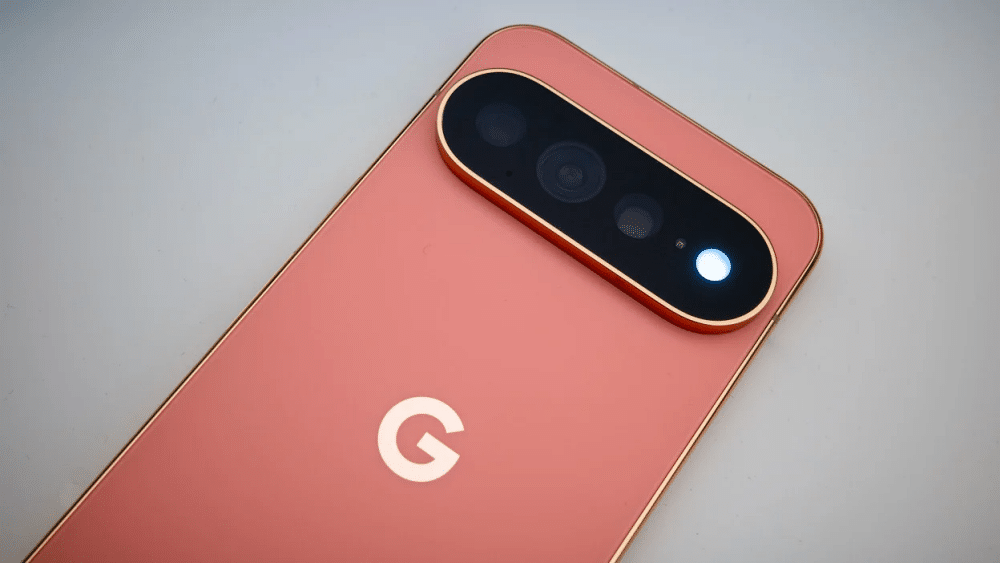
In the US, yes: $1,099 against $1,199. In India, the gap is bigger and grows with storage.
At 256GB, the iPhone 18 Pro costs ₹1,64,900 and the Pixel 11 Pro ₹1,19,999, a difference of ₹44,901. At 512GB, the iPhone is ₹1,89,900 and the Pixel ₹1,34,999, which widens the gap to ₹54,901. Apple charges ₹25,000 for that storage step. Google charges ₹15,000, and its 512GB model also jumps to 16GB of RAM. (Pixel India prices come from a retailer listing on 91mobiles, so they can move with offers.)
Support length adds to the value case. Google promises seven years of Android OS, security, and Pixel Drop updates. Apple doesn’t publish a fixed number, though iPhones have historically received updates for around six or more years. The iPhone’s counter is capacity: it’s the only one offering 2TB.
Who Should Buy the iPhone 18 Pro, and Who Should Pick the Pixel 11 Pro?
- Buy the iPhone 18 Pro if you shoot video, play demanding games, or already own a Mac, Apple Watch, or AirPods. The variable aperture, faster chip, and 2TB option matter most to you.
- Buy the Pixel 11 Pro if you want longer battery life, a 5x native telephoto, seven years of updates, and a lower price. Google’s AI features work today, not in a beta.
- Skip both if you own last year’s Pro model. Neither jump is big enough to justify a $1,100+ upgrade for most people.
Your ecosystem still decides more than any spec above. Moving between iOS and Android costs you apps, accessories, and habits, and neither phone is good enough to make that pay off by itself.
Already picked the iPhone? Protect it with our list of the best iPhone 18 Pro screen protectors. Want the full Pixel picture first? Read our Pixel 11 series price and features guide.
Final Thoughts
The iPhone 18 Pro is the faster, more controllable camera phone. The Pixel 11 Pro is the cheaper, longer-lasting, longer-supported one, with AI features that work today. Pick the iPhone if you want power and shooting control, and pick the Pixel if you want value and staying power. Which one are you leaning toward?