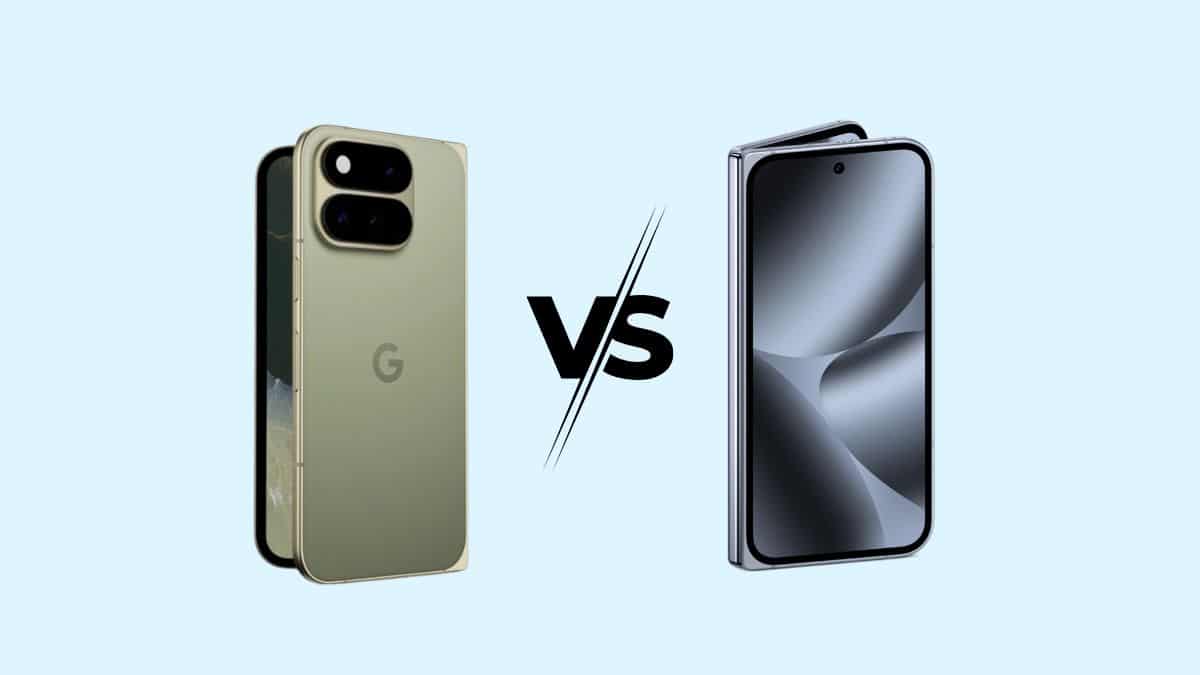
If you’ve been carrying the Pixel 10 Pro Fold since last year and felt its 258 grams in your pocket every day, Google finally addressed the biggest complaint. The Pixel 11 Pro Fold arrived on August 12, 2026, at the Made by Google event in New York City, and its biggest improvement is not a flashy new feature. It is a lighter, stronger foldable design.
This is not a complete redesign. Google kept the same core formula: an 8-inch inner display, Tensor-powered performance, three rear cameras, and a book-style folding design. Instead, the company focused on refining the experience with a lighter body, improved durability, brighter displays, and new AI features.
That makes this upgrade more interesting than a simple spec comparison. The Pixel 11 Pro Fold fixes some of the Pixel 10 Pro Fold’s biggest weaknesses, but it also keeps several areas unchanged.
Here’s everything that changed between the two Pixel foldables, what stayed the same, and whether the Pixel 11 Pro Fold is worth the higher price.
Pixel 11 Pro Fold vs Pixel 10 Pro Fold: Quick Comparison
| Feature | Pixel 11 Pro Fold | Pixel 10 Pro Fold |
|---|---|---|
| Launch date | August 20, 2026 | October 9, 2025 |
| Starting price | $1,899 | $1,799 |
| Processor | Tensor G6 | Tensor G5 |
| Security chip | Titan M3 | Titan M2 |
| RAM | 16GB | 16GB |
| Storage | 256GB, 512GB, 1TB | 256GB, 512GB, 1TB |
| Inner display | 8-inch OLED, up to 3,600 nits | 8-inch OLED, up to 3,000 nits |
| Cover display | 6.5-inch | 6.4-inch |
| Main camera | 48MP | 48MP |
| Ultrawide camera | 10.5MP | 10.5MP |
| Telephoto camera | 10.8MP 5x zoom | 10.8MP 5x zoom |
| Battery | 4,806mAh | 5,015mAh |
| Wired charging | 30W | 30W |
| Wireless charging | 25W Qi2.2 | 15W Qi2 |
| Weight | 239g | 258g |
| Folded thickness | 10.1mm | 10.8mm |
| Software | Android 17 | Android 16 |
Price and Availability: The New Fold Costs More
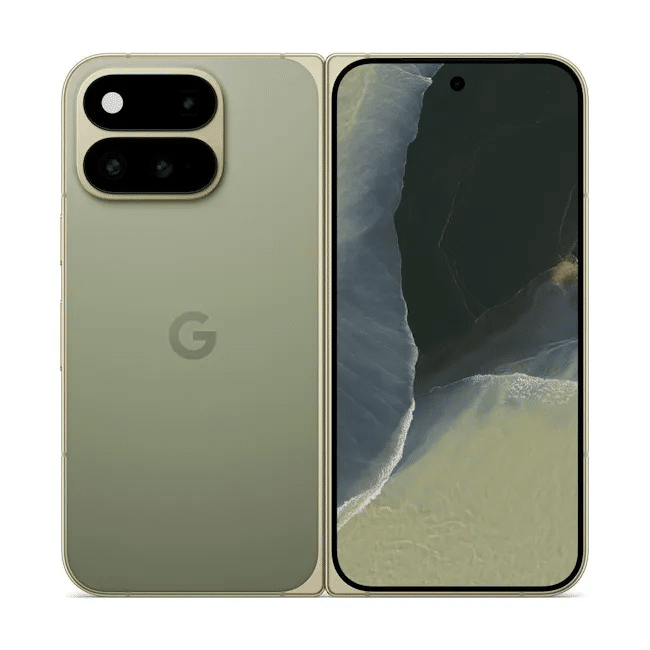
The Pixel 11 Pro Fold starts at $1,899 for the 256GB model, which is $100 more than the Pixel 10 Pro Fold’s launch price. Higher storage options include 512GB for $2,019 and 1TB for $2,249.
The phone is available for preorder now, with general availability starting August 20, 2026. It comes in Obsidian and Olive finishes.
The Pixel 10 Pro Fold launched at $1,799 for 256GB and originally arrived in Moonstone and Jade. However, with the newer model now available, retailers have started reducing prices on the older foldable. If you find a significant discount, the Pixel 10 Pro Fold becomes a much more interesting value option.
For a complete look at Google’s 2026 hardware lineup, including the Pixel 11 series and Pixel Watch 5, check out our Made by Google 2026 launch coverage.
Google Fixed the Pixel Fold’s Biggest Problem: Weight
The Pixel 10 Pro Fold was a capable foldable, but its weight was difficult to ignore. At 258 grams and 10.8mm thick when folded, it felt noticeably heavier compared with some competing foldables.
Google clearly focused on solving that issue with the Pixel 11 Pro Fold. The new model weighs 239 grams, making it around 10% lighter. The folded thickness also drops to 10.1mm, which may not sound like much on paper, but it makes a noticeable difference when carrying the phone in a pocket or using it one-handed.
The materials have changed as well. Google says the Pixel 11 Pro Fold uses a stronger front glass and a glass-fiber composite back panel designed to improve durability. The hinge has also been refined from the previous generation.
Google claims the new foldable is significantly more durable than its predecessor, but those claims still need independent testing. Real-world drop tests and long-term hinge testing will reveal how much of an improvement users actually get.
For anyone who avoided the Pixel Fold lineup because it felt too heavy, this is probably the most important upgrade.
The Displays Get Brighter and More Refined
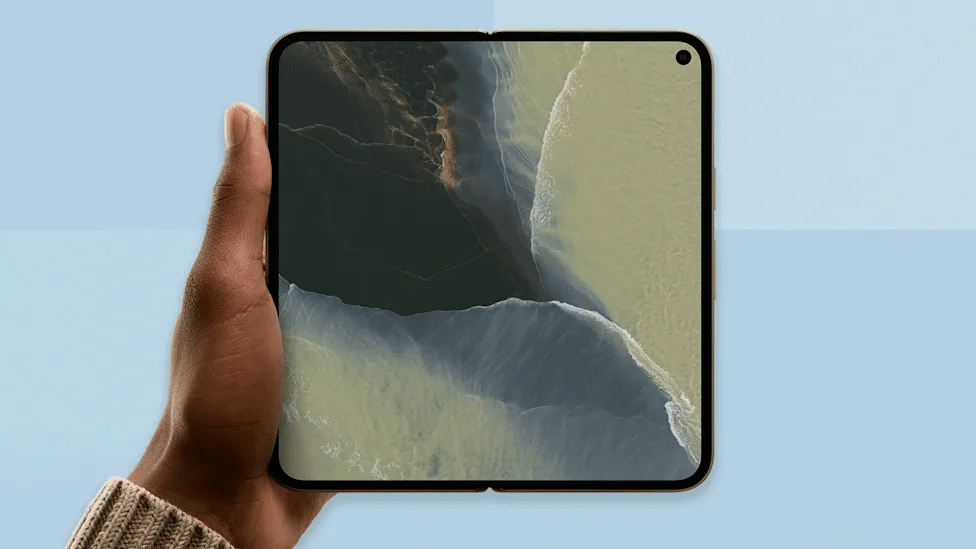
Both phones keep the same basic foldable layout: a large inner display and a smaller outer screen for quick tasks.
The Pixel 11 Pro Fold continues with an 8-inch inner display, but brightness improves significantly. The new model reaches up to 3,600 nits, compared with 3,000 nits on the Pixel 10 Pro Fold.
That difference matters most outdoors. Reading messages, checking maps, or using the phone under direct sunlight should feel easier on the newer model.
The outer display also gets slightly larger, increasing from 6.4 inches on the Pixel 10 Pro Fold to 6.5 inches on the Pixel 11 Pro Fold. It is a small change, but it gives you slightly more room for typing and everyday tasks without opening the phone.
Google has also adjusted the folding display design to reduce crease visibility. The improvement may not completely remove the crease, but it should make it less noticeable when viewing the screen at certain angles.
Tensor G6 vs Tensor G5: The Biggest Performance Change
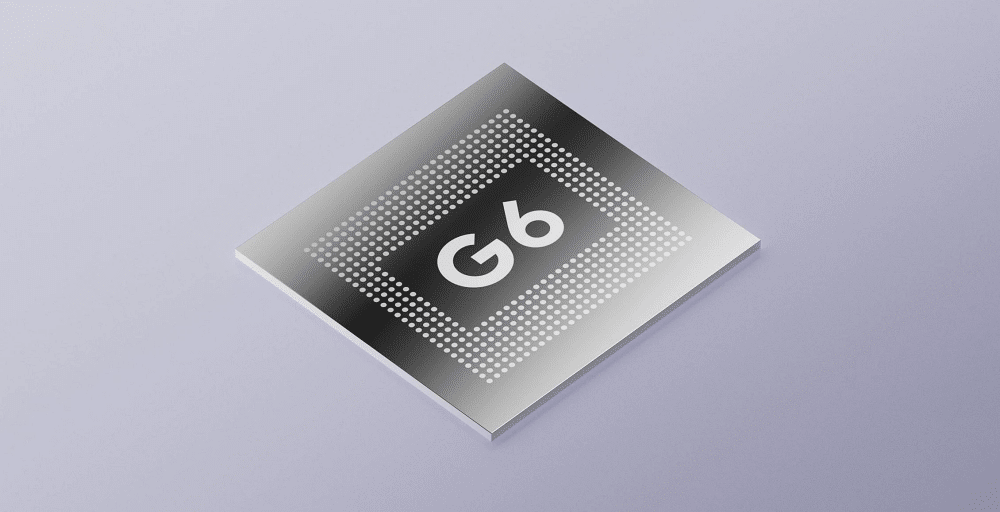
The Pixel 11 Pro Fold moves to Google’s new Tensor G6 chip, replacing the Tensor G5 found inside the Pixel 10 Pro Fold. The upgrade is less about chasing benchmark records and more about improving efficiency, AI performance, and everyday responsiveness.
The Tensor G6 is paired with the Titan M3 security chip, which adds newer security features and improved protection for sensitive data. Reports suggest the chip is built using TSMC’s 2nm process, although Google has not officially confirmed the manufacturing node in its own materials.
The Pixel 10 Pro Fold’s Tensor G5 was already a capable chip, but it struggled against flagship Snapdragon processors in areas like sustained gaming and heavy workloads. The Tensor G6 focuses more on on-device AI, with Google increasing TPU performance to improve Gemini features, image processing, and other AI-powered tasks.
Both phones keep the same memory and storage options:
- 16GB RAM
- 256GB, 512GB, and 1TB storage options
For everyday tasks like opening apps, multitasking, and using Google’s AI features, the Pixel 11 Pro Fold should feel faster and more efficient. However, if you’re buying mainly for gaming performance, the Tensor G6 still may not match the raw power of competing flagship chips.
Related: Google Tensor G6 vs Tensor G5: Biggest Upgrades and Differences
Camera Hardware Stays the Same, But Software Improves
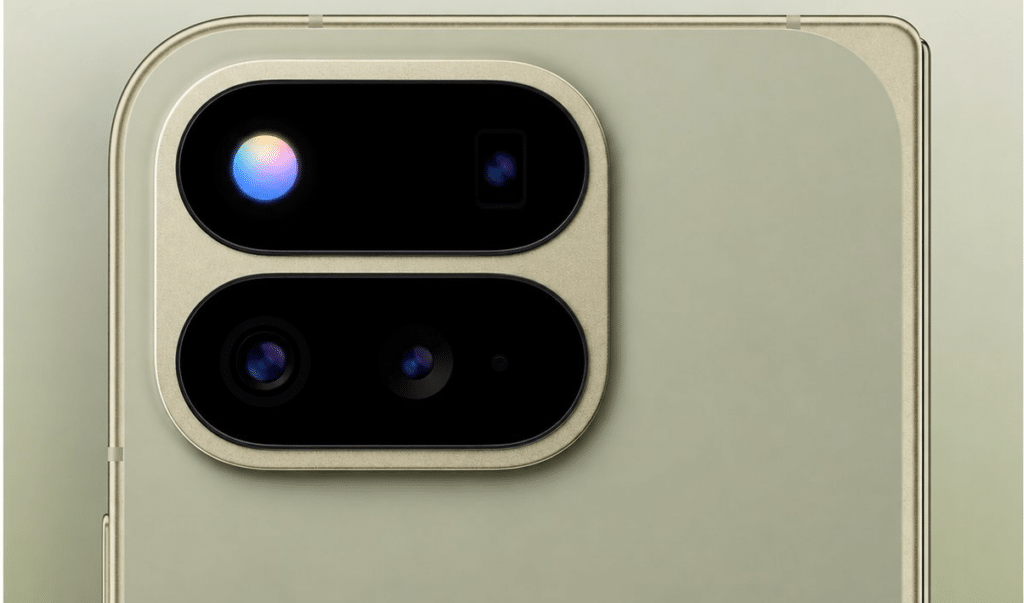
This is one of the more surprising areas of the comparison. The Pixel 11 Pro Fold does not introduce a completely new camera system.
Both foldables use:
- 48MP main camera
- 10.5MP ultrawide camera
- 10.8MP 5x telephoto camera
On paper, the hardware looks almost identical. However, Google is using Tensor G6 processing power and new AI tools to improve results.
The Pixel 11 Pro Fold increases Super Res Zoom capability from 20x to 30x, giving you more flexibility when shooting distant subjects. It also introduces Magic Capture, which automatically selects the best frame from a burst of photos.
This approach follows Google’s usual Pixel strategy: improve photography through computational processing instead of relying only on bigger camera sensors.
That said, the unchanged camera hardware is worth considering. If you expected a major camera upgrade over the Pixel 10 Pro Fold, this generation may feel less exciting. The improvements are mostly coming from software rather than new lenses or sensors.
Smaller Battery, Faster Wireless Charging
The Pixel 11 Pro Fold makes an interesting trade-off with battery capacity. The new foldable includes a 4,806mAh battery, which is smaller than the Pixel 10 Pro Fold’s 5,015mAh cell.
Usually, a smaller battery would suggest shorter battery life. However, Google is relying on Tensor G6 efficiency improvements to reduce power consumption and maintain similar real-world endurance.
Charging speeds remain unchanged for wired charging:
- 30W wired charging
- Around 50% charge in 30 minutes
The bigger improvement comes with wireless charging. The Pixel 11 Pro Fold upgrades from 15W Qi2 wireless charging to 25W Qi2.2 support.
That means users who rely on magnetic chargers or Pixelsnap accessories should see a noticeable improvement in charging convenience.
The battery downgrade may look concerning on paper, but the lighter design and improved efficiency suggest Google prioritized portability over maximum capacity.
Gemini Features Make the Pixel 11 Pro Fold More Useful
The Pixel 11 Pro Fold launches with Android 17 and pushes Google’s Gemini integration further than the previous model.
One of the most visible additions is HiLight, a small LED system built into the camera bar. It provides visual signals for notifications and Gemini interactions, allowing you to get information without unlocking the phone.
Google also added new accessibility features, including real-time American Sign Language to text translation. The feature uses the front camera and AI processing to recognize signs and convert them into readable text.
Other AI improvements include:
- New Camera Looks for customized photo styles
- Better Gemini-powered assistance
- Improved on-device AI processing
- Enhanced translation features
These features are not available on the Pixel 10 Pro Fold, making software one of the biggest differences between the two phones.
Google’s AI strategy is becoming a major part of the Pixel experience. If you want to understand how Gemini is changing Android, our Gemini features guide covers the biggest updates.
Connectivity and Small Hardware Improvements
Beyond the major upgrades, Google made several smaller improvements that improve daily use.
The Pixel 11 Pro Fold upgrades connectivity with:
- Wi-Fi 7 support
- Bluetooth 6
The Pixel 10 Pro Fold uses Wi-Fi 6E and Bluetooth 5.0, so the newer model should offer better future compatibility with newer accessories and networks.
Both phones maintain:
- IP68 water and dust resistance
- Seven years of software updates
That long update commitment means the Pixel 10 Pro Fold remains a strong long-term device, even after the new model launches.
If you’re currently using the Pixel 10 Pro Fold, these upgrades alone probably do not justify switching. But for first-time foldable buyers, the Pixel 11 Pro Fold offers a more refined overall package.
Pixel 11 Pro Fold vs Pixel 10 Pro Fold: Which One Should You Buy?
The answer depends on where you are coming from.
Upgrade to Pixel 11 Pro Fold if:
- You are buying your first Pixel Fold
- The Pixel 10 Pro Fold felt too heavy
- You want better durability
- You care about newer Gemini features
- You want faster wireless charging
The lighter design alone makes the Pixel 11 Pro Fold more comfortable for everyday use. Google addressed one of the biggest complaints about its previous foldable, making this generation a better fit for more users.
Keep the Pixel 10 Pro Fold if:
- You already own one
- You are happy with the camera performance
- You don’t need the latest AI features
- You find it at a significant discount
The Pixel 10 Pro Fold still offers the same foldable experience, similar camera hardware, the same RAM and storage options, and a larger battery.
With discounts becoming available, it could become a better value option for buyers who do not need the newest features.
Final Thoughts
The Pixel 11 Pro Fold is not a complete reinvention. Google focused on fixing the areas where the Pixel 10 Pro Fold needed the most improvement: weight, durability, display brightness, and AI features.
For new foldable buyers, it is the better choice. The lighter design and improved durability make it easier to recommend than the previous generation.
For Pixel 10 Pro Fold owners, the upgrade is harder to justify. The camera hardware remains mostly unchanged, the battery is smaller, and the overall foldable experience feels familiar.
The Pixel 11 Pro Fold is a smarter refinement, not a dramatic transformation. If you want the best Pixel foldable available today, choose the new model. If you already own last year’s Fold, waiting another generation may make more sense.