
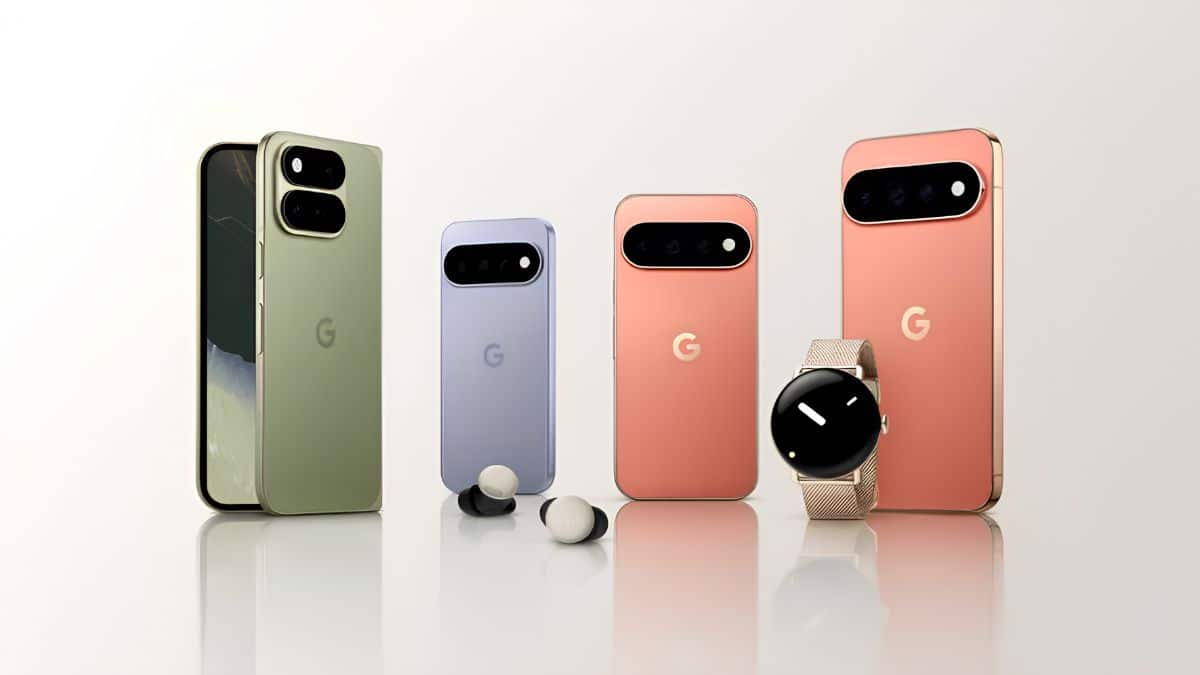
If you’ve spent the last few weeks scrolling through leaked renders and spec-sheet guesses, today’s the day all that speculation gets confirmed or falls apart. Google held its Made by Google 2026 event on Wednesday, August 12, and it was one of the busiest Pixel launches in years.
Google introduced four Pixel 11 phones, the Pixel Watch 5, its first Pixel Tag tracker, new Pixel Buds features, and a long list of Gemini Intelligence upgrades. Some leaks were right, while others missed the mark. Here’s everything Google actually announced at Made by Google 2026 and what matters if you’re considering an upgrade.
When Was Made by Google 2026?
Made by Google 2026 took place on August 12, 2026, with pre-orders for the new Pixel devices opening the same day. More importantly, Google has officially confirmed that the Pixel 11, Pixel 11 Pro, Pixel 11 Pro XL, and Pixel 11 Pro Fold will hit shelves on August 20, so there’s no longer any need to rely on leaked retail dates
The Pixel Watch 5 follows the same August 20 retail date, while the Stephen Curry Special Edition arrives September 3. Pixel Tag comes much later, launching on November 11.
Pixel 11, Pixel 11 Pro, and Pixel 11 Pro XL Get Major Camera Upgrades
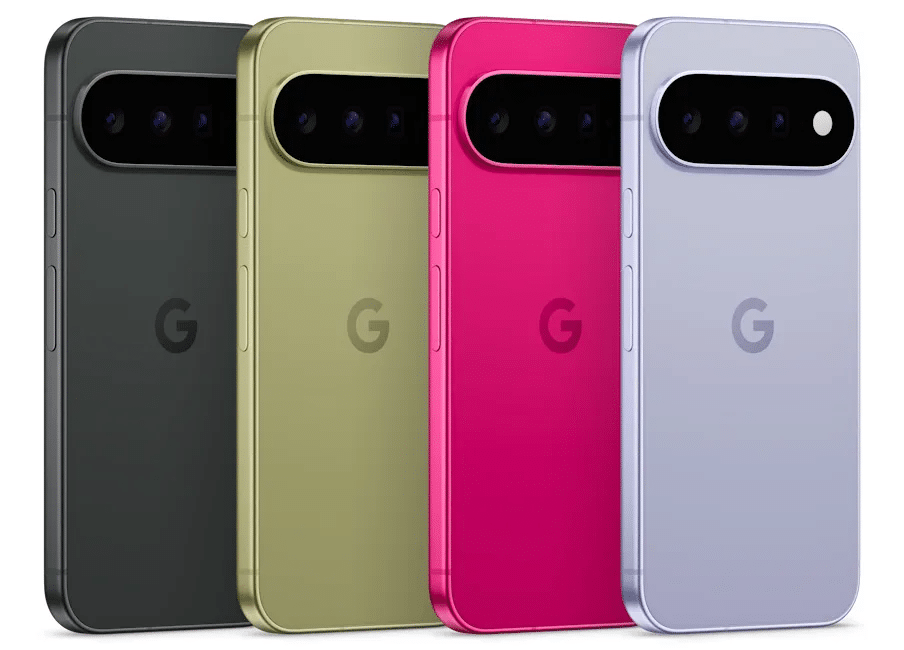
Google has made noticeable changes to the Pixel 11 series rather than settling for another minor refresh. The standard Pixel 11 gets a redesigned camera bar that’s 40% thinner than earlier base Pixel models, along with a new 48MP main sensor offering 56% greater light sensitivity.
The base Pixel 11 also keeps a 5x telephoto camera and supports up to 30x Super Zoom, so earlier rumors that Google might remove the zoom camera didn’t pan out. Storage now starts at 256GB across the Pixel 11, Pixel 11 Pro, and Pro XL, while Qi2.2 wireless charging reaches up to 25W on the Pixel 11 and Pixel 11 Pro.
The Pixel 11 comes in Frost, Obsidian, Hibiscus, and Pistachio and starts at $899, making it $100 more expensive than the Pixel 10 at launch.
The Pixel 11 Pro and Pro XL get one of the more unusual additions this year: HiLight. It’s a set of colored LEDs around the camera flash that can indicate what Gemini is doing when the phone is face down. Different patterns show when Gemini is listening, thinking, or responding, and you can assign colors to important contacts for incoming calls.
Camera upgrades include a new main sensor, an improved 48MP telephoto with 30% better light sensitivity, 5x Portrait Mode, and up to 120x Pro Zoom. Instant Night Sight can capture images up to 4.5 times faster, while the Super Actua displays on both Pro models now reach 3,600 nits and offer more than twice the scratch resistance of the previous generation.
The Pixel 11 Pro starts at $1,099, while the Pixel 11 Pro XL starts at $1,299. Both come in Canyon, Fog, Olive, and Matte Obsidian, and include six months of Google AI Pro.
Tensor G6 Brings Faster On-Device AI to Pixel 11
All four Pixel 11 models run on Google’s new Tensor G6 chip, and this year the focus is clearly on accelerating AI tasks directly on the device.
Google says Tensor G6 delivers 25% faster web browsing and 15% quicker app launches compared with Tensor G5. Its TPU provides 50% more compute, allowing on-device AI tasks to run up to 3.5 times faster while using up to 3.5 times less energy.
There’s also an upgraded image signal processor behind the new camera features and a Titan M3 security chip. Google says Tensor G6 and Titan M3 bring post-quantum cryptography to the device’s secure boot process, strengthening protection against future attacks.
Those numbers will need real-world testing, but the direction is clear. Google isn’t using Tensor G6 simply to chase benchmark scores. It’s building the chip around Gemini Intelligence, photography, and features that can run locally without constantly sending work back to Google’s servers.
Pixel 11 Pro Fold Is Lighter, Thinner, and More Durable
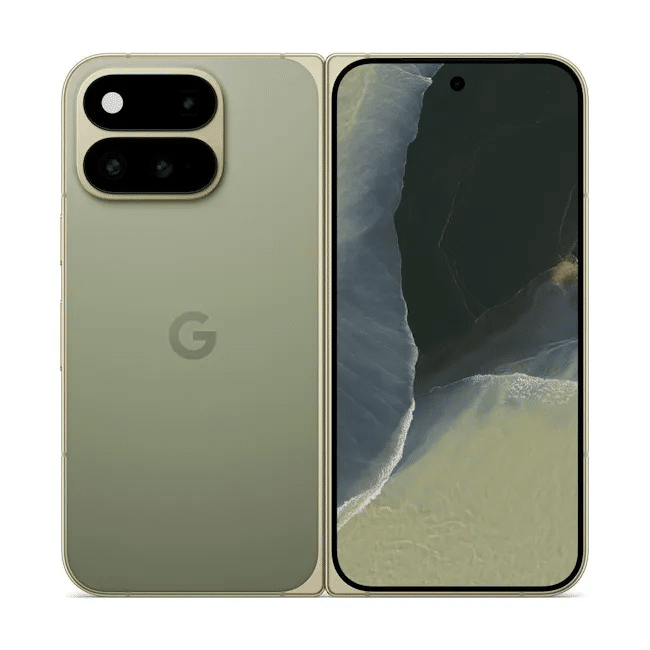
Foldables have traditionally asked buyers to trade weight and durability for a larger second display, and the Pixel 11 Pro Fold is Google’s latest attempt to reduce those compromises.
It’s almost 10% lighter and about 1mm thinner than the Pixel 10 Pro Fold. Google has also redesigned its durability system with a glass-fiber composite back, a new gearless hinge, and ceramic cover glass on the outer display. Google claims the overall device is three times more durable than last year’s Fold, while describing the new back cover as nearly impossible to crack under its testing conditions.
Both displays now reach 3,600 nits, 20% brighter than the previous generation. The Fold also supports 30W wired charging, up to 25W Qi2.2 wireless charging, more than 24 hours of claimed battery life, Tensor G6, and 16GB of RAM.
Camera hardware includes a new 48MP main camera and telephoto support for up to 30x Super Zoom. HiLight also appears on the Fold, giving it the same glanceable Gemini and call notifications as the Pro phones.
The more interesting addition may be accessibility. Google’s new sign-to-text feature works with Live Transcribe and Gboard, allowing someone to sign in American Sign Language toward the front camera while translated text appears on the outer display. Google says it developed the feature in partnership with the Deaf community.
The Pixel 11 Pro Fold starts at $1,899 and comes in Obsidian and Olive, with pre-orders open now and general availability beginning August 20.
Gemini Intelligence Is the Bigger Story Behind Pixel 11
Hardware took plenty of stage time, but Gemini Intelligence connects most of Google’s announcements this year. Instead of treating AI as a separate app, Google is increasingly weaving it into everyday Pixel features.
The Pixel 11 series expands proactive assistance, app integrations, Circle to Search, Live Translate, and camera intelligence. Circle to Search can now work directly from the Pixel Camera viewfinder, letting you point the camera at something, zoom in, identify it, and ask follow-up questions without first taking a photo.
Live Translate has expanded too. Tensor G6 can use on-device generative AI to translate and dub video and audio in real time, making the feature useful beyond face-to-face conversations.
Google is also adding more ways for Gemini Intelligence to work across apps and proactively surface information. The real question isn’t how many AI features Google can list, though. It’s whether they work consistently enough that Pixel owners actually rely on them every day.
Pixel 11 Gets New AI Camera Features
Google’s camera updates aren’t limited to larger sensors and longer zoom ranges. The Pixel 11 lineup also introduces Magic Capture, which is designed to help select the best moment when photographing moving subjects.
Camera Looks provide another layer of customization. Along with Google’s core photographic styles, users can choose additional Looks such as Digi, Black Tie, Minimal, Editorial, Classic, and Velvet, with each one customizable to suit a particular style.
Instant Night Sight is another practical improvement on the Pro models, reducing the time needed to capture Night Sight photos by up to 4.5 times. That matters more in everyday photography than another AI editing demo because it means less time trying to hold the phone perfectly still in low light.
Pixel Watch 5 Adds Breathing Emergency Detection
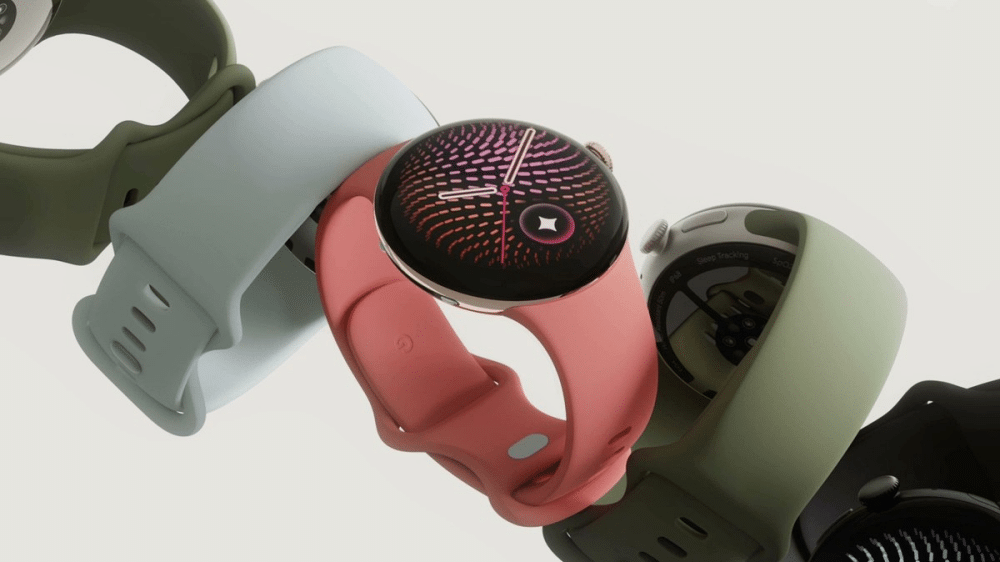
The Pixel Watch 5’s headline feature is one nobody wants to need. Breathing Emergency Detection is designed to detect signs that a wearer may have stopped breathing and, after checks and warnings, potentially contact emergency services. Google calls it an industry-first smartwatch feature.
The system analyzes signals including heart rate, movement, and altitude, while applying additional checks designed to reduce false alarms. Google is also clear that it isn’t a medical diagnosis tool and may not detect every breathing emergency.
Beyond that, Pixel Watch 5 gets Google’s most precise GPS route tracking yet, new health insights, Gemini Intelligence features, a brighter 3,000-nit Actua 360 display, and new watch faces and complications. Battery life is rated at up to 30 hours on the 41mm model and 40 hours on the 45mm.
Pricing starts at $399 for the 41mm model and $429 for the 45mm model, with both reaching stores August 20. The 45mm Stephen Curry Special Edition costs $579 and arrives September 3 with an exclusive performance loop band.
Pixel Tag Is Google’s Answer to AirTag
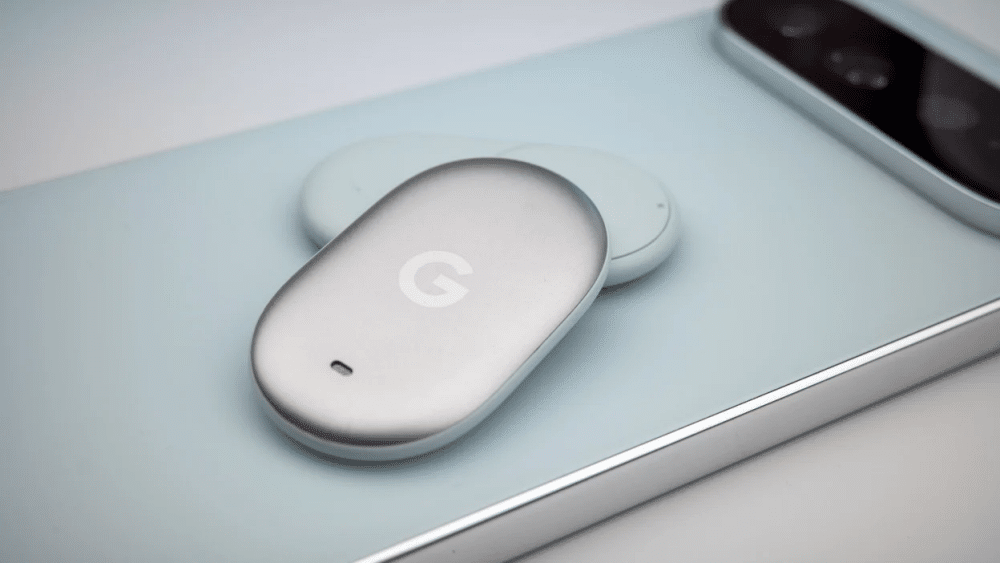
Google is finally launching its own first-party item tracker. The Pixel Tag works with Google’s Find Hub network and is designed for things like keys, wallets, bags, and luggage.
It’s made from stainless steel, carries an IP67 water- and dust-resistance rating, includes a built-in speaker, and uses a user-replaceable battery rated for up to one year. You can also press the button on the Pixel Tag to ring your phone, which is useful when the thing you’ve misplaced isn’t the tag itself.
Pixel Tag supports precision finding and can be shared with up to 10 people. It also works with other Pixel devices, so you can locate it through a Pixel Watch or ask Gemini through Pixel Buds to ring it.
Pricing is straightforward: $29 for one Pixel Tag or $99 for a four-pack. Unlike the phones and watch, it won’t be available until November 11.
Pixel Buds Pro 2 and Accessories Get Smaller Updates
Google didn’t introduce completely new flagship earbuds, but Pixel Buds Pro 2 are getting an Olive color and several software upgrades. Dynamic ANC can compensate when the earbud seal shifts, while Gemini audio controls let you change settings with commands such as asking it to adjust the bass.
Pixel Watch sleep sync is another useful ecosystem feature. When the watch detects that you’ve fallen asleep, compatible Pixel Buds can pause your audio, disable touch controls, and silence notifications automatically. Google says the software updates start rolling out in September.
Google also refreshed its Pixelsnap accessories, including new cases for the Pixel 11 lineup and Ring Stand options in Canyon, Olive, and Obsidian.
None of these updates is a reason to upgrade by itself, but together they make Google’s hardware ecosystem feel more connected.
Made by Google 2026 Prices and Release Dates
Here’s the important pricing and availability information in one place:
- Pixel 11: From $899, available August 20
- Pixel 11 Pro: From $1,099, available August 20
- Pixel 11 Pro XL: From $1,299, available August 20
- Pixel 11 Pro Fold: From $1,899, available August 20
- Pixel Watch 5: From $399 (41mm) or $429 (45mm), available August 20
- Pixel Watch 5 Stephen Curry Special Edition: $579, available September 3
- Pixel Tag: $29 individually or $99 for a four-pack, available November 11
Pre-orders for the Pixel 11 series and Pixel Watch 5 opened on August 12.
The Pixel 11 phones also arrive with Android 17. The update itself isn’t exclusive to the new hardware, as Google began rolling Android 17 out to eligible Pixel devices in June 2026.
Final Thoughts
Made by Google 2026 wasn’t a subtle refresh. The Pixel 11 series brings meaningful camera changes, faster charging, Tensor G6, and a much bigger push into Gemini Intelligence, while the Pixel 11 Pro Fold looks like Google’s most serious attempt yet to make a foldable feel as durable as a conventional flagship.
Pixel Watch 5’s Breathing Emergency Detection stands out as the most important safety addition, while Pixel Tag finally gives Google’s Find Hub network the first-party tracker it has been missing.
Still, Gemini is what ties almost everything together. From HiLight and Live Translate to camera features and proactive assistance, Google is designing more of its hardware around AI rather than treating it as an optional extra. Whether that strategy pays off will depend less on keynote demos and more on how reliably these features work once Pixel 11 phones reach users on August 20.