Minecraft ships the same content to two separate games. As of writing, Java runs 26.3 (Wilderness Bound) with 26.4 snapshots in testing. Bedrock sits on 26.60, which puts the winter drop’s Ice Caves behind an experimental toggle.
Since 2026, Mojang numbers versions by year, but the two editions still don’t match. Wilderness Bound landed as Java 26.3 and Bedrock 26.50 on September 15, 2026. The Microsoft Store listing prices the PC bundle with both editions at $29.99, so PC players don’t actually have to choose.
Java vs Bedrock at a glance
| Feature | Java Edition | Bedrock Edition |
|---|---|---|
| Platforms | Windows, macOS, Linux | Windows, Xbox, PlayStation, Switch, Switch 2, iOS, Android |
| Cross-play | Java players only | Across all Bedrock devices |
| Mods | Free community mods (Fabric, NeoForge) | Add-ons, paid Marketplace content |
| Redstone | Quasi-connectivity, BUD switches | No quasi-connectivity, different update order |
| Combat | Attack cooldown | No cooldown, faster clicking pays off |
| Graphics | Vulkan in testing; no Vibrant Visuals yet | Vibrant Visuals available |
| Controller | Not natively supported | Controller and touch support |
| World format | Anvil | LevelDB |
Which platforms run each edition?
Java runs only on computers: Windows, macOS and Linux. Bedrock covers everything else, and on PC it runs only on Windows.
Bedrock also gained a native Nintendo Switch 2 version on October 27, 2026, with Vibrant Visuals on by default. Digital Switch 1 owners get a free upgrade in most regions until January 31, 2027, as covered in our Bedrock 26.60 breakdown.
Can Java and Bedrock players play together?
No, not officially. The Microsoft Store listing confirms Java and Bedrock worlds aren’t compatible, and each edition has its own Realms and servers.
Some Java servers use the third-party Geyser proxy to let Bedrock players join. Mojang doesn’t support it, so expect occasional mismatches in combat and redstone. Notably, console Bedrock players need a paid Xbox Game Pass, PlayStation Plus or Nintendo Switch Online subscription for online play.
Mods, add-ons and the Marketplace
Java remains the modding edition. Loaders like Fabric and NeoForge run free community mods that change almost anything, from performance to entire new dimensions.
Bedrock uses behavior and resource packs, which Microsoft’s creator documentation describes as similar to Java data packs but significantly different in practice. Bedrock also has the Marketplace, where you buy creator-made worlds and skins with Minecoins. Additionally, Bedrock 26.60 made entity JSON validation stricter, so some older add-ons now fail to load.
Redstone, combat and commands
Redstone builders should pick Java. Bedrock doesn’t support quasi-connectivity, BUD switches behave differently, and pistons won’t leave blocks behind on a one-tick pulse. Most basic circuits work on both, but complex Java contraptions often break on Bedrock.
Combat differs too. Java has had an attack cooldown since 1.9, which rewards timed hits, while Bedrock lets you click as fast as you like. Commands also split: Bedrock’s syntax resembles older Java versions, so check our Minecraft commands list before pasting anything across editions.
The parity gap keeps shrinking, though. Bedrock 26.60 made pistons push Shulkers like Java, so Java-style Shulker farms now work on Bedrock. Both editions also offer the same game modes, and switching between them works much the same way.
Graphics: Vibrant Visuals and the Vulkan switch
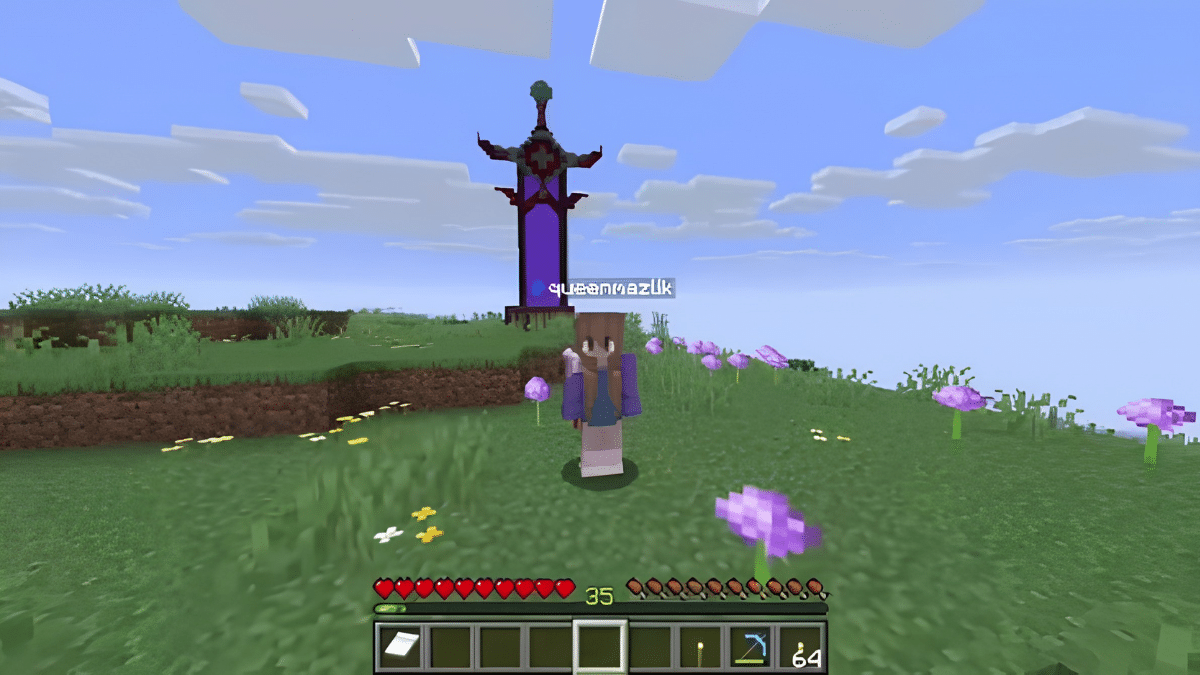
Bedrock has offered Vibrant Visuals, Mojang’s built-in shader-style lighting, since June 2025. Java doesn’t have it yet.
Java is moving there through a new renderer. Mojang added experimental Vulkan support in 26.2 Snapshot 1 on April 7, 2026, calling it a major step toward Vibrant Visuals. The Graphics API option in Video Settings lets you pick Vulkan or OpenGL. Vulkan reportedly became the default in the 26.4 snapshots, but Mojang hasn’t given a Java release date for Vibrant Visuals.
Which edition should you buy?
- You play on PC: Buy the $29.99 bundle and use both. Java for mods and servers, Bedrock for playing with console friends.
- You play with friends on consoles or phones: Bedrock is the only option that connects them all.
- You build redstone or want heavy mods: Java, without question.
- You use a Mac or Linux: Java is your only official choice.
Wrapping up
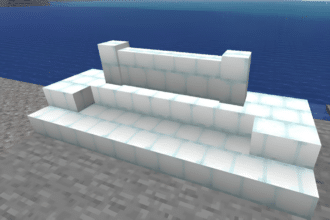
The two editions now get the same content in the same drops, so the choice comes down to where you play and how much you tinker. The next drop brings Ice Caves and Frostbites to both games, and Java testers can follow it in 26.4 Snapshot 6.
Further out, Mojang plans to add The Sift, the first new dimension in about 14 years, to both Java and Bedrock in 2027. Java’s Vulkan work should also make Vibrant Visuals the next big parity milestone.
Java runs only on computers and supports deep modding. Bedrock runs on consoles, phones and Windows, with cross-play between all of them.
Bedrock runs on Windows, Xbox, PlayStation, Nintendo Switch, Switch 2, iOS and Android. Java runs on Windows, macOS and Linux.
Not yet. Java is testing a Vulkan renderer in snapshots, which Mojang calls a step toward Vibrant Visuals, but there’s no release date.
Not officially. Java uses the Anvil format and Bedrock uses LevelDB, so you’d need third-party converters, and redstone builds may not behave the same.
Yes, both get every game drop, usually on the same day. The version numbers differ, though: Wilderness Bound is Java 26.3 and Bedrock 26.50.