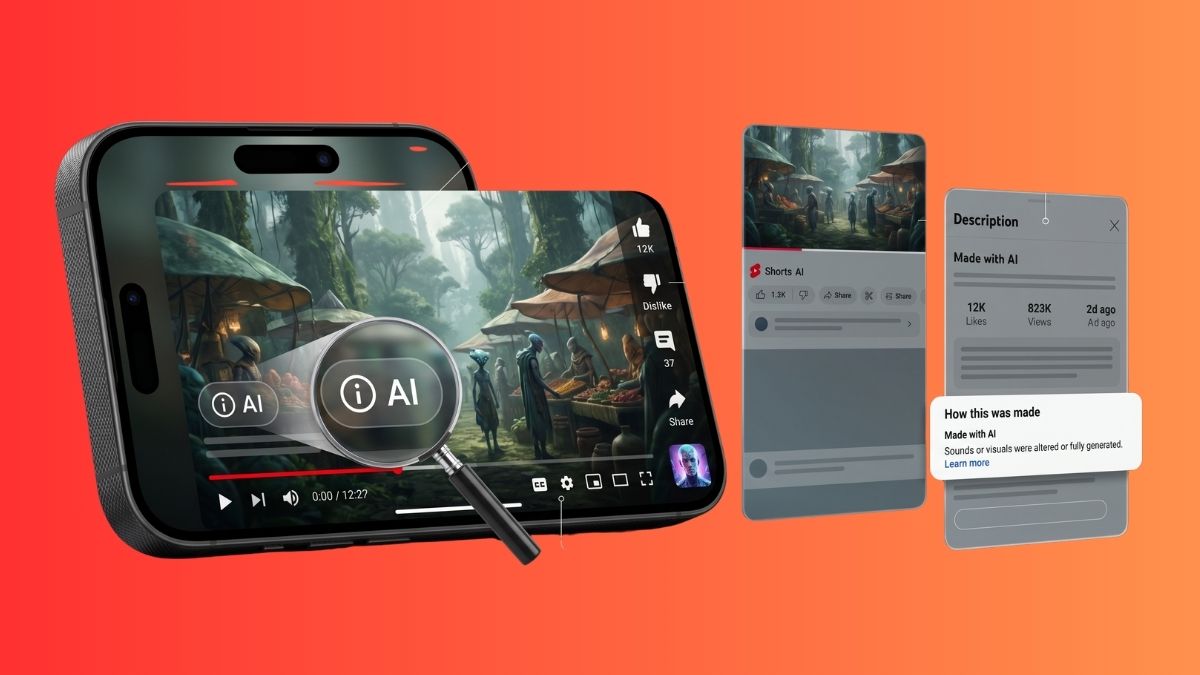
If you’ve ever watched a YouTube video and wondered whether that suspiciously perfect news anchor or flawlessly rendered scene was actually real, you’re not alone. And YouTube has finally decided to stop leaving viewers to guess.
On May 27, 2026, YouTube announced that it will now automatically detect and label AI-generated content directly on videos, not buried inside the description where almost nobody looks. It’s a meaningful shift in how the platform handles AI transparency, and if you create, watch, or think about online video at all, it’s worth understanding what actually changed.
What’s Actually New: AI Labels Are Moving Where You’ll Actually See Them
The old system technically required creators to disclose AI use, but the label lived in the expanded description section, the digital equivalent of fine print. Most viewers never opened it. Most probably didn’t know it existed.
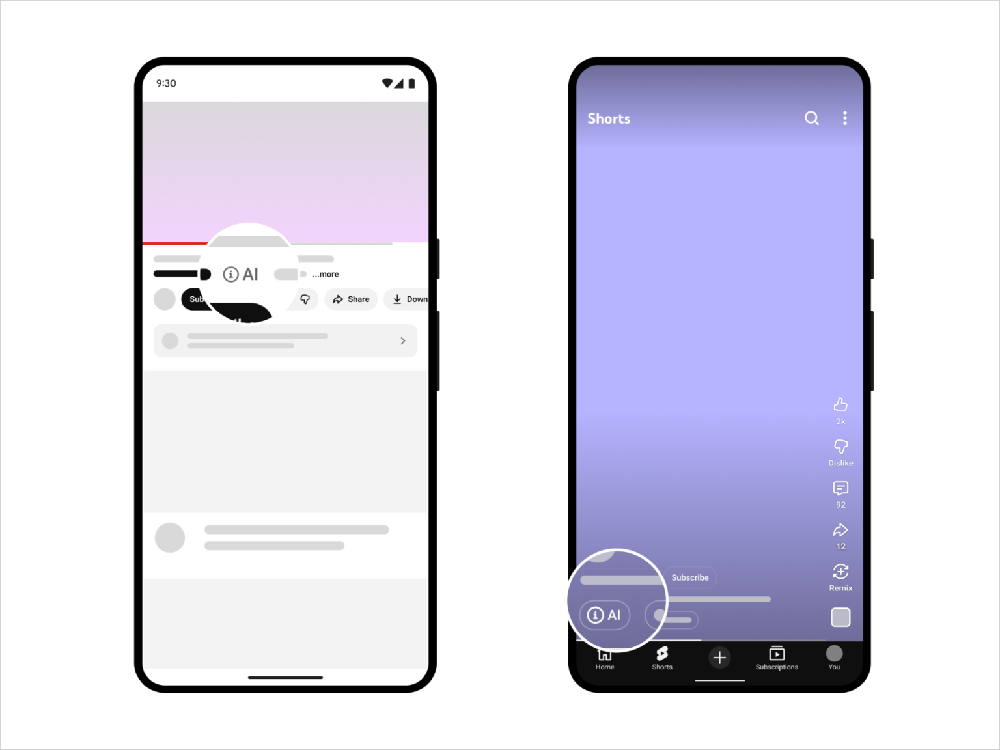
Now, for long-form videos, the AI label sits directly below the video player and above the description. For YouTube Shorts, it appears as an overlay on the video itself. Neither placement is accidental. Both put the disclosure in the viewer’s natural line of sight the moment they start watching.
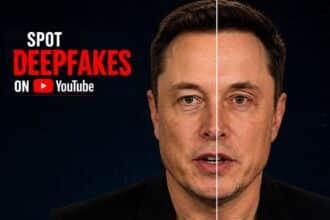
This isn’t just a cosmetic tweak. It reflects a broader reckoning with how AI-generated YouTube content has evolved, from novelty to noise. Deepfakes, synthetic news presenters, AI-voiced commentary disguised as real reporting, all of it has gotten convincing enough that a label tucked away in metadata simply doesn’t cut it anymore.
The Part That Changes Things Most: Automatic Detection
Here’s where this update gets genuinely significant for both viewers and creators.
YouTube is rolling out an automatic content detection system that scans videos for what it calls “significant photorealistic AI use.” If the system detects it, the AI label gets applied automatically, even if the creator never disclosed anything.
In practical terms, that means realistic synthetic people, AI-generated events that didn’t happen, cloned voices, and heavily AI-altered faces all fall in scope. Basic editing tools, non-realistic animation, or minor visual effects are explicitly excluded. The target is content that could meaningfully deceive a viewer into thinking they’re watching something real.
For creators who get auto-labeled incorrectly, there’s a way out: update the disclosure status in YouTube Studio. But there’s a notable exception. If your content was made with YouTube’s own AI tools, like Veo or Dream Screen, or if it carries C2PA watermark metadata indicating it was AI-generated, the label sticks permanently. No override.
That distinction matters. It’s YouTube essentially saying: if we made the AI tool that made your content, we’re not going to let you quietly walk back the disclosure.
What This Means If You’re a Creator
The honest answer: not much changes day-to-day if you’re already disclosing properly.
YouTube has been explicit that the AI label won’t affect recommendations, monetization, or promotion. The goal, in their words, is viewer context, not punishment. A well-made AI-assisted video with a clear label isn’t going to get buried in the algorithm just because it was AI-generated.
What does change is the accountability layer. The manual disclosure requirement that YouTube introduced in 2024 still applies, but automatic detection now acts as a backup. Think of it less as surveillance and more as a safety net for a platform that’s become overrun with synthetic content, what the industry has started calling “AI slop.”
Worth noting: the label placement update is rolling out globally right now. The automatic detection and auto-labeling system arrives in the coming weeks.
The Bigger Picture: Why YouTube Moved on This Now
This announcement didn’t happen in a vacuum. At Google I/O 2026, Google revealed expanded AI content features for YouTube, including tools that let creators remix other people’s videos using AI to produce Shorts. The creative possibilities are real, but so is the transparency problem that comes with them.
When you combine surging AI creation tools with billions of daily viewers who can’t reliably distinguish synthetic from real, the informational stakes get high fast. Misinformation wrapped in a photorealistic shell is a different kind of problem than a blurry photo caption.
YouTube’s move is also part of a wider industry push toward provenance and authenticity standards, with C2PA (Coalition for Content Provenance and Authenticity) metadata being one of the technical standards it’s now officially recognizing. The signal to other platforms and creators is clear: disclosure infrastructure is becoming table stakes, not optional.
A Note on What This Doesn’t Cover
It’s worth being precise about scope, because this update sometimes gets overstated.
The label applies to photorealistic and meaningfully altered or synthetically generated content, content that could genuinely be mistaken for real. It does not apply to:
- Basic AI editing tools or color grading.
- Clearly non-realistic animation or illustrated content.
- Minor visual effects that don’t alter the authenticity of what’s being shown.
In other words, using an AI tool to clean up audio or auto-generate captions won’t trigger a label. Using AI to put a fake politician in a fake press conference will.
What to Do If You’re a Creator Right Now
If you’re already in the habit of disclosing AI use during upload, you’re ahead of the curve. The main thing to watch for when auto-detection rolls out is whether your content gets flagged in a way you disagree with, and if so, YouTube Studio is where you handle that dispute.
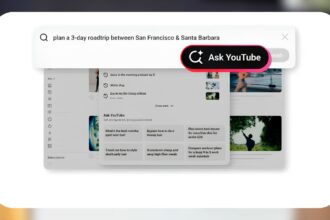
If you’ve been meaning to explore what YouTube is building on the AI front more broadly, the platform’s recent additions are worth a look. The new YouTube “Ask YouTube” feature is one of the more interesting experiments in how AI is being woven into the viewing experience itself, separate from the content creation side entirely.
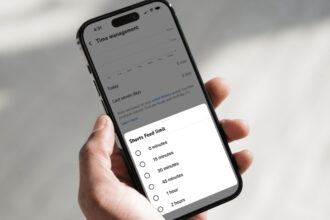
And if you’re on the viewer side trying to manage your feed, particularly around Shorts, here’s a useful read on how to disable YouTube Shorts if the format isn’t working for you.
The Bottom Line
YouTube’s AI labeling update is a genuinely practical change, not a PR gesture. Moving the label from the description to a visible position on the video, and backing it with automatic detection, closes a real gap between what YouTube’s policy said and what viewers could actually see.
It won’t solve the AI content problem on its own. But it makes the problem visible in a way it wasn’t before. And for a platform that reaches over two billion people a month, visibility is a meaningful first step.
For the full official announcement, YouTube’s blog post, Improving AI labels for viewers and creators, has the complete technical details.