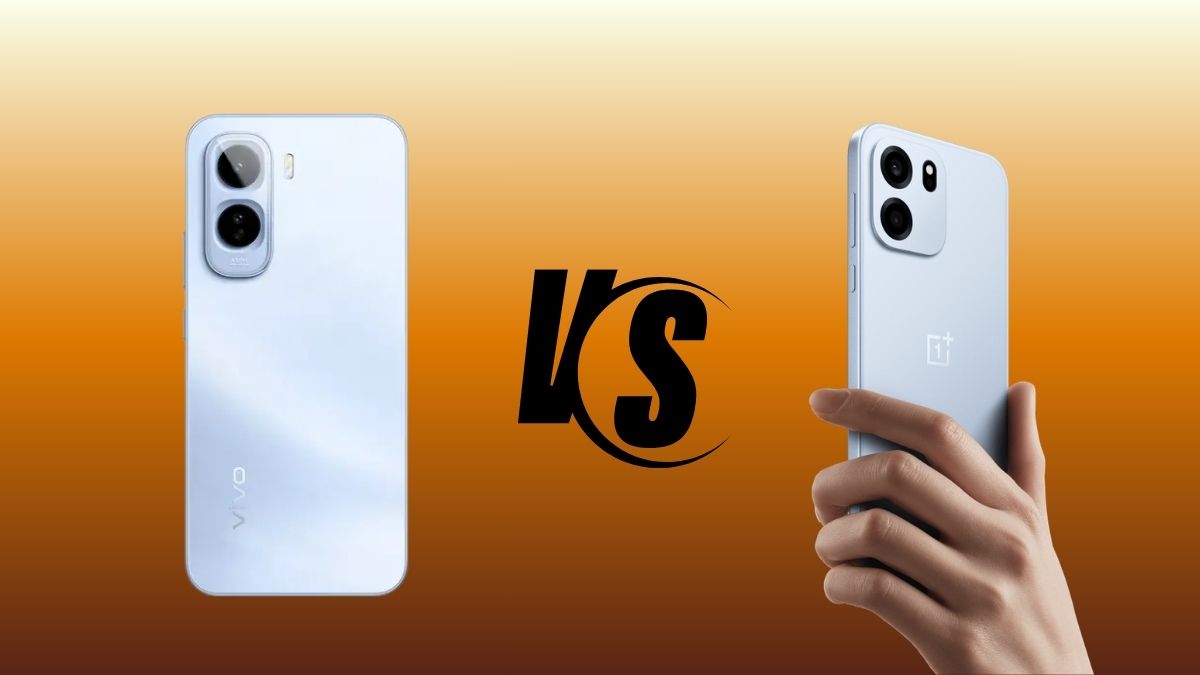
Two phones. Nearly identical prices. The same chipset under the hood. And yet, if you put the OnePlus Nord CE 6 and Vivo T5 Pro side by side, you will quickly realize they are chasing very different kinds of buyers.
The OnePlus Nord CE6 landed in early May 2026 with a clear agenda: pack in an enormous battery, build something that can survive real-world abuse, and give gamers a reason to stick around. The Vivo T5 Pro, which arrived about three weeks earlier in April 2026, takes a different route — slimmer profile, a blinding display, better long-term software support, and a camera tuned for everyday life rather than just benchmarks.
Both sit comfortably around the ₹27,999 to ₹29,999 mark for the base 8GB/128GB variant, which makes the decision genuinely tricky. So let us break it down properly.
OnePlus Nord CE6 vs Vivo T5 Pro: Full Specs Compared
| Feature | OnePlus Nord CE6 | Vivo T5 Pro | Edge |
|---|---|---|---|
| Display | 6.78-inch AMOLED, 1.5K, 144Hz, 3600 nits peak brightness | 6.83-inch AMOLED, 1.5K, 144Hz, 5000 nits peak brightness | Vivo (better outdoor brightness) |
| Processor | Snapdragon 7s Gen 4 (4nm) | Snapdragon 7s Gen 4 (4nm) | Tie |
| RAM & Storage | 8GB LPDDR5 RAM, 128GB/256GB UFS 3.1 storage | 8GB/12GB LPDDR4X RAM, 128GB/256GB UFS 3.1 storage | Vivo (12GB RAM option) |
| Rear Camera | 50MP main with OIS + 2MP secondary | 50MP Sony IMX882 + 2MP depth sensor | OnePlus (better video and low-light performance) |
| Front Camera | 32MP | 32MP | Tie |
| Battery & Charging | 8000mAh battery, 80W wired charging, 27W reverse charging | 9020mAh battery, 90W wired charging | Vivo (battery capacity), OnePlus (reverse charging) |
| Build & Durability | 215g, 8.5mm thickness, IP68/IP69/IP69K, MIL-STD-810H certified | 213g, 8.3mm thickness, IP68/IP69 rated | OnePlus (better ruggedness) |
| Software | Android 16 with OxygenOS, around 2 OS updates | Android 16 with OriginOS, 3 OS updates + 5 years security updates | Vivo (long-term software support) |
| Extras | Stereo speakers, IR blaster, advanced cooling system | Stereo speakers, vapor chamber cooling | Tie |
Display: Vivo’s Screen Hits Different in Sunlight
Both phones run a 1.5K AMOLED panel with 144Hz refresh rates, and honestly, either one will look great during your daily scroll. But the numbers tell an interesting story when you take them outside.
The Vivo T5 Pro peaks at an eye-watering 5,000 nits of brightness against the Nord CE6’s 3,600 nits. That 1,400-nit gap is not just a spec sheet flex — on a sunny afternoon, the Vivo display is noticeably easier to read. The HBM (High Brightness Mode) difference also matters: 2,000 nits on the Vivo versus 1,800 nits on the OnePlus.
The Nord CE6 is slightly smaller at 6.78 inches versus the Vivo’s 6.83-inch panel, but both feel like full-screen experiences. Where OnePlus makes up ground is durability — the Nord CE6 pairs its display with a more rugged frame overall, which we will get to shortly.
Design and Build: Rugged or Refined?
This is where the two phones genuinely split personalities.
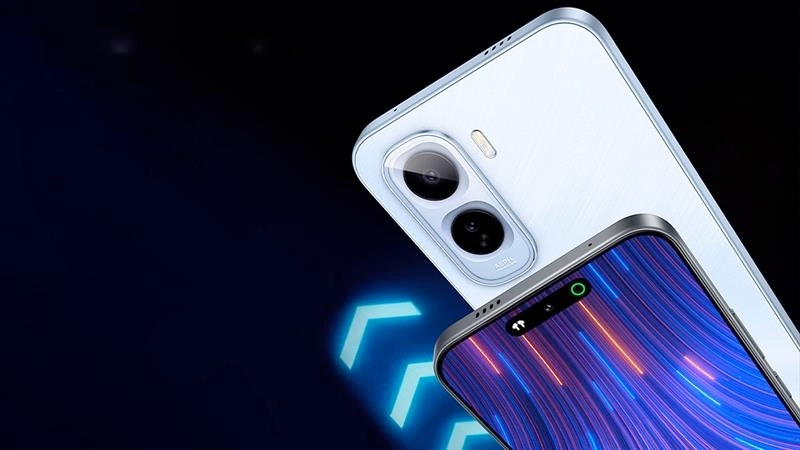
The Vivo T5 Pro is the sleeker device. At 8.3mm thick and 213g, it carries itself with a premium feel — curved edges, tighter bezels, and a build that feels good in daily handling. If aesthetics and pocket comfort matter to you, Vivo wins this round without much debate.
The OnePlus Nord CE6 comes in at 8.5mm and 215g, which is not dramatically different, but its real story is what happens when things go wrong. IP68/69/69K certification combined with MIL-STD-810H compliance means this phone is built for people who are not precious about their devices. It can handle dust, deep water submersion, and the occasional drop far better than most phones in this price range. Vivo offers IP68/69, which is solid, but OnePlus goes a step further in the stress-test department.
If you work outdoors, travel rough, or just tend to drop things, the Nord CE6’s build philosophy is worth taking seriously.
Performance: Same Engine, Different Tuning
When you compare OnePlus Nord CE6 vs Vivo T5 Pro on raw performance, you are essentially comparing two versions of the same car. Both run the Snapdragon 7s Gen 4 on a 4nm process, and AnTuTu scores land in a similar 1.05 to 1.17 million range for both. Everyday tasks, multitasking, high refresh rate gaming — neither phone is going to sweat it.
The difference is how each brand tunes the experience around that chipset. OnePlus leans harder into gaming with extended cooling architecture and software optimizations designed to hold frame rates steady over longer sessions. Vivo is no slouch either, but its vapor chamber cooling setup serves more of a general-use crowd rather than dedicated gamers.
If you are curious how Snapdragon stacks up in general, our MediaTek vs Snapdragon breakdown covers the broader picture well.
Camera: Close on Paper, Different in Practice
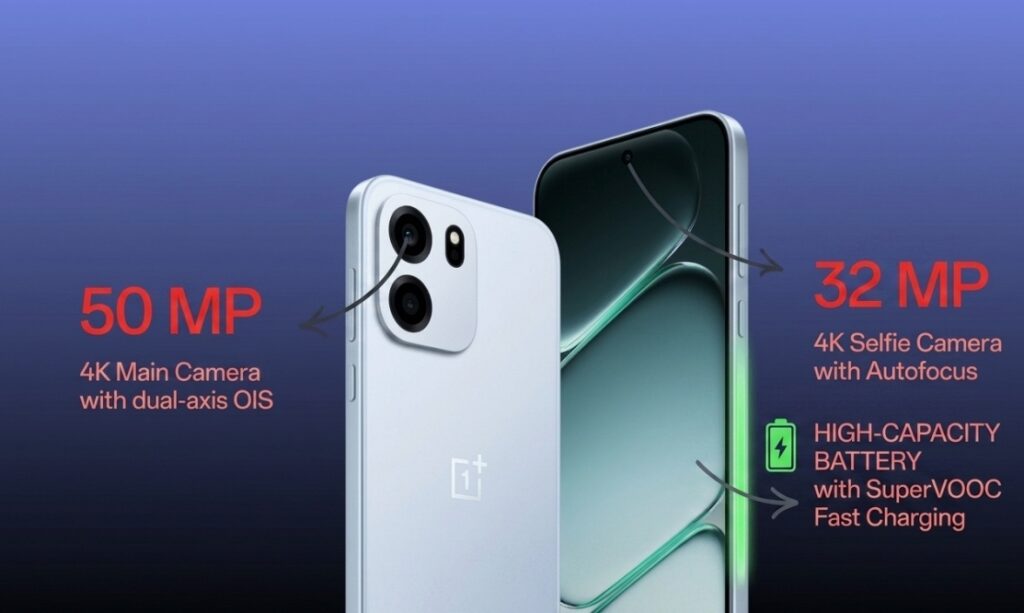
Both phones carry a 50MP primary shooter and a 2MP secondary sensor, plus a 32MP selfie camera. On paper, it is basically a tie. In real use, the gap is small but noticeable depending on what you shoot.
The Nord CE6’s OIS support gives it a clear advantage in video stability — whether you are recording a vlog or just shooting handheld in low light, the footage is smoother. Vivo equipped the T5 Pro with a Sony IMX882 sensor, which handles dynamic range well and adds a depth camera that genuinely helps portrait mode look less artificial. Colors on the Vivo side tend to run warmer with softer skin tones, which many people actually prefer for casual portraits.
For daylight shots, both phones perform well enough that most users will not feel shortchanged either way. The OnePlus edges ahead when conditions get tricky — night scenes, moving subjects, handheld video.
Battery Life: Both Are Built to Last, But One Lasts Longer
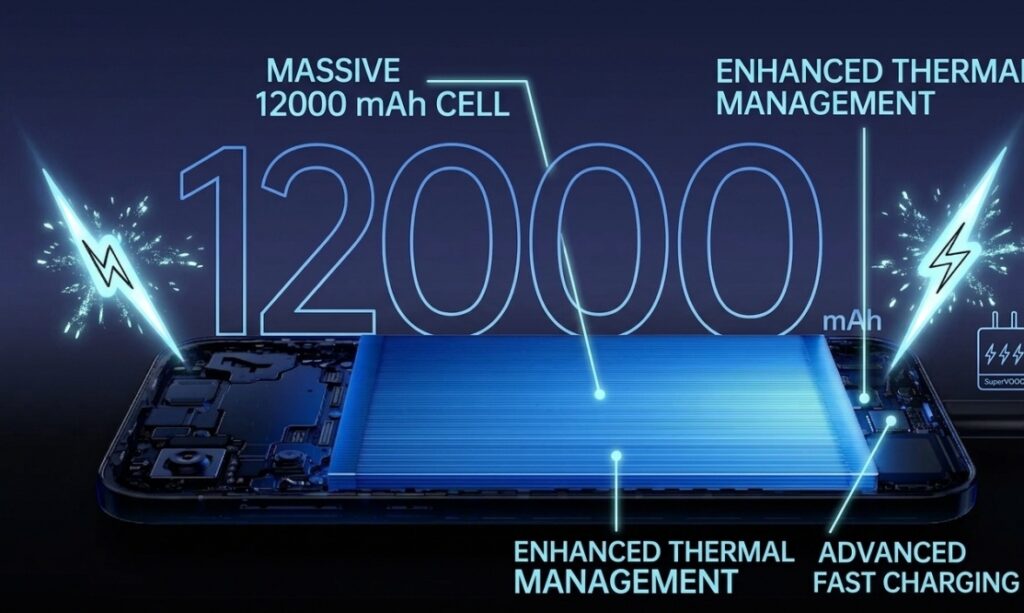
Here is where the OnePlus Nord CE6 normally runs away from the competition — and the Vivo T5 Pro still manages to beat it.
The Nord CE6 packs an 8,000mAh battery, which is already a rare number at this price point. Most mid-range phones are still sitting at 5,000 to 6,000mAh. Then the Vivo T5 Pro shows up with a 9,020mAh silicon-carbon battery, and the conversation shifts.
That extra 1,000mAh translates into real-world gains during extended gaming sessions and video streaming marathons. If you regularly go heavy on your phone through a full day of travel or work, the Vivo will likely end the day with more charge left.
On the flip side, the Nord CE6 charges slightly faster in real-world tests despite the nominal specs suggesting otherwise, and its 27W reverse charging is genuinely useful if you need to top up earbuds or a smartwatch on the go.
Both phones are strong contenders for the best battery life in the mid-range segment right now. Choosing between them really comes down to whether raw endurance or charging convenience matters more to you.
Related: Adaptive Battery vs Adaptive Power: How Android and iPhone Save Energy
Price: Almost Identical, But Watch for Deals
The OnePlus Nord CE6 base variant (8GB/128GB) is priced at approximately ₹29,000, while the Vivo T5 Pro base variant sits at ₹29,999. The Vivo also comes in a 12GB RAM variant, giving it a configuration the Nord CE6 does not offer.
Worth noting: the Vivo T5 Pro regularly sees bank discount offers of up to ₹2,000, which can bring the effective price down to the ₹27,999 range. Always check Flipkart and Amazon for current deals before buying, because the effective price after offers can shift the value calculus quite a bit.
Final Verdict: Who Should Buy Which?
After spending time with both phones, the honest answer is that neither is a bad choice. But they are clearly built for different people.
Buy the Vivo T5 Pro if you want the brighter outdoor display, that genuinely massive 9,020mAh battery, a slimmer everyday carry, and — importantly — three OS updates plus five years of security patches. For most users buying a phone they expect to use for three or more years, the software support alone tips the scales.
Buy the OnePlus Nord CE6 if you are a heavy gamer who wants sustained performance, a phone that can take a beating without complaint, faster charging feel, and the cleaner OxygenOS experience. The MIL-STD-810H certification is not something you see at this price very often, and for active users it is a genuine differentiator.
For a broader perspective on how these phones fit into the premium tier, the OnePlus 15 vs 15R comparison is worth a read if you are considering stepping up your budget.
Don’t miss these related reads: