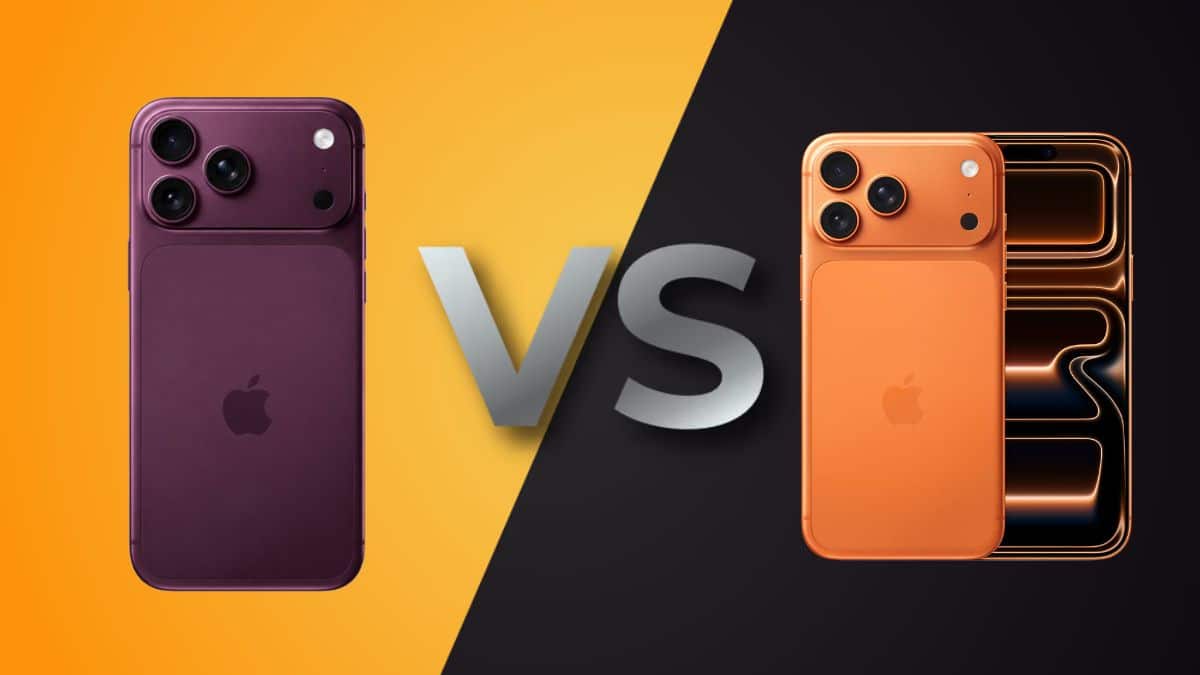
Apple just raised the price of its Pro iPhone for the first time since 2023, and it wants you to notice the camera before you notice the receipt. At today’s “Surprise and Shine” event, Apple officially unveiled the iPhone 18 Pro and iPhone 18 Pro Max, and the headline feature isn’t a new chip or a redesigned screen. It’s a physical aperture ring inside the main camera, something no iPhone has ever had.
That’s a genuinely new trick for a lineup that’s leaned on the same basic camera formula since the iPhone 15 Pro. Pair it with a $100 price increase, Apple’s biggest battery gains in years, and a smaller Dynamic Island, and this is more than an annual spec bump. Here’s what actually changed from the iPhone 17 Pro, and whether it’s worth paying more to get it.
Price and Release Date: What Changed
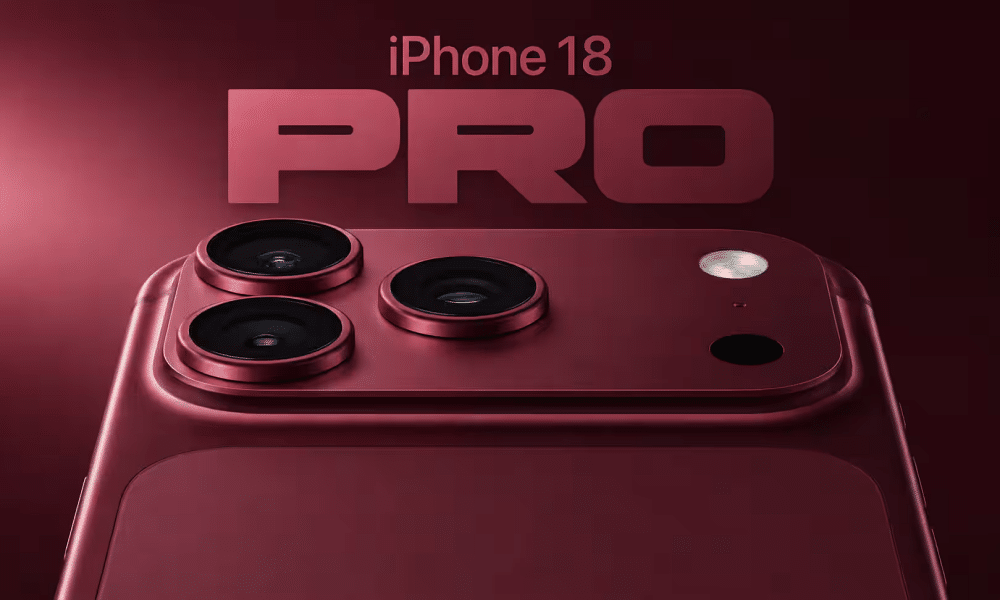
The iPhone 18 Pro starts at $1,199 for 256GB, and the Pro Max starts at $1,299. Both are $100 more than the iPhone 17 Pro lineup’s launch price last year, when the Pro opened at $1,099 and the Pro Max at $1,199.
Apple hasn’t said so directly, but the timing lines up with a broader run of price increases across the Mac and iPad lineup earlier in 2026, tied to a global memory shortage that’s made RAM and storage more expensive industry-wide.
Preorders open Saturday, September 12, at 5 a.m. Pacific, a day later than Apple’s usual Friday slot. Devices ship September 18 in the US, UK, Canada, and more than 60 other countries and regions, with a second wave of markets following on September 25. If you’re on an iPhone 17 Pro right now, that’s about a two-week window to decide whether the upgrade is worth it before your trade-in value starts sliding.
A20 Pro vs A19 Pro: The Real Performance Gap
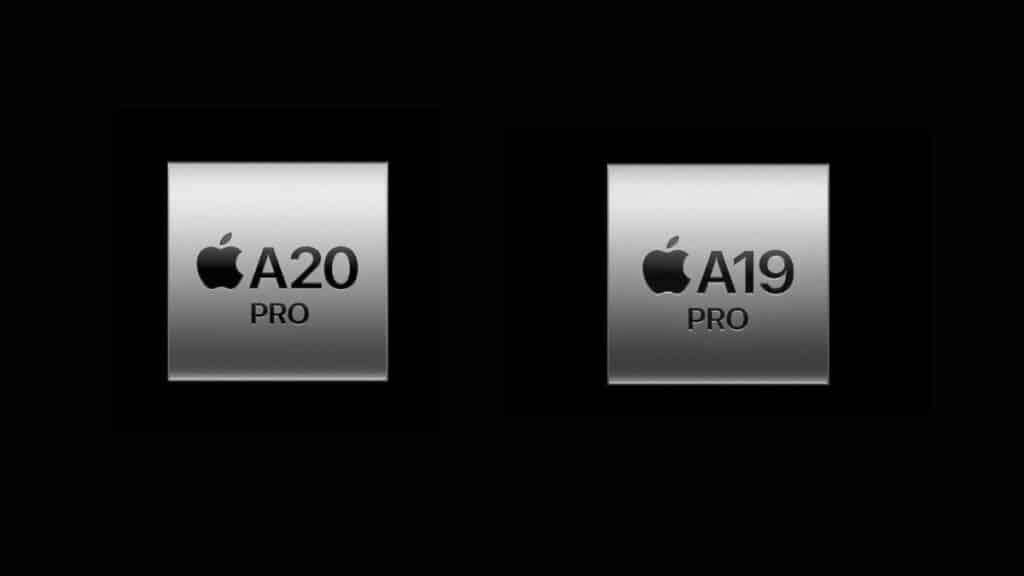
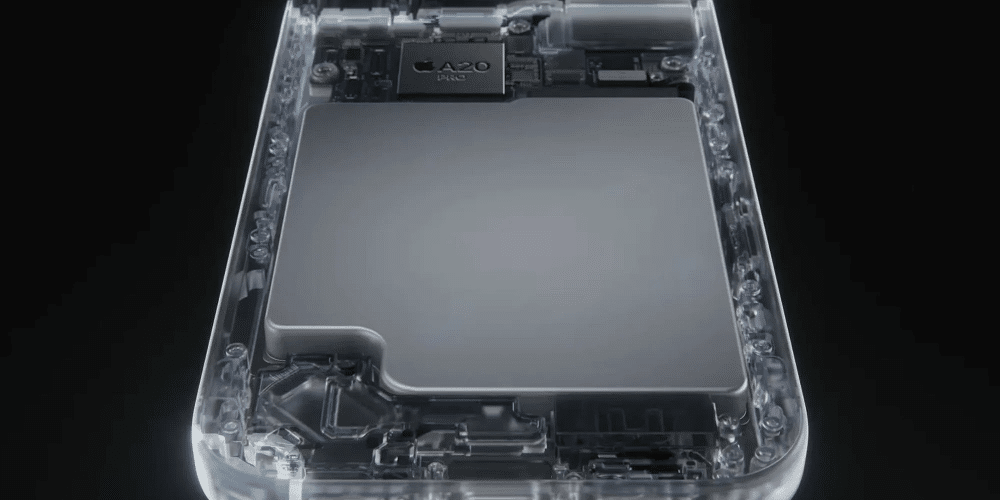
That extra $100 isn’t only paying for the camera. It’s also paying for a new chip. The A20 Pro moves to a 2-nanometer manufacturing process, and Apple claims a 7-core GPU that’s up to 40% faster than the A19 Pro’s, plus a dual 16-core Neural Engine that doubles the AI processing headroom of last year’s chip. Memory bandwidth jumps 50%.
None of that matters much for everyday scrolling and texting. Where it shows up is in how long the phone can push hard without throttling. Apple redesigned the internal vapor chamber with triple the surface area of the one in the iPhone 17 Pro, and says that translates to up to 40% more sustained performance during demanding tasks like gaming or 4K video export.
If you’ve ever had an iPhone Pro get uncomfortably warm and visibly slow down mid-game, that’s the problem this is built to fix. Casual users won’t feel the difference; anyone editing video or gaming for long stretches on their phone will.
Variable Aperture: iPhone’s Biggest Camera Change in Years
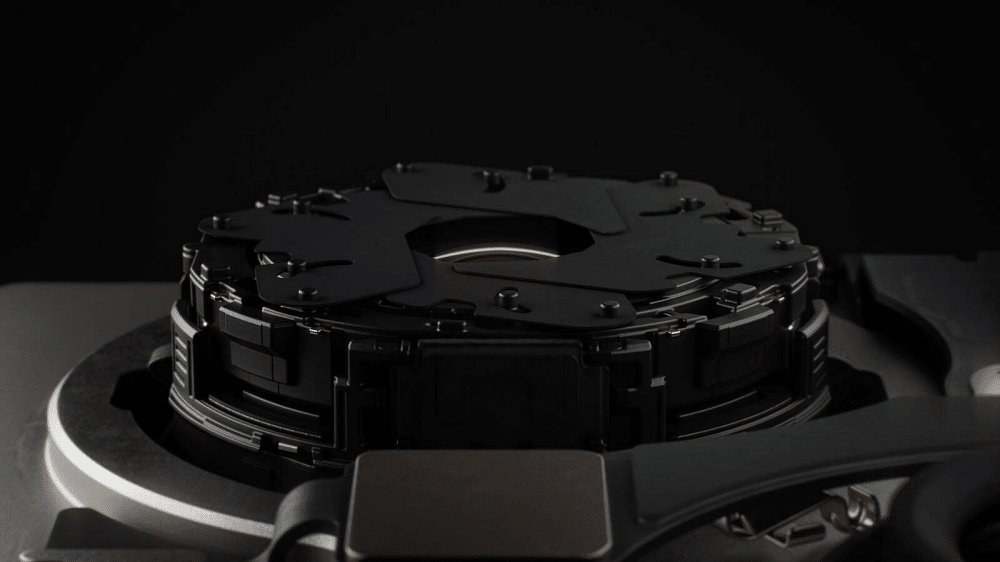
Here’s the actual news. The 48MP Fusion Main camera on the iPhone 18 Pro can physically change its aperture, something DSLRs and mirrorless cameras have done for decades but no iPhone ever has. Six laser-cut blades move to one of four settings, ƒ/1.48, ƒ/1.8, ƒ/2.8, or ƒ/4, adjusting how much light hits the sensor and how blurred the background looks.
In plain terms: a wider aperture (ƒ/1.48) lets in more light for low-light shots and creates a shallower, more blurred background behind your subject. A narrower one (ƒ/4) keeps more of the scene in focus, which is what you want for group shots or landscapes where you don’t want the background to melt away. On the iPhone 17 Pro, the aperture was fixed at ƒ/1.78. You got whatever depth of field the camera decided you needed, full stop.
Apple paired the new sensor with Pro Controls, letting you manually set aperture, shutter speed, and white balance with a histogram on screen, plus a new Apple Reference Image feature that cryptographically signs an unedited copy of every photo so you can prove later what came straight from the camera versus what got touched up.
That second one matters more than it sounds for anyone who shoots photos professionally or needs to verify authenticity, and it’s a feature aimed squarely at photojournalists and content creators, not casual snapshooters.
The catch: Apple hasn’t published the telephoto and ultrawide specs in as much detail as the main camera. Early indications point to the telephoto lens carrying over similar hardware to the iPhone 17 Pro’s 4x periscope zoom, but that’s worth confirming against Apple’s full tech specs page once it’s live, rather than treating it as settled.
If you’ve been using iOS 27’s built-in photo editing tools to fix framing after the fact, the variable aperture camera is aimed at solving the problem earlier, by giving you more control at the moment you shoot instead of leaning on software to clean it up.
Battery Life Takes Its Biggest Jump Yet
The new chip’s efficiency gains don’t stop at performance. They also feed directly into runtime. The iPhone 18 Pro claims up to 36 hours of video playback, up from the iPhone 17 Pro’s 33 hours. The Pro Max jumps further, from 39 hours to a claimed 45, which Apple is calling the largest battery life increase in iPhone history. Both figures apply to the eSIM-only models sold in the US and a handful of other markets; phones with a physical SIM tray get a slightly smaller battery and correspondingly less runtime.
Charging gets faster too. The iPhone 18 Pro reaches 50% in about 15 minutes with a wired connection, down from 20 minutes on the iPhone 17 Pro, though you’ll need a 60-watt-capable USB-C cable and a USB PD 3.1+ adapter to actually hit that speed. A five-minute top-up now buys roughly six to seven hours of video playback, which is the kind of number that matters if you’re always leaving the house at 40% and regretting it by lunch.
If your current iPhone 17 Pro is already struggling to make it through a full day, that’s usually a sign the battery has degraded rather than a reason to blame the phone’s original design. Worth checking before you assume you need a whole new device to fix a battery problem.
Design, Display, and the Smaller Dynamic Island
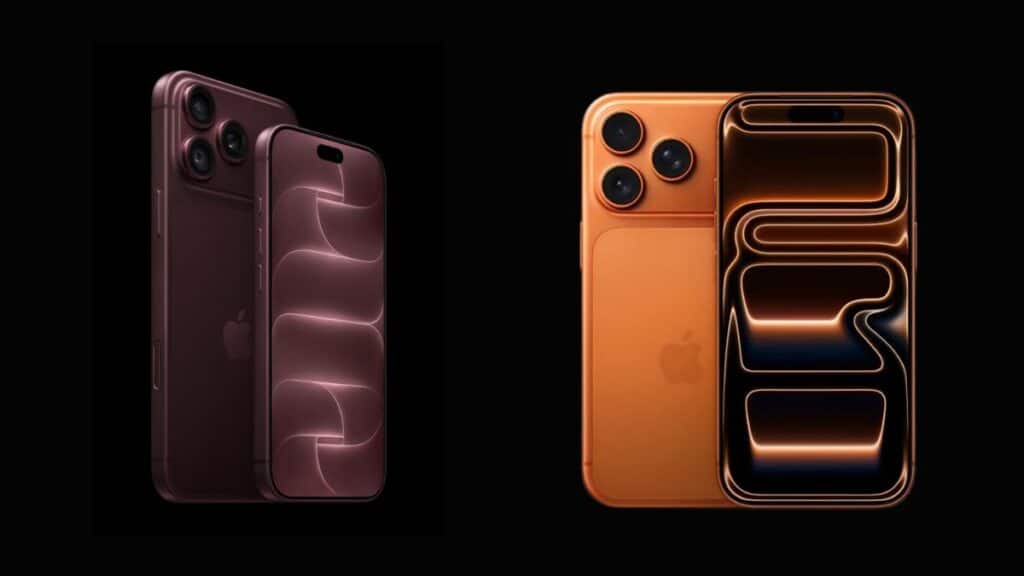
None of those internal changes show up on the outside, and that’s mostly the point this year. Both phones keep the same 6.3-inch LTPO Super Retina XDR OLED display at 120Hz, so this isn’t a screen-size upgrade. What’s different is the Dynamic Island, which Apple shrank by relocating some of the Face ID hardware underneath it. It’s a small physical change with a real practical benefit: the redesigned pill can now show three Live Activities at once instead of the more cramped layout on the iPhone 17 Pro.
Colors move on entirely. The iPhone 17 Pro came in Silver, Cosmic Orange, and Deep Blue. The iPhone 18 Pro drops all three in favor of Black, Silver, Glacier, and a new Burgundy option, so anyone attached to last year’s orange finish is out of luck.
Related: iPhone 18 Pro Colors: Which One Should You Choose?
Storage, Connectivity, and What Else Changed
The new colors aren’t the only thing hiding under the same-looking shell. For the first time, the Pro lineup offers a 2TB storage tier, on top of the usual 256GB, 512GB, and 1TB options. That’s real headroom for anyone shooting ProRes video or Apple’s new higher-resolution photo formats without constantly offloading files.
Under the hood, the new N1 wireless chip adds Wi-Fi 7, Bluetooth 6, and Thread support, while the C2 modem uses AI-assisted processing to run about 15% more efficiently than last year’s C1X, with mmWave 5G still included on US models. Neither change is something you’ll consciously notice day to day, but faster, more efficient connectivity chips are the kind of upgrade that quietly improves battery life and download speeds across the board rather than showing up as a headline feature.
Small Changes Worth Knowing
A few other differences separate the two generations:
- Apple Intelligence expands to 15 languages, including French, German, Japanese, and Korean, though some features remain limited in the EU at launch.
- Siri’s AI overhaul rolls out as a beta on September 14, starting in English only, with French, Japanese, Korean, Portuguese, and Spanish arriving in October.
- iPhone Handoff lets you switch which of two iPhones is active on the same number, a feature that ships with iOS 27 and works on both generations, not just the 18 Pro.
- The build materials are nearly identical: Ceramic Shield 2 glass front, aluminum frame, IP68 water resistance on both.
None of these alone justifies an upgrade, but together they round out a device that feels meaningfully newer than a typical yearly refresh, even with the same screen size and a familiar overall shape.
Final Thoughts
The iPhone 18 Pro isn’t a redesign, and Apple isn’t pretending otherwise. What it delivers is a genuinely new camera capability in variable aperture, the biggest battery gains the Pro line has seen in years, and a chip built to sustain performance rather than just win a benchmark.
If your iPhone 17 Pro is a year old and working fine, none of that is urgent. But if you’re coming from an iPhone 15 Pro or older, or you actually shoot enough photos and video to care about aperture control, the $100 price increase buys more than Apple usually asks for in a single generation.