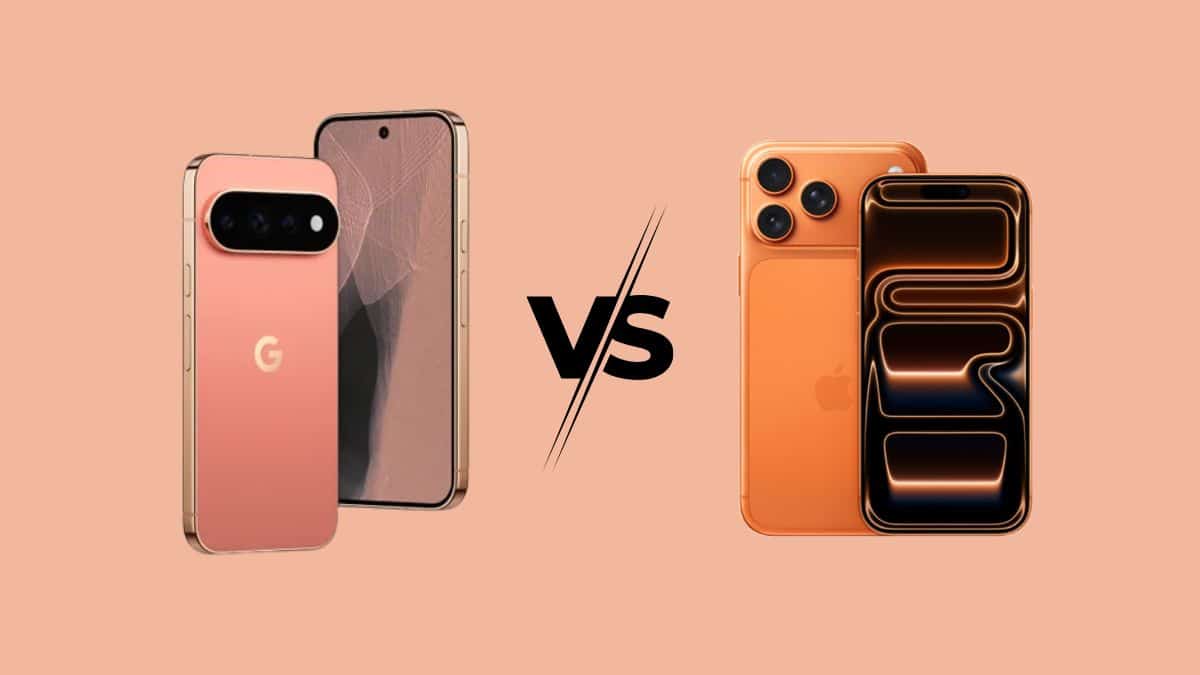
You’ve narrowed your next flagship phone down to two options, and for the first time in years, price is not the deciding factor. Both the Google Pixel 11 Pro and iPhone 17 Pro start at exactly $1,099.
That changes the conversation. Google built the Pixel lineup around offering premium hardware at a lower price than Apple’s Pro models. This year, that gap is gone. The decision now comes down to what you value more: Google’s AI-first approach, camera processing, and Android flexibility, or Apple’s ecosystem, performance, and long-term polish.
Google announced the Pixel 11 Pro on August 12, 2026, during its Made by Google event in New York City. Preorders opened the same day, with retail availability starting August 20, 2026. The iPhone 17 Pro has been available since September 19, 2025, giving it nearly a year of real-world testing, reviews, and software updates.
One phone is brand new. The other is a proven flagship approaching the final stretch of its product cycle. Here’s how the Pixel 11 Pro and iPhone 17 Pro compare, and which one makes more sense for your needs.
Pixel 11 Pro vs iPhone 17 Pro: Quick Comparison
| Feature | Google Pixel 11 Pro | iPhone 17 Pro |
|---|---|---|
| Starting price | $1,099 (256GB) | $1,099 (256GB) |
| Processor | Tensor G6 | A19 Pro |
| RAM | 12GB / 16GB depending on storage | 12GB LPDDR5X (reported) |
| Storage | 256GB, 512GB, 1TB | 256GB, 512GB, 1TB |
| Display | 6.3-inch Super Actua OLED | 6.3-inch Super Retina XDR OLED |
| Refresh rate | 1Hz to 120Hz | 1Hz to 120Hz ProMotion |
| Peak brightness | Up to 3,600 nits | Up to 3,000 nits |
| Main camera | 50MP | 48MP |
| Ultrawide camera | 48MP | 48MP |
| Telephoto camera | 48MP, 5x optical zoom | 48MP, 4x optical zoom |
| Front camera | 42MP | 18MP Center Stage |
| Battery | 4,850mAh | Around 4,000mAh |
| Wireless charging | 25W Qi2.2 Pixelsnap | 25W MagSafe/Qi2 |
| Software | Android 17 | iOS 26 |
| Software support | 7 years | 7 years |
Price and Availability: Both Start at $1,099
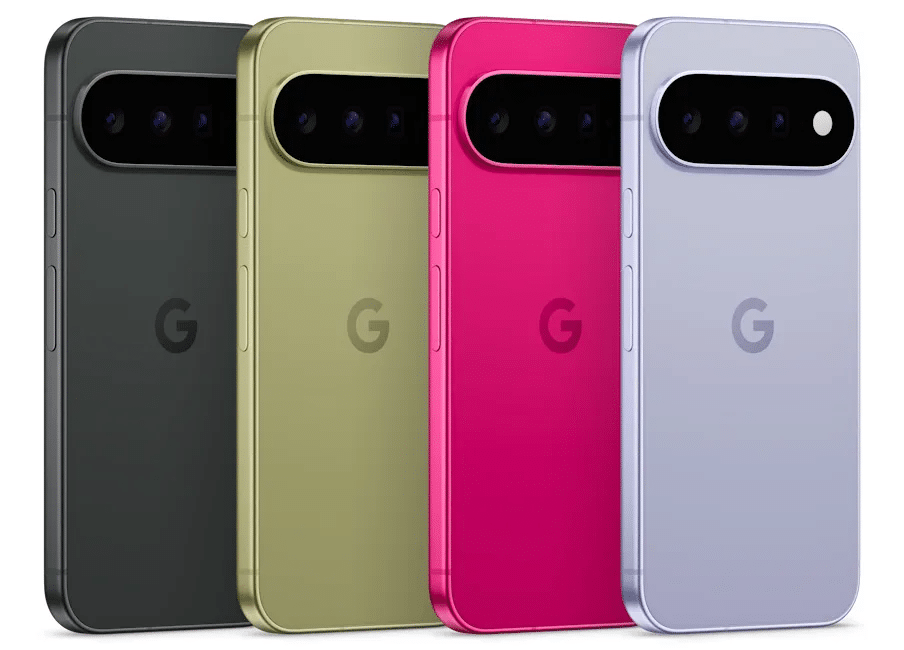
The Pixel 11 Pro starts at $1,099 with 256GB of storage. Higher storage models include:
- 512GB with 16GB RAM: $1,219
- 1TB with 16GB RAM: $1,499
The iPhone 17 Pro also starts at $1,099 for 256GB. Apple offers:
- 512GB: $1,299
- 1TB: $1,499
For the first time, the base pricing is identical. Google is no longer competing by being significantly cheaper, which means buyers have to look beyond the price tag. The Pixel 11 Pro is available for preorder through Google’s official store, Amazon, Best Buy, and carriers, with devices shipping from August 20, 2026.
The iPhone 17 Pro is already widely available, but timing matters. Apple is expected to introduce the iPhone 18 lineup in September 2026. If you’re considering the iPhone 17 Pro today, waiting a few weeks could make sense to see what Apple announces.
Display: Pixel 11 Pro Has the Brightness Advantage
Both phones use a 6.3-inch OLED display with adaptive 120Hz refresh rates, so everyday scrolling and animations feel equally smooth.
The biggest difference is brightness. The Pixel 11 Pro’s Super Actua display reaches up to 3,600 nits of peak brightness, while the iPhone 17 Pro’s Super Retina XDR display reaches around 3,000 nits. That difference matters most when using the phone outdoors under direct sunlight.
Google also improved durability with a new anti-scratch coating that it says offers more than twice the scratch resistance of the Pixel 10 Pro’s glass.
Apple’s display still has advantages. ProMotion remains one of the best adaptive refresh systems available, and iOS handles animations and transitions extremely well. The iPhone also maintains consistent color accuracy across Apple’s Pro lineup.
In normal indoor use, both displays look excellent. The Pixel 11 Pro’s advantage appears mainly when brightness and outdoor visibility matter.
Design: Refined Camera Bar vs New Camera Plateau
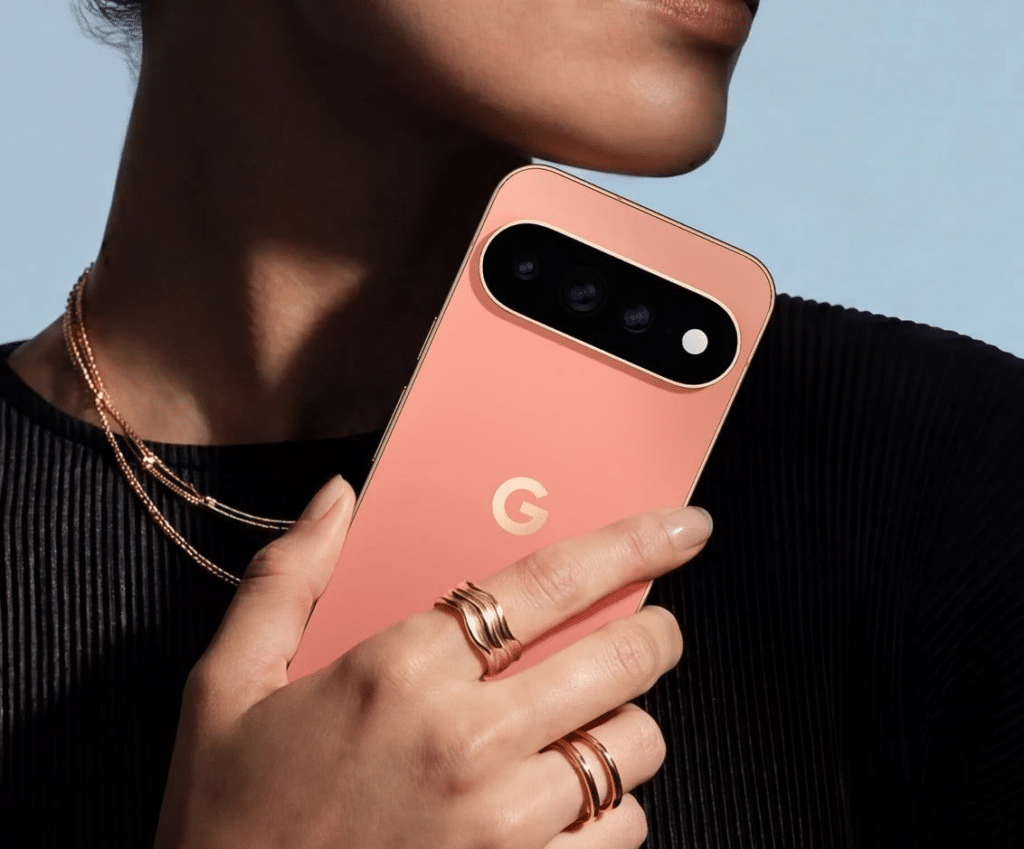
The Pixel 11 Pro keeps Google’s familiar horizontal camera bar design but adds a new RGB accent light around the module. The design feels like an evolution of the Pixel identity rather than a complete redesign.
If you’ve used recent Pixel Pro models, the Pixel 11 Pro will feel immediately familiar. The camera bar remains one of the phone’s most recognizable design elements.
Apple took a different approach with the iPhone 17 Pro. The company replaced the previous square camera bump with a wider horizontal camera plateau that stretches across more of the rear panel.
The change has divided opinions. Some users prefer the cleaner appearance, while others think the larger camera area makes the phone look less balanced.
Apple also moved away from titanium and returned to an aluminum frame design, which improves heat management but has raised concerns about scratches on some finishes.
Both phones offer:
- IP68 water and dust resistance
- Premium aluminum construction
- Flat display designs
- Similar flagship-level durability
The difference comes down to style preference. The Pixel feels like a refinement of an existing design, while Apple made a more noticeable visual change this generation.
Performance: Tensor G6 vs A19 Pro
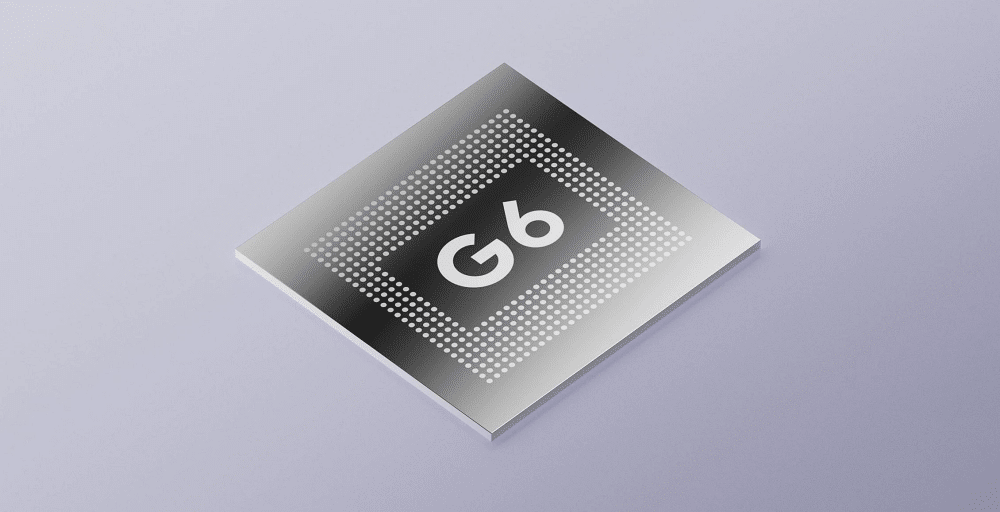
This is the most interesting part of the Pixel 11 Pro vs iPhone 17 Pro comparison because Google finally made a major change to its chip strategy.
The Pixel 11 Pro runs on Google’s Tensor G6, while the iPhone 17 Pro uses Apple’s A19 Pro chip. Both are flagship processors, but they are designed with different priorities.
The Tensor G6 features a seven-core CPU with a 4.1GHz prime core, four performance cores, and two efficiency cores. It also includes a new PowerVR GPU and Titan M3 security chip. According to reports from 9to5Google, the chip is built on TSMC’s 2nm process, giving Google an advantage in manufacturing technology.
The iPhone 17 Pro uses Apple’s A19 Pro chip built on TSMC’s 3nm process. Apple continues to lead in traditional benchmark performance, especially single-core speed and sustained performance during demanding tasks like gaming and professional video editing.
However, Google is focusing on a different area: on-device AI. The Tensor G6 includes a major TPU upgrade, with Google claiming up to 50% more AI compute than the previous generation. This helps features like Gemini Nano, real-time translation, image processing, and AI-powered editing run faster directly on the device.
The difference is simple:
- iPhone 17 Pro is better if you want maximum raw performance.
- Pixel 11 Pro is stronger if AI features and local processing matter more.
For everyday tasks like social media, browsing, messaging, and photography, both phones are fast enough that most users will not notice a major difference.
Cameras: Pixel Leads Zoom and AI Processing
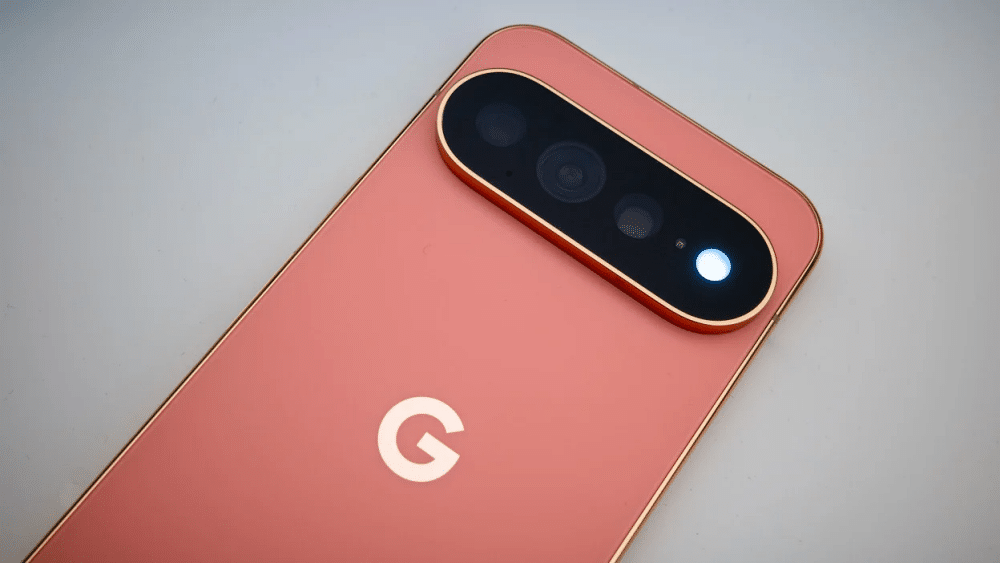
The biggest differences between these two phones appear in their camera systems.
The Pixel 11 Pro features:
- 50MP main camera
- 48MP ultrawide camera
- 48MP telephoto camera
- 5x optical zoom
- Up to 120x Pro Zoom
The iPhone 17 Pro also uses three 48MP cameras, but Apple changed its telephoto approach this year. The phone now offers 4x optical zoom instead of the previous 5x system, relying more on sensor processing for longer-range shots.
Google continues to focus on computational photography. The Pixel 11 Pro uses Tensor G6 processing to improve:
- Night Sight performance
- AI photo editing
- Zoom processing
- Real-time image enhancement
The front camera is another major difference.
The Pixel 11 Pro includes a 42MP selfie camera, while the iPhone 17 Pro uses an 18MP Center Stage front camera.
For selfies, group shots, and AI-enhanced portraits, Google’s higher-resolution sensor gives it a clear advantage on paper.
Apple still maintains an edge in professional video features. The iPhone 17 Pro supports advanced recording formats, including ProRes RAW and Dolby Vision workflows, making it a better choice for creators who edit video professionally.
If your priority is still photography, zoom, and AI camera features, the Pixel 11 Pro has the advantage. If video production matters more, the iPhone remains the safer choice.
AI Features: Gemini Has the Lead Right Now
This is where Google’s strategy becomes clearer.
The Pixel 11 Pro ships with Gemini integration built into Android 17. Google’s AI features are not just extra tools anymore; they are part of the everyday phone experience.
The Pixel 11 Pro includes:
- Gemini Nano running on-device
- AI-powered call assistance
- Magic Cue suggestions
- Advanced photo editing tools
- Real-time translation features
- AI-powered writing assistance
Pixel 11 Pro buyers also receive a six-month Google AI Pro subscription.
Apple Intelligence is available on the iPhone 17 Pro, but Apple’s bigger Siri AI upgrade has taken longer than expected. The redesigned Siri experience, which was expected earlier, is now reportedly tied to a future iOS update.
For buyers choosing a phone specifically because of AI features, the Pixel 11 Pro currently offers more complete functionality.
Apple’s advantage is ecosystem integration. Features like Siri, iCloud, AirDrop, Apple Watch connectivity, and Mac integration remain difficult for Android phones to match.
Battery Life and Charging: A Close Match
Battery life is harder to judge from specifications alone because both companies optimize hardware and software differently. The Pixel 11 Pro includes a 4,850mAh battery, while the iPhone 17 Pro uses a smaller battery paired with Apple’s efficient A19 Pro chip.
Google claims the Pixel 11 Pro can gain around 15 hours of usage from a 15-minute charge using a compatible 30W charger.
Charging support:
Pixel 11 Pro
- 30W wired charging
- 25W Qi2.2 wireless charging
- Pixelsnap magnetic charging
iPhone 17 Pro
- Up to 40W wired charging
- 25W MagSafe charging
- Qi2 support
Both phones offer fast wireless charging, but Google has an advantage with the broader Qi2.2 Pixelsnap ecosystem.
Apple still tends to deliver excellent battery consistency because it controls both hardware and software. The Pixel 11 Pro has improved efficiency with Tensor G6, but long-term battery testing will determine how close it gets.
Software Support: Finally a Tie
For years, Apple had a clear advantage in software support. That gap is now much smaller. Both phones offer seven years of software updates. The Pixel 11 Pro launches with Android 17, while the iPhone 17 Pro runs iOS 26. Google has improved its update commitment significantly, bringing Pixel closer to Apple’s long-standing support strategy.
The difference now comes down to the software experience itself. Choose iPhone if you prefer:
- iMessage
- FaceTime
- AirDrop
- Apple Watch integration
- A consistent app ecosystem
Choose Pixel if you prefer:
- Android customization
- Google services
- AI-powered features
- More control over your device
Neither platform is clearly better. They simply prioritize different experiences.
The Bottom Line: Which One Should You Buy?
The Pixel 11 Pro and iPhone 17 Pro are closer competitors than previous generations. Both cost $1,099, both offer flagship-level displays, both promise seven years of software support, and both have excellent camera systems. The decision is no longer about buying the cheaper premium phone. It comes down to which experience fits your daily habits.
Choose the Pixel 11 Pro if you want:
- Better zoom flexibility and computational photography
- A brighter display for outdoor use
- More advanced AI features available today
- Android customization and Google services
- A higher-resolution selfie camera
- Faster adoption of new AI-powered tools
Google’s biggest advantage is that Gemini is already deeply integrated into the Pixel experience. Features like AI editing, real-time translation, and on-device processing make the phone feel designed around AI rather than simply adding AI features on top.
Choose the iPhone 17 Pro if you want:
- The fastest raw performance
- Better professional video tools
- Apple Watch, Mac, and iPad integration
- iMessage and FaceTime
- A mature app ecosystem
- Consistent performance over years
Apple still leads when it comes to ecosystem integration and high-end performance. The A19 Pro remains one of the strongest mobile chips available, especially for demanding games and professional workflows.
For most buyers, the Pixel 11 Pro is the more interesting upgrade because Google finally closed some of the hardware gaps that held previous Pixel Pro models back. The brighter display, improved cameras, and stronger AI features make it a more competitive flagship than ever.
But if you’re already invested in Apple’s ecosystem, switching platforms still comes with real compromises. A great camera and smart AI features are not enough to replace the convenience of AirDrop, iMessage, Apple Watch, and years of iOS habits.
The Pixel 11 Pro is the better choice for people who want their phone to feel smarter. The iPhone 17 Pro remains the better choice for people who want their phone to work seamlessly with everything they already own.
Neither is the universal winner. The better phone is the one that matches how you actually use it every day.