
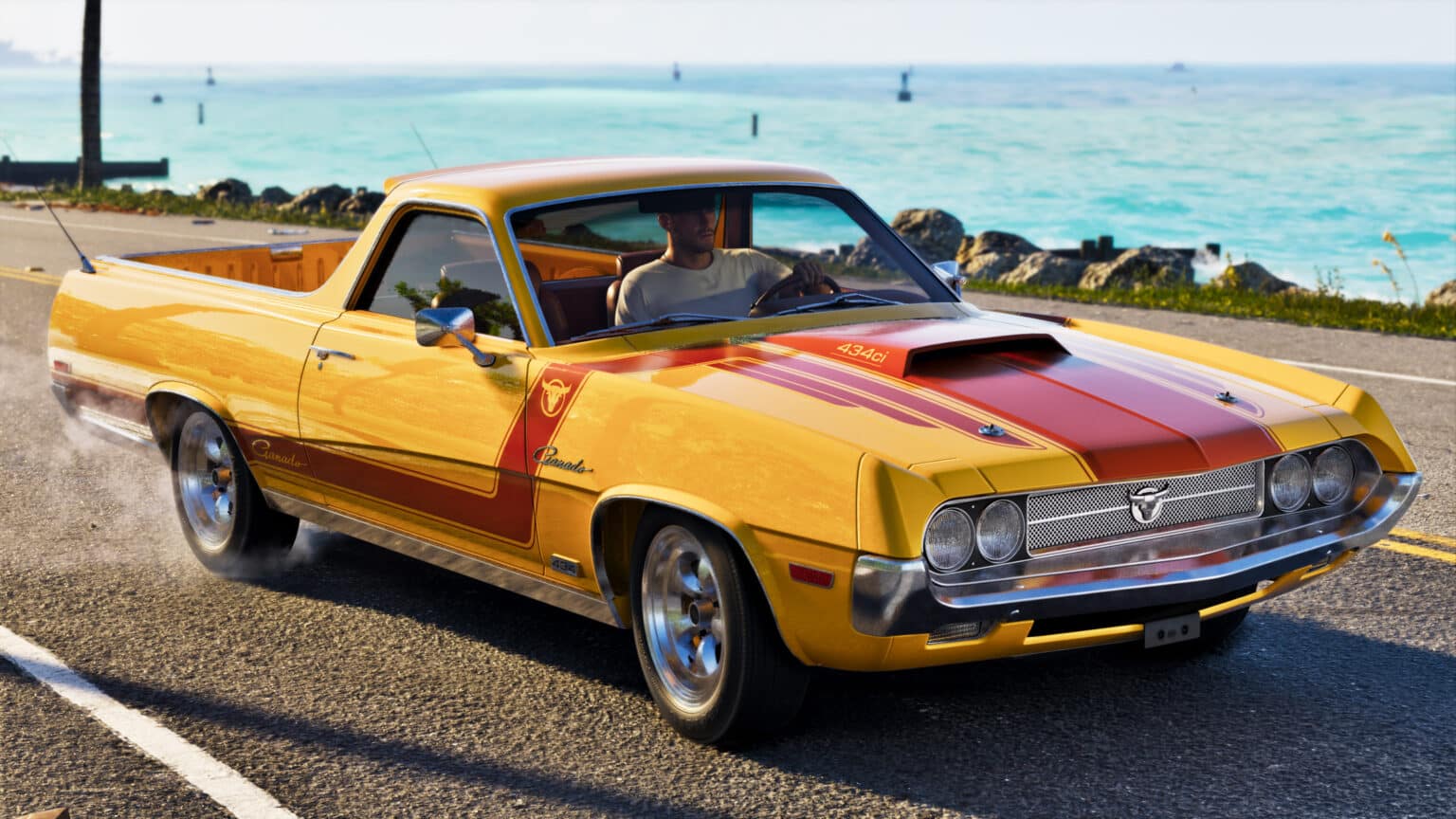
Grand Theft Auto 6 launched for PS5 and Xbox Series X|S, and its driving is the most talked-about change from GTA 5. Cars no longer stick to the road like slot cars. They carry weight, shift it under braking and punish you for flooring the throttle.
Rockstar North co-studio head Rob Nelson described the goal as GTA 4’s weight with GTA 5’s accessibility. Asked if the driving feels weighty, he answered, “Only in the best way possible.” Nelson also said the game was built from scratch on current hardware, giving the team finer control over the drivetrain, tyres, suspension and steering.
What changed in GTA 6’s driving physics

The short version: every car now runs on its own simulated parts instead of a shared grip profile. Drivetrain layout, tyre type and suspension setup decide how a vehicle behaves, not just its top speed.
Reviews back this up. IGN called the handling “the strongest it’s ever been in the series,” and Digital Foundry compared parts of the car simulation to Gran Turismo and Forza. Rockstar also reportedly brought real racing drivers into the handling team, according to an interview with Dazed Digital.
| Trait | GTA 4 | GTA 5 | GTA 6 |
|---|---|---|---|
| Body roll and weight transfer | Heavy, floaty | Minimal | Visible, but controlled |
| Grip | Low | High, forgiving | Varies by car and surface |
| Throttle and brake | Mostly on/off | On/off | Pressure-sensitive matters |
| Damage effect on handling | Moderate | Mostly cosmetic | Engine, wheels and alignment |
| Fuel | None | None | Fuel and EV charging |
How weight and suspension work
Cars now pitch forward under hard braking and lean through corners. Rockstar developers told press that even passengers can shift a car’s balance. Brake discs glow red after heavy use and cool down as air flows over them.
Tall pickups and ladder-frame SUVs feel top-heavy. Take a sharp corner at speed and the outer springs load up, pushing the body toward a rollover. If you do flip, you can no longer rock the car back upright from inside, so check our guide on how to flip your car in GTA 6.
Why drivetrain decides how each car feels
Rear-wheel-drive muscle cars have heavy noses and loose rear ends. Jason’s starter Vapid Ganado sets the tone: press the throttle hard and the rear breaks loose, sometimes spinning the truck on the spot.
European sports cars sit at the other end. They grip hard, brake predictably and show little body roll, which makes them the safest picks for weaving through Vice City traffic. EVs such as the Coil Raiden deliver instant torque from a standstill, unlike the gradual build of a petrol engine. If raw pace is your priority, our list of the fastest cars in GTA 6 ranks the top 10.

How surfaces and weather affect grip
Wet tarmac lengthens stopping distances and breaks traction sooner. Low-profile tyres dig into sand, mud and shallow water, killing speed even at full throttle. Lifted trucks handle the same terrain with full suspension travel.
Roads are also narrower than in GTA 5, and AI drivers are denser and less predictable. That combination makes precise lines matter far more than in Los Santos.

What crash damage does to handling
Damage is no longer mostly cosmetic. Panels come loose, mirrors snap off and windows shatter. More importantly, a hard hit can damage the engine or tear off a wheel.
Side impacts and suspension damage can make a car pull to one side on a straight road. Repeated front-end hits wear down engine health until the car fails. That said, early impressions suggest battered cars stay drivable longer than you might expect. Spectacular crashes also trigger a slow-motion replay.
How fuel and charging work
A fuel gauge sits in the lower-left of the HUD, and a warning appears below a quarter tank, pointing you to the nearest station. Exotics and muscle cars burn fuel faster than commuter cars. EVs recharge in a few seconds at stations spread across the map. Our GTA 6 HUD guide covers every meter on screen.
How to drive better with the new physics
Most early frustration comes from treating GTA 6 like GTA 5. These habits fix it:
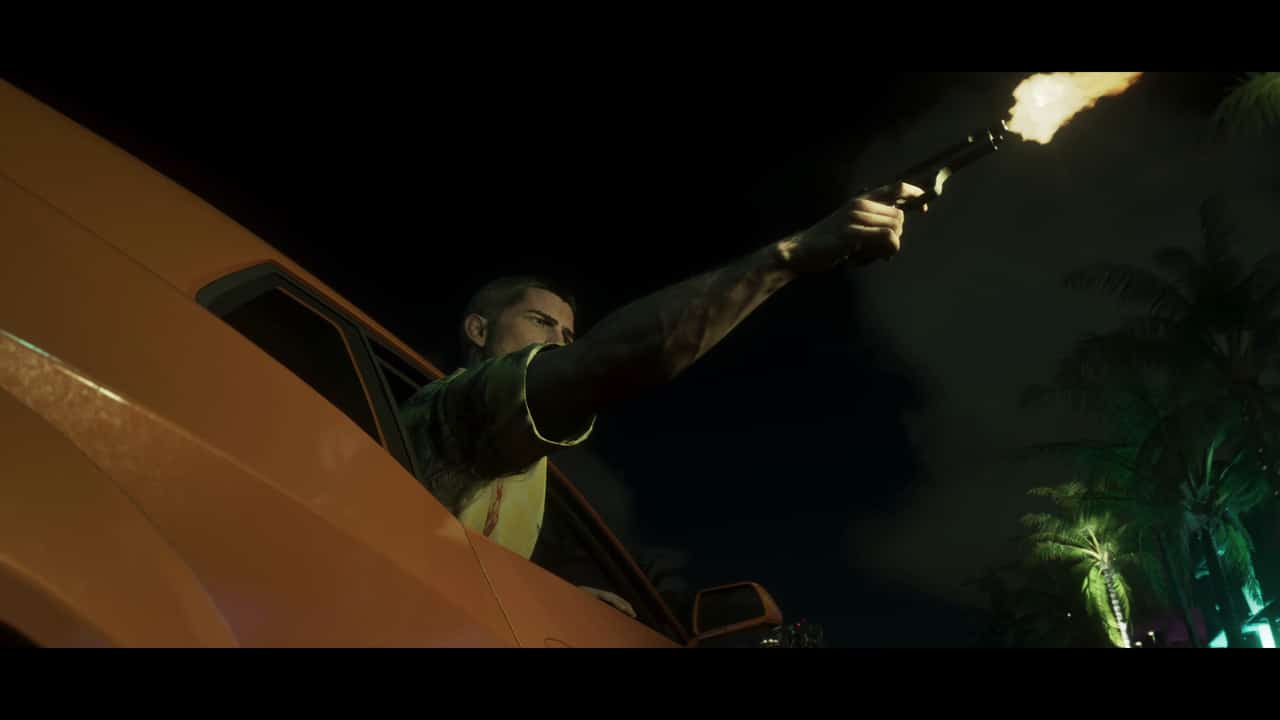
- Feather the throttle. Triggers are pressure-sensitive, so partial input keeps rear-drive cars straight. Holding R2 or RT fully on the Ganado is why it feels like driving on ice.
- Brake before the corner, not in it. Weight transfer makes mid-corner braking unsettle the car.
- Match the car to the job. Use grippy sports cars in the city, lifted trucks off-road and avoid tall SUVs for high-speed chases.
- Repair early. A car pulling to one side has suspension damage, so fix it before a mission or police chase.
- Tune for handling. Mod shops change a car’s stats and handling, not just its looks. See what’s available in our GTA 6 vehicle customization breakdown.
The catch: Motorcycles and the 30fps cap
Not everything landed. IGN called motorcycle handling upright and stiff compared to earlier games. Digital Foundry noted the 30fps cap dulls input responsiveness, and The Guardian criticised controls that sometimes clash with what you intend, like flipping a car after clipping a kerb.
Rockstar has not confirmed a manual transmission or adjustable driving assists. The PS5 settings worth changing can still help with camera and control comfort.
Wrapping up
GTA 6 does not turn into a racing sim. It sits closer to GTA 5’s fun than GTA 4’s heft, but cars now have personality, and your inputs matter.
Expect tuning tweaks in future patches, especially for motorcycles. Before you commit to a favourite ride, remember you need to register stolen cars to keep them.
It sits between the two. Rockstar aimed for GTA 4’s weight with GTA 5’s accessibility, and most reviewers say the final feel leans slightly toward GTA 5.
Yes. Hard crashes can damage the engine, remove a wheel or bend suspension, which makes the car pull to one side.
Yes. Petrol cars use fuel at gas stations, and EVs charge in a few seconds at charging stations across Leonida.
The triggers are pressure-sensitive. Fully pressing the throttle in a rear-wheel-drive car like the Vapid Ganado breaks rear traction, so ease into it.
Rockstar has not confirmed a manual gearbox or driving assist options as of November 25, 2026.