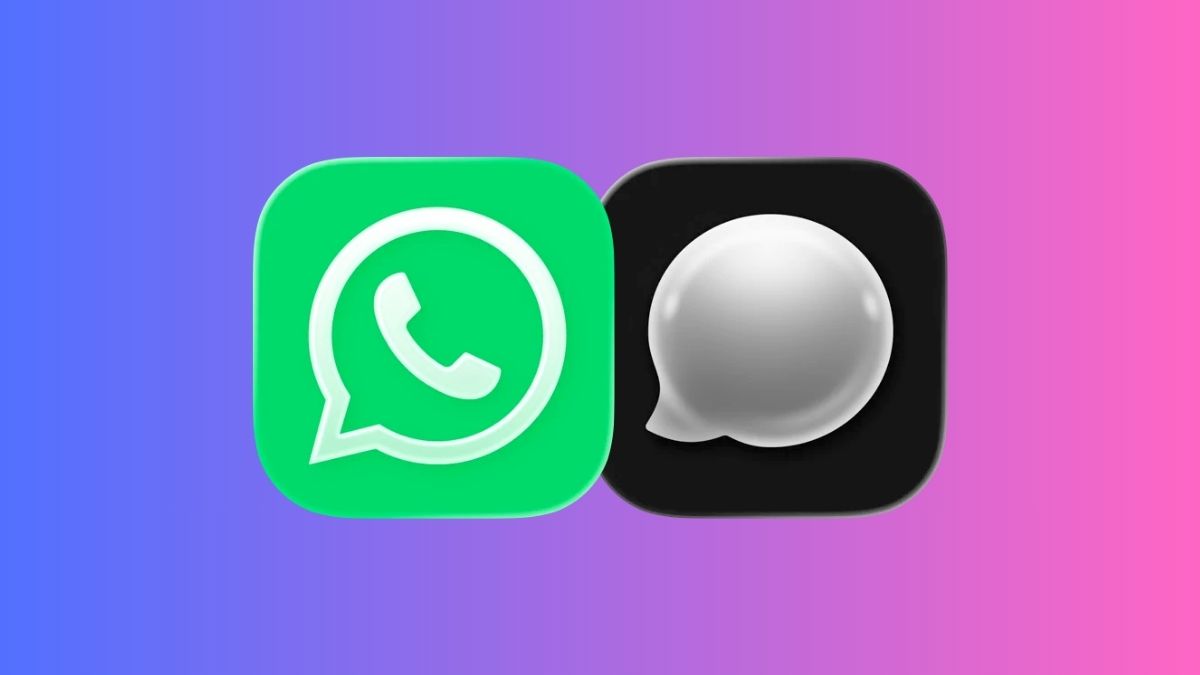
Messaging apps aren’t just about sending texts anymore. They’re about trust. And in 2026, trust is harder to earn than ever.
When Elon Musk introduced XChat as part of his “everything app” vision for X (formerly Twitter), reactions were immediate. Some saw it as the next evolution of communication. Others questioned whether a social platform could realistically compete with something as established as WhatsApp.
Underneath all the noise, one question matters: Which app actually protects your conversations?
Let’s break it down without the hype.
What Is XChat and Why It Matters
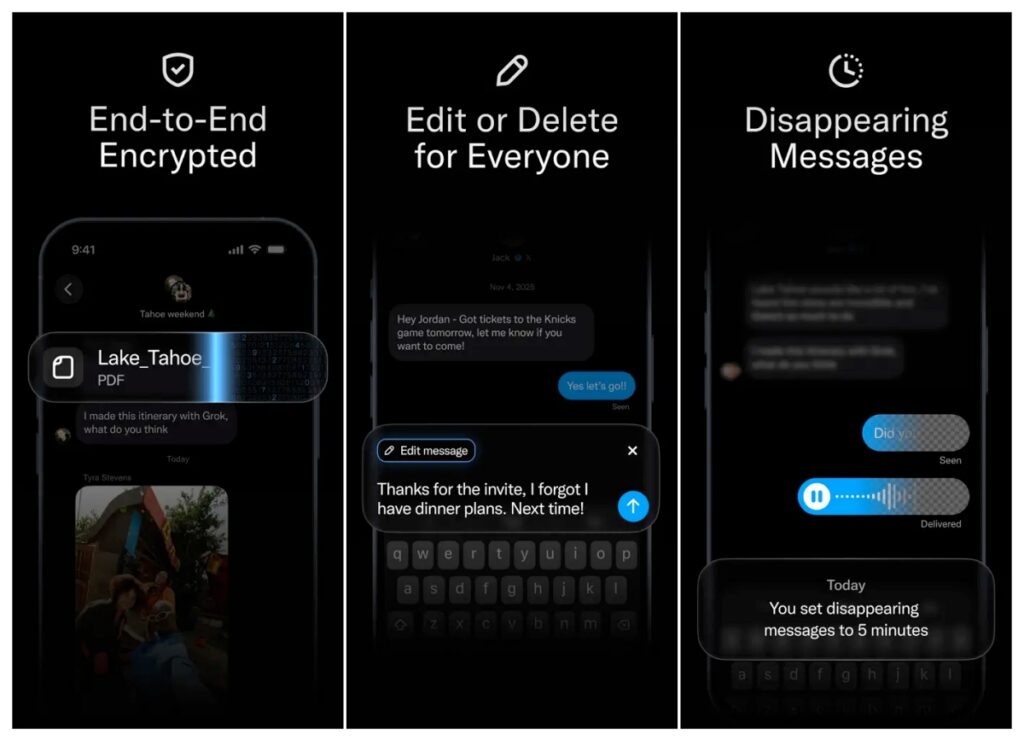
XChat is not just another messaging feature. It’s a core part of Musk’s attempt to turn X into a full ecosystem.
It supports:
- One-on-one and group chats
- File sharing
- Audio and video calls
- Vanishing messages
From a technical standpoint, it’s built using Rust, which is known for performance and memory safety. X also claims to use “Bitcoin-style” encryption.
On paper, that sounds strong. In practice, it raises questions.
Unlike WhatsApp’s established end-to-end encryption model, XChat’s approach is still evolving and not fully transparent. More importantly, the most secure features, including encryption and passcode protection, are locked behind X Premium.
That creates a clear gap: Not every user gets the same level of security.
WhatsApp: Still the Benchmark for Secure Messaging
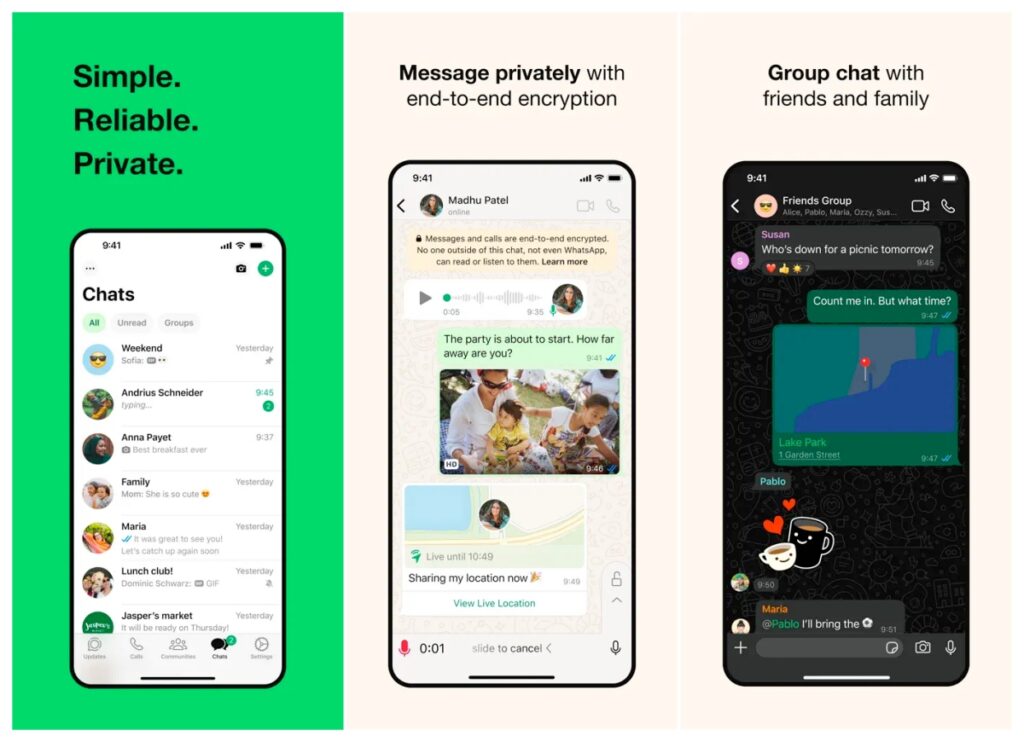
WhatsApp didn’t reach over two billion users by accident. It built that scale by consistently delivering on one core promise: private communication.
Every message, call, and media file is end-to-end encrypted by default. No subscriptions, no toggles, no conditions.
Additional layers include:
- Encrypted backups
- Disappearing messages
- Two-step verification
Even Meta can’t read your messages.
The tradeoff is metadata collection. WhatsApp knows who you talk to and when, but not what you say. For most users, that’s acceptable. For some, it’s not.
But from a reliability standpoint, WhatsApp’s encryption is proven, audited, and widely trusted.
XChat vs WhatsApp: Feature Comparison
| Feature | XChat | |
|---|---|---|
| Encryption | End-to-end (paid users), evolving model | End-to-end by default for all users |
| Privacy Controls | Passcode lock, vanish mode, unread toggle | Disappearing messages, 2-step verification |
| File Sharing | All file types supported | Standard media and documents |
| Platform Integration | Built into X ecosystem | Standalone messaging app |
| Accessibility | Key features behind paywall | Free for all users |
| Future Vision | AI + social + messaging integration | Focused communication platform |
Privacy and Security: Where Things Actually Stand
This is where the comparison becomes clear.
XChat is ambitious. It introduces features that suggest a privacy-focused direction, but it hasn’t proven itself yet. The encryption model is still being defined, and access to it is limited.
There’s also the platform’s history to consider. X has faced security concerns and data issues in the past, which makes “evolving encryption” harder to trust.
WhatsApp, on the other hand, has a long-standing, widely reviewed encryption system. It’s not perfect, but it’s consistent and available to everyone.
So if you’re choosing purely based on privacy:
WhatsApp is still the safer bet in 2026.
That said, XChat offers something different. It blends messaging with social interaction, which WhatsApp intentionally avoids.
Who Should Use XChat
XChat makes sense if:
- You already spend most of your time on X
- You’re using X Premium and want all features unlocked
- You’re interested in AI-driven communication and future integrations
It’s less about replacing WhatsApp and more about expanding how you communicate within a single platform.
Who Should Stick With WhatsApp
WhatsApp remains the better choice if:
- Privacy is your top priority
- You need a free, universally accessible messaging app
- You prefer a focused experience without social distractions
It’s reliable, familiar, and works consistently across regions and devices.
The Bigger Picture
XChat isn’t trying to be a direct WhatsApp clone. It’s trying to redefine messaging inside a broader ecosystem.
That’s what makes it interesting.
But today’s comparison isn’t about potential. It’s about what works right now.
- WhatsApp is stable, secure, and accessible to everyone.
- XChat is promising, but still developing.
- If the goal is secure communication today, WhatsApp still leads.
- If the goal is exploring where messaging might go next, XChat is worth watching.
Just not worth fully switching to yet.
Final Take
This isn’t a case of one app replacing the other.
It’s a shift in how messaging platforms are evolving.
- WhatsApp represents stability and trust.
- XChat represents ambition and integration.
Right now, trust still wins.
Not for all users. Encryption exists, but it’s limited to X Premium subscribers. WhatsApp provides it by default to everyone.
Yes, but with limited functionality. Advanced privacy features are behind a subscription.
WhatsApp. Its encryption model is established, widely tested, and available to all users, making it the more reliable option right now.
You might also like: