
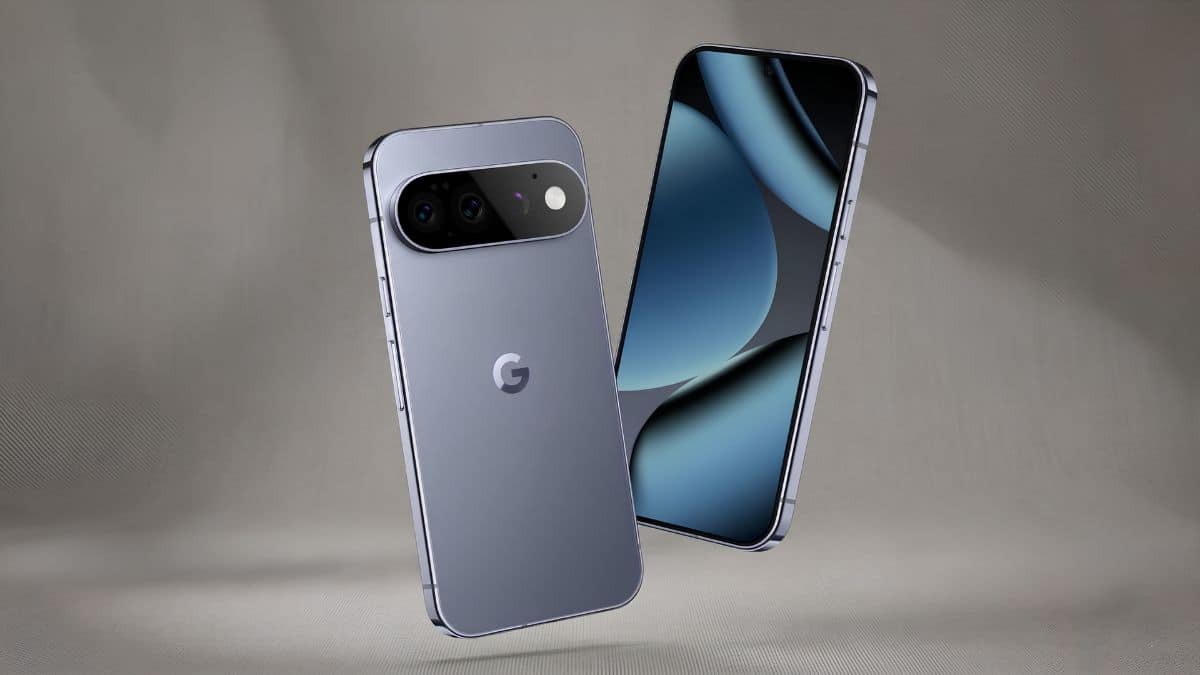
Last week’s phone news was about spending less and getting more battery for your money. This week flips that entirely. Between August 10 and August 16, 2026, the smartphone calendar clears out almost everything else to make room for one genuinely massive keynote and two launches out of China that are stranger, and arguably more interesting, than another routine spec-sheet bump.
The headline event is obvious: Google’s Made by Google keynote on August 12, where the Pixel 11 series will finally become official after months of leaks. But the same week also brings Redmi’s answer to rising flagship chip costs and Honor’s first phone with a camera that can physically move on its own.
Three companies, three completely different theories about what makes a phone worth buying in 2026. Here’s what’s actually launching this week, what we expect from each phone, and which announcements are worth paying attention to.
Phones Launching This Week: August 10–16, 2026
Here’s the launch schedule before we get into the details:
- August 11: Redmi K100 Pro and K100 Pro Max, launching in China.
- August 12: Google Pixel 11 series, expected to include the Pixel 11, Pixel 11 Pro, Pixel 11 Pro XL, and Pixel 11 Pro Fold, unveiled at Google’s Made by Google event in New York City. Pixel Watch 5 is also expected alongside the phones.
- August 12: Honor Robot Phone, launching in China, with broader global availability still unclear.
Worth knowing: none of these launches necessarily means immediate worldwide retail availability. Google’s Pixel event is global, and Google has already confirmed that Pixel 11 pre-orders begin August 12, but actual shipping and regional availability can vary. The Redmi K100 Pro series and Honor Robot Phone are China-first launches, with their wider international availability still to be confirmed.
Google Pixel 11 Series Launches on August 12
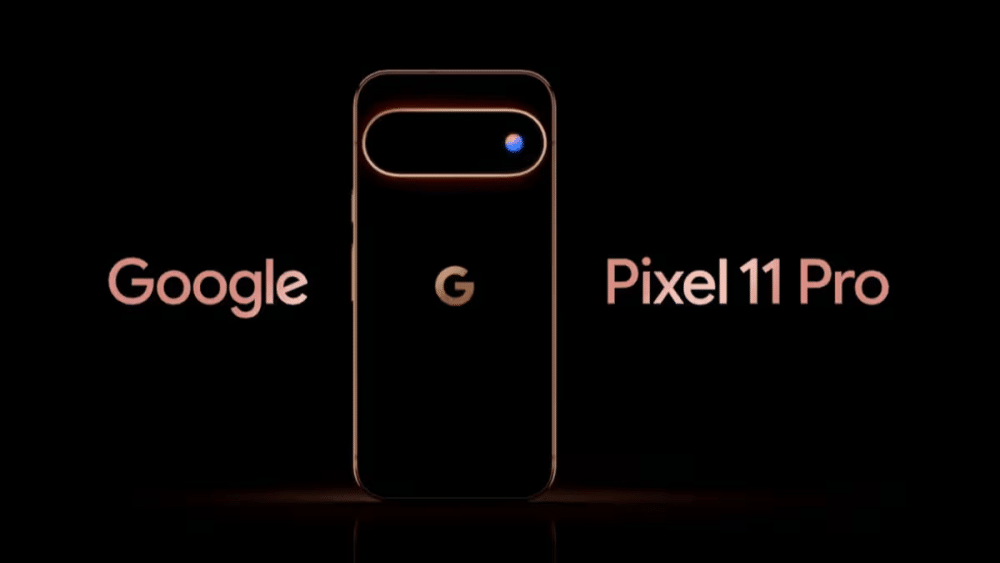
If you’ve been tracking Pixel leaks since spring, August 12 is the day all of them either get confirmed or corrected.
Google is hosting its Made by Google event in New York City at 6:00 PM ET (3:00 PM PT). Google has officially confirmed the Pixel 11 branding and August 12 pre-orders, while the broader lineup is widely expected to include the Pixel 11, Pixel 11 Pro, Pixel 11 Pro XL, and Pixel 11 Pro Fold.
The Pixel Watch 5 is also expected to appear at the event.
Tensor G6 could be the Pixel 11’s biggest internal upgrade
Tensor G6, reportedly built on a 2-nanometer process, is expected to power the Pixel 11 lineup, though Google hasn’t officially confirmed the chipset yet.
That distinction matters here. A lot of coverage this month has already treated Tensor G6 as settled fact, but until Google confirms it on stage, it’s still a very well-sourced rumor rather than an official specification.
The same applies to storage. Multiple reports point to Google dropping the 128GB base tier on at least some Pixel 11 models, potentially making 256GB the new starting point. That would be a meaningful upgrade for anyone who has hit the dreaded “storage almost full” warning two years into owning a phone.
Whether Google applies 256GB as the minimum across the entire lineup is something we’ll know for certain on August 12.
Pixel 11 pricing remains one of the biggest questions
Pricing tells a similar story of confirmed versus rumored information.
Reports have pointed to price increases for at least some Pixel 11 models, but final US pricing has not yet been announced by Google. That makes any dollar figure circulating before the keynote an estimate rather than something buyers should treat as final.
Google has, however, confirmed that Pixel 11 pre-orders will begin on August 12 through the Google Store.
For buyers in India, the timing is slightly different from what the US event date might suggest. The 6 PM ET keynote translates to the early hours of August 13 in India, so that’s when Indian buyers will actually be watching the announcements unfold live. Regional pricing, storage configurations, pre-order offers, and shipping dates should become clearer once Google formally reveals the lineup.
Pixel Glow could bring notification lights back
The other detail worth flagging is the rumored notification-light feature often referred to as Pixel Glow or HiLight.
The feature has reportedly surfaced through software clues and leaks suggesting that part of the Pixel 11’s camera area could illuminate for notifications when the phone is placed face-down.
It’s a strong rumor, but still not an officially announced Pixel 11 feature.
If it ships, it solves a genuinely small but real annoyance: picking up your phone reflexively just to check whether you missed something important. If it doesn’t make the final cut, nobody who wasn’t already reading Pixel leak roundups will know it was ever being considered.
For the full breakdown of what’s confirmed versus what’s still a leak, TechNerdiness has been tracking the Pixel 11 release date, pricing, and Pixel Glow details as they’ve surfaced.
Redmi K100 Pro Series Launches on August 11
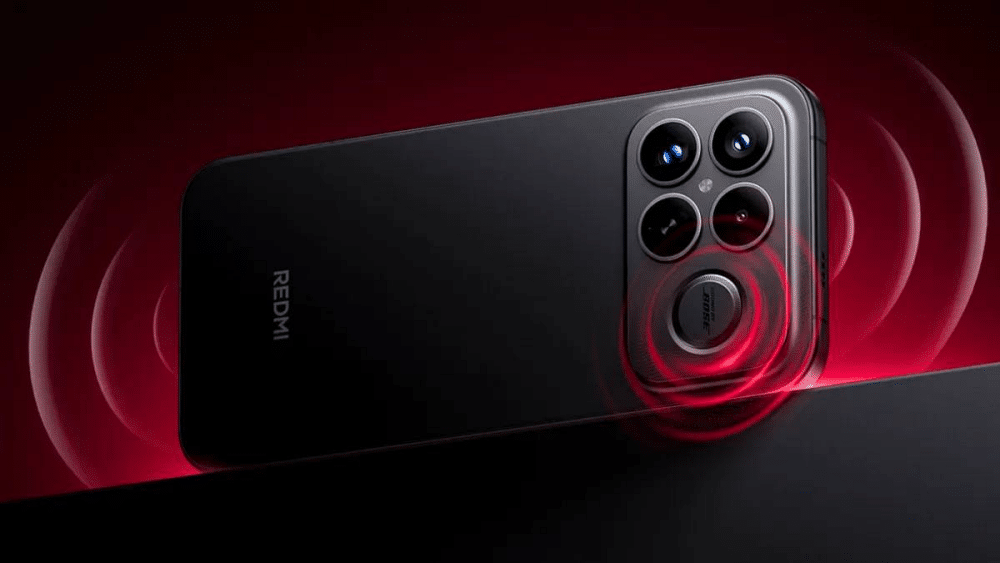
The Redmi K100 Pro and K100 Pro Max launch in China on August 11, one day ahead of Google’s event, and the chipset inside the standard K100 Pro may be the more interesting story.
The K100 Pro is expected to run on the new Snapdragon 8 Elite Gen 5V, a variant designed to bring near-flagship performance to a lower price point without simply reusing an older-generation processor.
The important part is how Qualcomm appears to have made that compromise.
Rather than dramatically cutting CPU performance, the Gen 5V reportedly retains much of the flagship chip’s CPU architecture while reducing GPU resources. That should allow manufacturers such as Redmi to offer strong everyday and gaming performance while keeping the phone below the pricing of devices using Qualcomm’s full flagship silicon.
In practice, the difference is likely to become most visible in graphically demanding games rather than everyday use. Lighter competitive titles should still run extremely well, while heavier games could expose the reduced GPU resources during demanding scenes.
That’s a genuinely smart way to manage rising chip costs rather than quietly downgrading the entire phone, and it’s worth paying attention to even if you never buy this exact device. If the strategy works, it could preview how other Android manufacturers handle increasingly expensive flagship silicon.
Redmi K100 Pro expected specifications
The K100 Pro is expected to pair its new chipset with a 6.59-inch OLED display running at up to 185Hz, while the larger K100 Pro Max is tipped to use a roughly 6.9-inch display.
Leaks and early information have also pointed toward unusually large batteries and high-end camera hardware, keeping with Redmi’s recent strategy of packing near-flagship specifications into devices priced below conventional premium phones.
Pricing for the standard K100 Pro has been tipped at around CNY 4,000, but final configurations and prices should be treated as provisional until Redmi confirms them at launch.
There’s also no confirmed international release timeline yet. Based on Redmi and POCO’s previous strategy, however, the K100 series is worth watching even outside China because some of its hardware could eventually appear globally under different branding.
Honor Robot Phone Launches on August 12
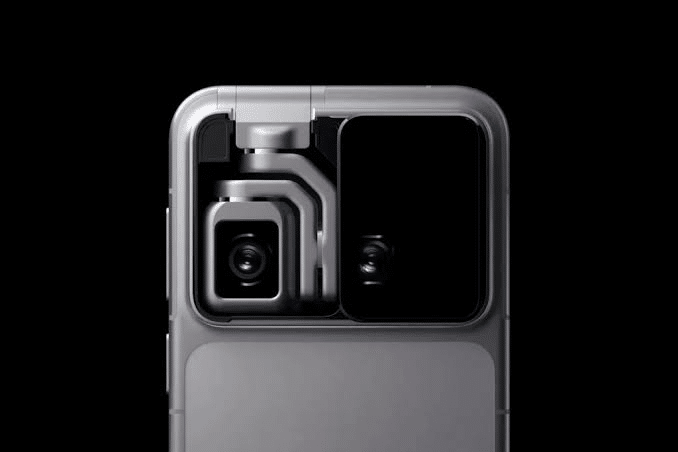
Then there’s the Honor Robot Phone, which is expected to make its formal China debut on August 12, the same day as Google’s event, and it represents the closest thing to genuine hardware experimentation on this week’s list.
Honor has already shown the device publicly, so the moving camera isn’t a rumor or a concept render. It’s real hardware.
The defining feature is a motorized camera system that physically extends from the phone’s body using what Honor calls a 4DoF, or four degrees of freedom, gimbal system. Instead of keeping the main camera permanently fixed inside the rear housing, Honor lets it move and react to what’s happening around the device.
Honor says the system combines a three-axis gimbal with additional robotic movement, allowing the camera to track subjects, stabilize footage, and even perform expressive motions such as nodding or shaking.
That’s dramatically different from the software-only stabilization and AI tracking most smartphones rely on today.
SpinShot turns the moving camera into a creative tool
Honor is also building software specifically around that hardware.
Its AI SpinShot feature supports 90-degree and 180-degree rotational movements, allowing users to capture spinning cinematic shots without manually rotating the phone or attaching it to a separate gimbal.
That might sound gimmicky until you consider who this phone is really aimed at.
For vloggers and content creators, carrying a phone with its own motorized tracking and stabilization hardware could eliminate the need for a separate handheld gimbal in certain situations. For everyone else, the appeal is less practical and more about seeing a smartphone manufacturer attempt something genuinely different.
Honor is working with ARRI on the camera system
Honor has also partnered with ARRI, the German cinema-camera company whose equipment is widely used in professional film production.
The partnership is intended to bring ARRI’s imaging and color expertise into Honor’s mobile camera system. Honor has already confirmed that the Robot Phone will be used as a showcase for its next-generation imaging platform, although the exact production-ready camera modes and specifications will become clearer at launch.
This is where it’s worth separating confirmed technology from leaked specifications. Honor has officially demonstrated the 4DoF gimbal system, AI SpinShot, robotic motion controls, and ARRI collaboration. Other details circulating ahead of launch, including final camera specifications, processor, memory configurations, price, and exact commercial availability, should still be treated as provisional until Honor confirms them.
Who is the Honor Robot Phone actually for?
Content creators are the obvious audience, particularly people who already carry a separate smartphone gimbal for tracking shots, vlogging, or short-form video.
There’s also a second audience: anyone curious about where smartphone cameras go once adding another lens or another hundred megapixels stops feeling interesting.
The Robot Phone attempts to answer that question with movement.
Whether people actually want mechanical camera hardware sticking out of their phones is another question entirely. Moving components introduce obvious concerns around durability, water resistance, repairability, and long-term reliability that conventional camera modules don’t have to deal with.
That’s what makes this launch worth watching.
It’s the kind of phone that generates headlines regardless of how many people eventually buy one, and this week, that’s exactly what it’s doing.
What Else Is Worth Knowing About This Week’s Phone Launches?
There’s no major India-specific budget launch dominating this week’s calendar. After last week’s crowded run of the Samsung Galaxy F70 Pro, POCO M8 Power, vivo S2, and Redmi Note 17, the mainstream mid-range segment gets a little quieter.
Instead, this week is heavily concentrated around premium and experimental devices.
Two of the week’s three major launches are also China-first. If you’re outside China, the Redmi K100 Pro series and Honor Robot Phone are worth watching primarily as signals of where smartphone hardware may go next, rather than as phones you’ll necessarily be able to order immediately.
Google is the exception.
The Pixel 11 series is the launch with the clearest international relevance, and Google’s own pricing confirmation remains one of the biggest unanswered questions going into August 12. The launch date is official. Pre-orders beginning August 12 are official. The Pixel 11 itself is official.
Many of the specifications circulating online still aren’t.
Put together, that’s the actual shape of this week: one major global keynote, two unusual China-focused launches, and more unanswered pricing and specification questions than you might expect this close to launch.
Which Phone Launch Matters Most This Week?
This week isn’t really a spec race so much as three different bets on what smartphones need next.
Google is betting on AI, software polish, and a Pixel formula most people already understand. Redmi is betting that smarter chip selection can keep high-end gaming performance affordable even as flagship silicon becomes more expensive. Honor is betting that smartphones can still surprise people with hardware they’ve never seen before, in this case, a camera that physically moves.
Only one of those bets is immediately relevant to buyers across a wide range of markets.
So, if you’re shopping for a new phone right now, Google’s August 12 Pixel 11 event is the one that matters most.
If you’re more interested in where smartphone hardware could be heading over the next year or two, however, Redmi and Honor might end up being the more interesting launches to watch.
Which of these three approaches do you think has the best chance of shaping smartphones over the next year?