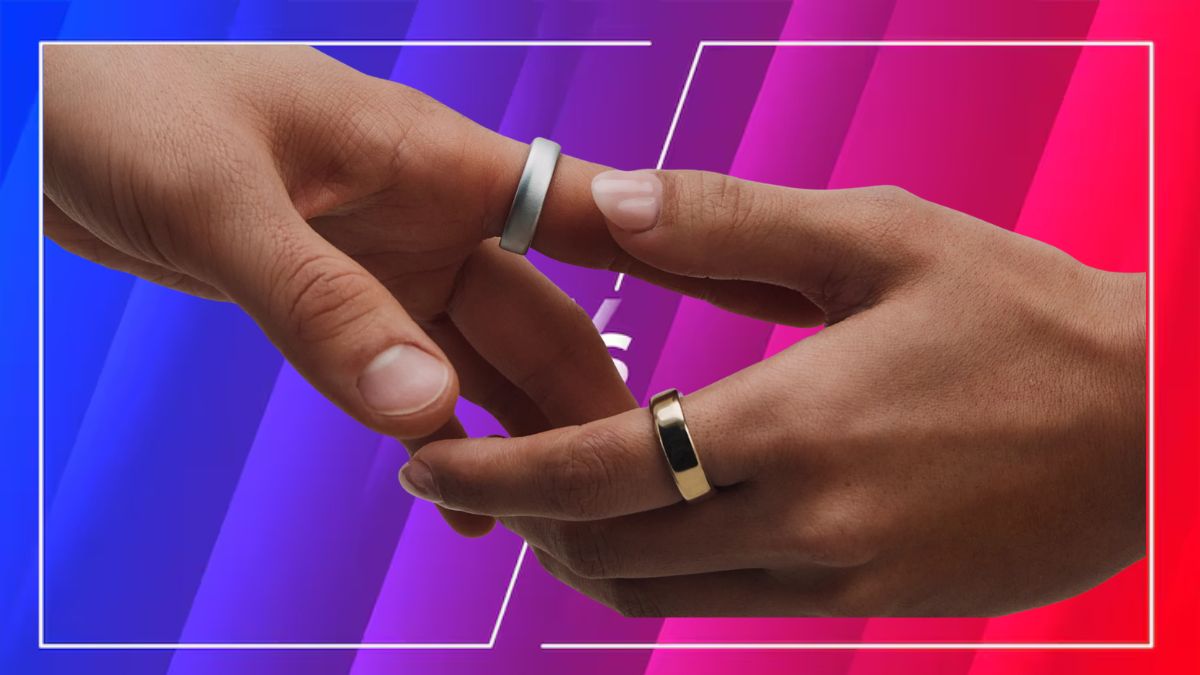
If you’ve been sitting on the fence about the Oura Ring, the timing just got interesting. Oura officially announced the Ring 5 on May 28, 2026, and it started shipping June 4. After wearing Oura continuously since the Gen 3 days, I can tell you this isn’t just a spec bump. It’s the most wearable version they’ve ever made.
But here’s the honest take most comparison pieces skip: for existing Ring 4 owners, the decision is less obvious than Oura’s marketing would have you believe. This guide cuts through that.
Oura Ring 5 vs Ring 4: Full Specs Compared
Before diving into the nuances, here’s a side-by-side look at what’s actually changed on paper:
| Specs | Oura Ring 5 | Oura Ring 4 |
|---|---|---|
| Width | 6.09mm | 7.90mm |
| Thickness | 2.28mm | 2.88mm |
| Weight | From 2g | 3.3–5.2g |
| Battery Life | 6–9 days | 5–8 days |
| Size Range | 6–13 | 4–15 |
| Build | Titanium, 100m waterproof, enhanced scratch-resistant PVD coating | Titanium, 100m waterproof |
| Sensors | Redesigned layout, same core set | Same core set |
| Starting Price | $399 / £399 | $349 / £349 |
| Membership | $5.99/mo (required) | $5.99/mo (required) |
The numbers tell part of the story. The lived experience tells the rest.
Price and Where to Buy
The Ring 5 starts at $399 / £399 for standard finishes, stepping up to $499 for premium colorways: Gold, Stealth, Brushed Silver, and Deep Rose. The Ring 4, by comparison, starts at $349 / £349, and now that the Ring 5 is out, expect to see discounts on Ring 4 stock at retailers like Amazon and Best Buy.
Every purchase includes a charger and a free month of the Oura membership (then $5.99/month). One new addition: a dedicated charging case for the Ring 5, priced at $99. It holds about a month of battery power and, unlike anything Ring 4 users had, supports wireless charging. It’s a genuinely nice travel companion if you hate hunting for the ring’s proprietary charger in a bag.
A quick note on sizing: Oura strongly recommends ordering a sizing kit before buying the Ring 5. The new profile is narrow enough that your Ring 4 size may no longer be accurate. Don’t skip this step.
The Design Shift Is the Real Story
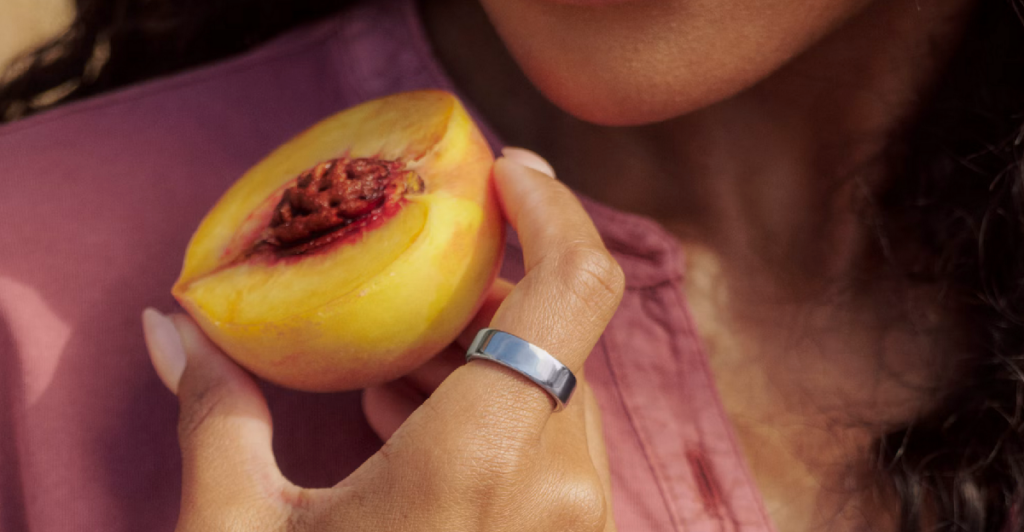
Let’s be direct about what Oura Ring 5 vs Ring 4 really comes down to: the Ring 5 is a hardware comfort upgrade, full stop. The tracking improvements are real but incremental. The design change, however, is the most meaningful hardware evolution Oura has made.
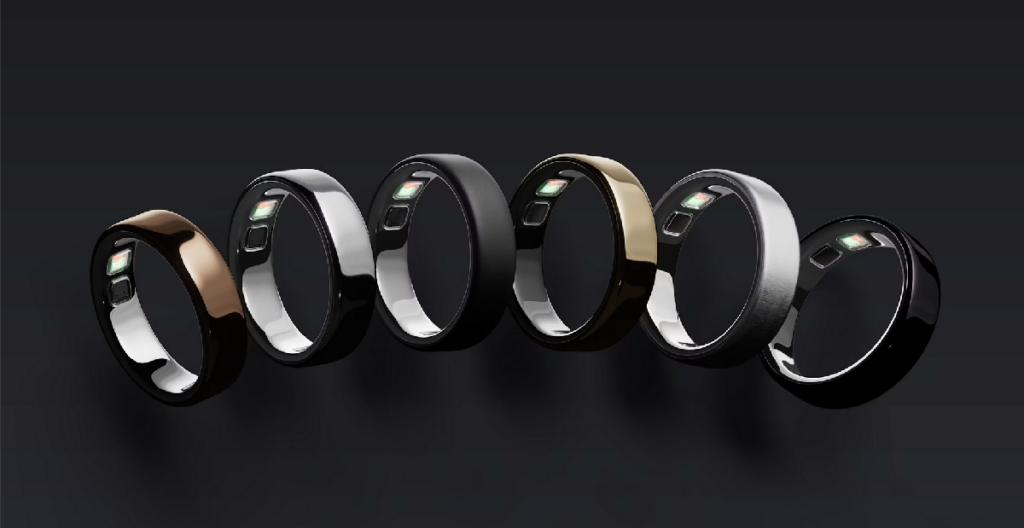
The Ring 5 is roughly 40% slimmer than the Ring 4, dropping from 7.9mm wide and 2.88mm thick to 6.09mm and 2.28mm. That translates to a minimum weight of just 2 grams in the smallest sizes (versus up to 5.2 grams for the Ring 4 in larger sizes). If you’ve ever unconsciously knocked your Ring 4 against a keyboard, steering wheel, or water glass and noticed it, you’ll feel the difference immediately.
The interior design also changed. The Ring 4 went fully flat inside: smooth and comfortable, but at the cost of sensor contact consistency. The Ring 5 brings back subtle sensor domes, which improve skin contact without creating the pressure points some people experienced with the Gen 3. It’s a thoughtful middle ground.
The physical vapor deposition (PVD) coating on the Ring 5 is notably tougher than what the Ring 4 offered, which matters for daily wear. Titanium is already resilient, but the upgraded scratch resistance on the Ring 5 should keep it looking newer longer.
Both rings are waterproof to 100 meters.
Tracking Accuracy: What’s Measurably Better in the Ring 5 and 4 Comparison
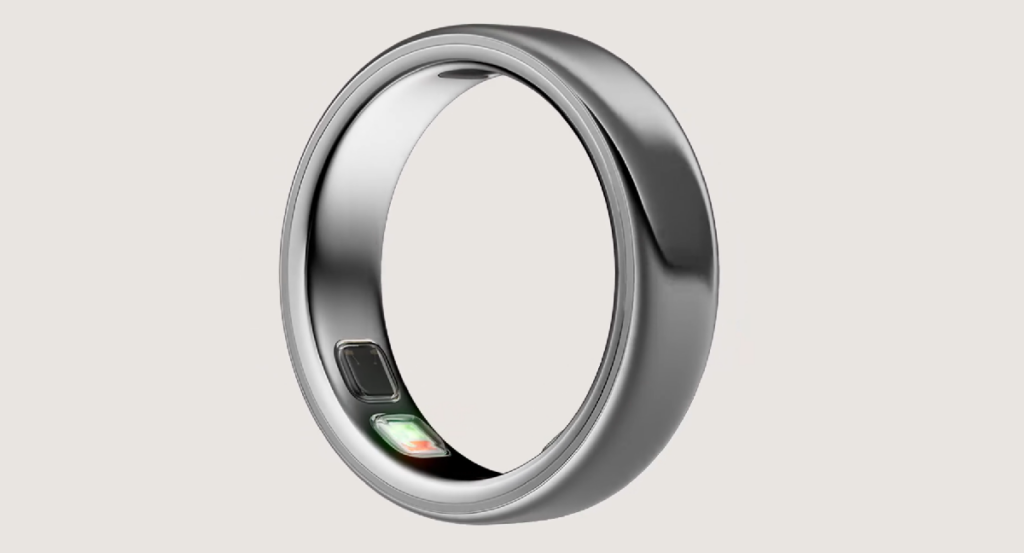
The Ring 4 introduced 18 flexible sensing pathways. Oura has revised that in the Ring 5, not by adding more paths, but by making 12 refined pathways stronger and repositioning the LEDs for more consistent skin contact across different finger types and skin tones.
The claimed improvements in Oura Ring 5 and Ring 4 specs terms: 12% better overnight HRV accuracy and up to 19–24% better signal quality during activity. These aren’t huge leaps, but HRV is one of the most noise-sensitive metrics in wearable health. Small accuracy gains there compound over time, especially for anyone using their recovery data to make training decisions.
Both rings track the same core metrics: sleep stages, readiness score, activity, stress, heart rate, HRV, SpO2, skin temperature trends, and menstrual cycle insights. The accuracy gap between them is real but modest. Ring 4 remains a validated, reliable tracker. The Ring 5 simply does it more precisely, with a better-fitting form factor that reduces motion artifact.
Software Features: What Ring 4 Gets Too (This Part Matters)
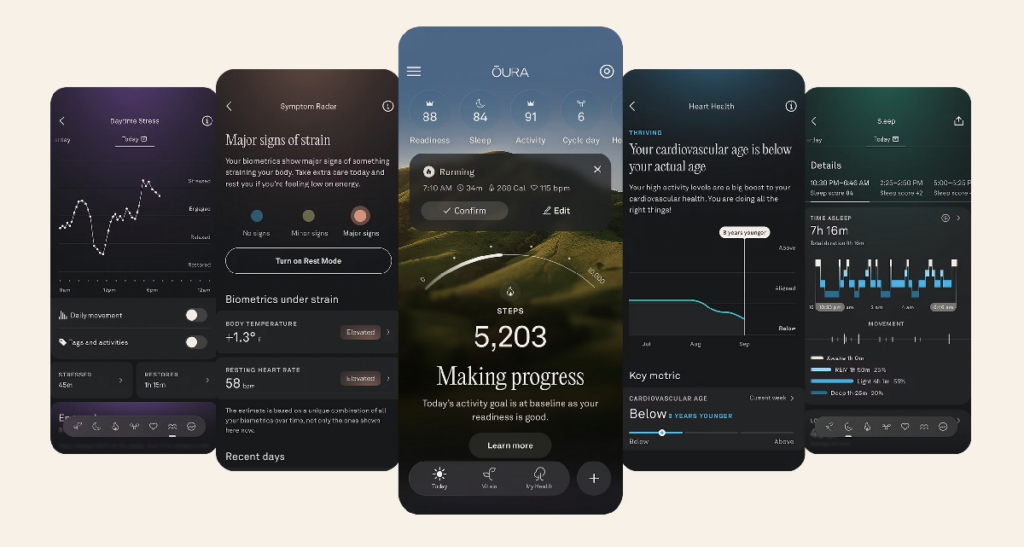
One of the more important things to understand when comparing Oura Ring 5 and Ring 4 is that most of the exciting new software isn’t Ring 5-exclusive. Oura is rolling out the following features to Ring 4 (and in many cases Gen 3) as well:
- Health Radar: A new dashboard that surfaces blood pressure signals and nighttime breathing patterns. This is the kind of longitudinal insight that makes Oura more clinically useful over time, not just a daily score generator.
- Live Activity Tracking: Track pace, distance, and key metrics in real time from your phone during runs, cycling, and strength sessions. Previously, Oura was post-hoc only. This closes a significant gap with Garmin and Apple Watch for active users. Available globally from June 4.
- GLP-1 Insights: For members using GLP-1 medications (like semaglutide), this feature surfaces relevant data patterns: sleep, HRV, recovery, as the body adapts. A genuinely differentiated feature for a fast-growing user group.
- Lab Uploads / Health Records Integration: Upload blood work and lab results directly into the app, so your biomarkers sit alongside your ring data. Rolling out globally June 30, 2026.
- Menopause Insights: Structured symptom assessment for perimenopause, with a personalized dashboard tracking how symptoms affect sleep, cognition, mood, and daily function. Available across all app users.
- Hormonal Birth Control: An update to Cycle Insights that adapts predictions for members using pills, patches, IUDs, implants, and other hormonal methods.
- AI-Enabled Care via Counsel Health: Early access to AI-assisted health guidance, building on Oura’s data layer.
- Privacy and Data Control: Members can now erase data by selecting a specific time window, preserving long-term trend history while removing what they don’t want stored.
- Locate: Find your ring or charging case through the app, available for both Ring 4 and Ring 5.
The point: if you’re buying a Ring 5 expecting a dramatically better app experience, you won’t find it. Ring 4 users get nearly everything too.
Battery Life: One Extra Day That Adds Up
Oura Ring 5 and Ring 4 battery life is one of the more practical differences in daily use. The Ring 4 officially lasts up to 8 days, though real-world use typically lands closer to 5–6 days. The Ring 5 extends that to up to 9 days. Full testing over weeks of use will clarify where it actually settles, but even a consistent extra day means fewer nights where you’re going to sleep without your ring charging anxiety in the background.
The new charging case adds another layer of peace of mind for travel: one month of stored battery, with wireless charging support that the Ring 4 never had.
Should You Upgrade from Ring 4 to Ring 5?
This is the question most people actually need answered, so let’s be direct:
Buy the Ring 5 if:
- You’re a new buyer. Ring 5 is simply the better hardware, and at a $50 premium over Ring 4, the comfort and accuracy improvements justify it as the current flagship.
- You’ve found the Ring 4 noticeably bulky. The difference in day-to-day comfort is real, especially during sleep, typing, or workouts. “Wear it and forget it” is genuinely more achievable with the Ring 5.
- You care about long-term accuracy margins. The improved HRV and activity signal quality add up over months of tracking, particularly if you use recovery data to guide training.
Stick with Ring 4 if:
- You already own one and the fit doesn’t bother you. Almost all new software features, including Health Radar, Live Tracking, Lab Uploads, and GLP-1 Insights, are coming to Ring 4. You’re not being left behind.
- You wear a size 4, 5, 14, or 15. The Ring 5’s size range (6–13) doesn’t cover the extremes, so the Ring 4 remains the only option for those fits.
- You’re budget-conscious and willing to shop now. With Ring 5 available, Ring 4 pricing will likely drop at retailers. A discounted Ring 4 is still one of the best health trackers on the market. The underlying tracking is excellent, just not quite as precise.
The Bottom Line
The Oura Ring 5 is an evolutionary upgrade built almost entirely around wearability. It’s not trying to reinvent biometric tracking. It’s trying to make the most accurate health ring also the most forgettable one on your hand, which is arguably the right engineering priority for something you’re supposed to wear 24/7.
Early hands-on feedback has been consistently positive on comfort. Long-term accuracy and durability reviews are still accumulating, so if you’re risk-averse, waiting for those is reasonable.
For anyone who has ever looked at their Ring 4 and thought it’s a bit much, Ring 5 is your answer. For Ring 4 owners who never think about the ring when it’s on: save your money, update the app, and enjoy the new software features rolling out this summer.
Sizing note: Order a sizing kit from Oura before purchasing Ring 5. Your Ring 4 size is likely not your Ring 5 size.
You might also like: