
When most of us hear “accessibility,” our brains jump straight to tools made specifically for people with disabilities. And those absolutely matter. But somewhere along the way, Microsoft turned Windows accessibility into a rich set of productivity and customization features that benefit almost anyone.
If you spend long hours at your desk, juggle a dozen apps at once, or enjoy finding smarter ways to get around your Windows 10 or 11 PC, these ten features are well worth adding to your everyday toolkit.
1. Text Size & Scaling
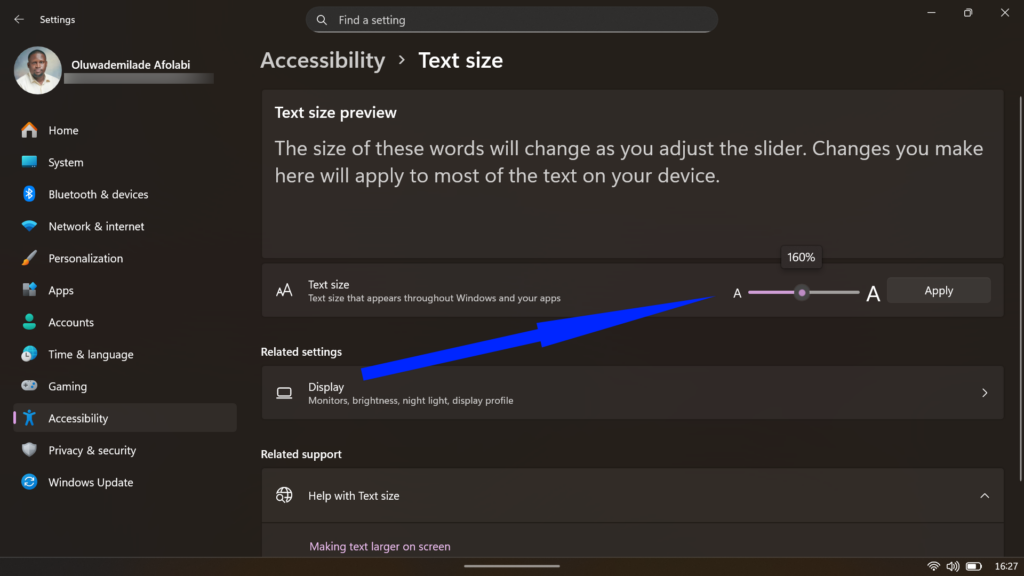
Straining to read small text isn’t just uncomfortable; it can lead to headaches and fatigue. Windows allows you to scale text and interface elements up to 225%, making everything from system menus to web browsers easier on the eyes. This feature is particularly valuable if you’re working on high-resolution displays where default text can appear small.
- To adjust, navigate to Settings > Accessibility > Text size.
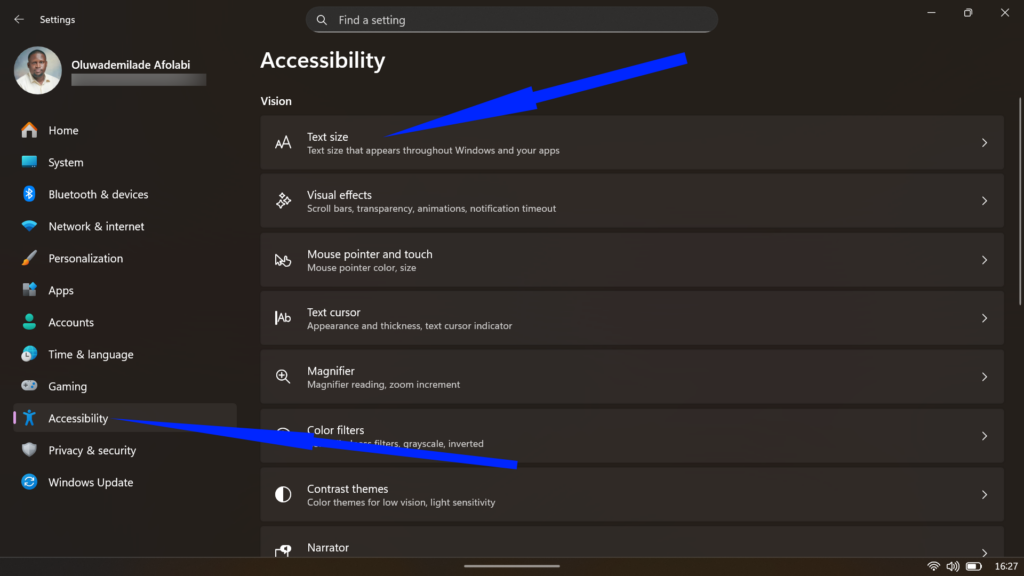
- For display scaling, go to Settings > System > Display > Scale.
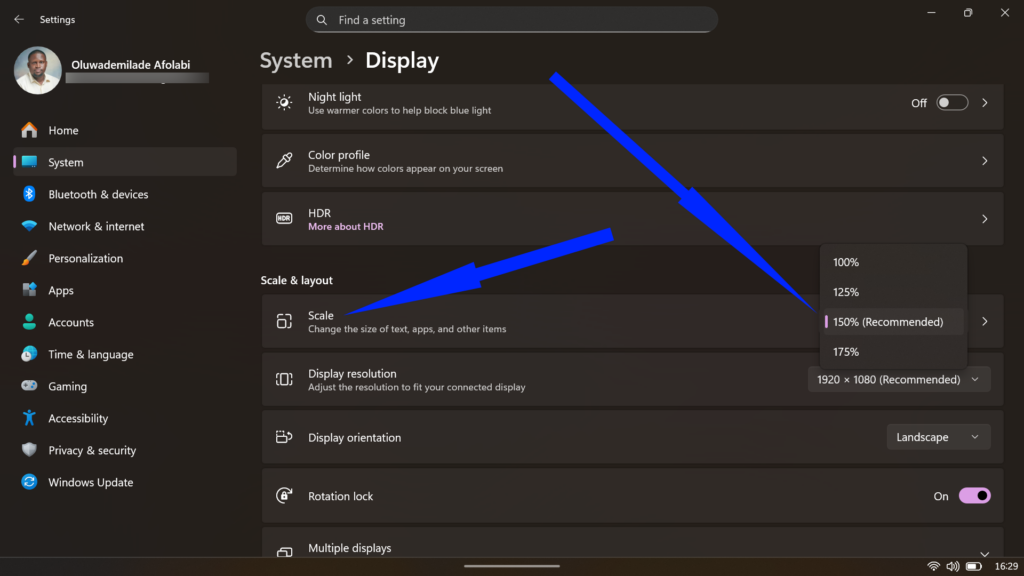
Unlike app-by-app zooming, system-wide scaling preserves layout and proportions across the entire interface, creating a more consistent and comfortable viewing experience.
2. Custom Mouse Pointers
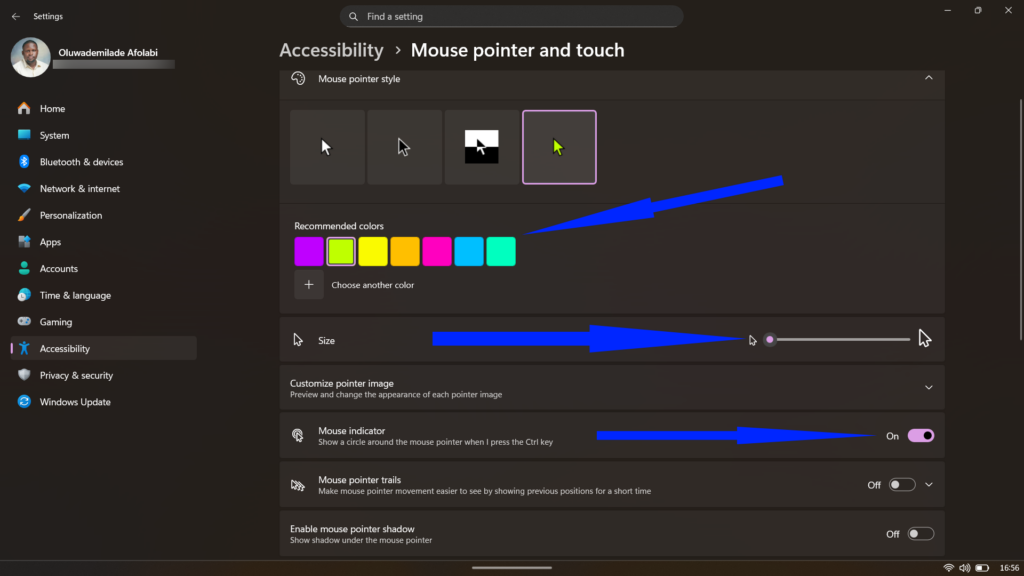
If you have ever lost your mouse cursor in a sea of open windows, you know how weirdly annoying that moment can be. Windows actually gives you a whole set of ways to make that little arrow much harder to misplace. You can crank up the pointer size to something like 15 times its normal self and splash it with custom colors, including an inverted option that pops no matter what is on your screen.
For even more visibility, you can turn on pointer trails or enable the little ripple effect that appears when you tap the Ctrl key, like a spotlight calling your cursor back to center stage.
- All of this lives under Settings > Accessibility > Mouse pointer and touch.
What looks like a cosmetic adjustment can reclaim minutes of lost time and reduce the mental friction of hunting for a disappearing arrow.
Related: How to Use Windows 11 Media Creation Tool
3. Color Filters & Contrast Themes
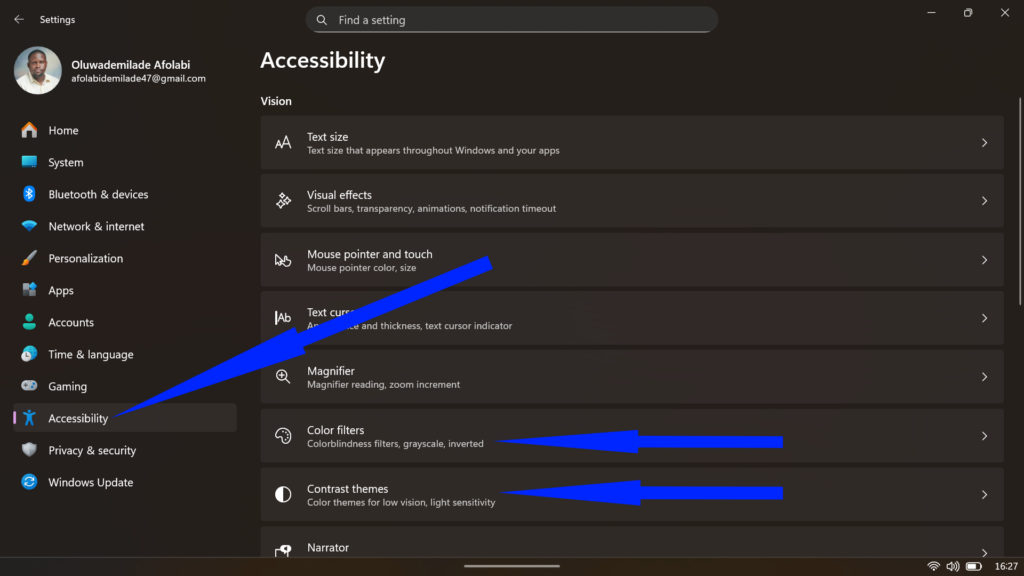
Everyone’s eyes play by slightly different rules, and after a long stretch in front of a screen, even the best of them start to feel it. Windows actually pack in a set of color filters that were built with color blindness in mind—deuteranopia, protanopia, tritanopia—but they turn out to be just as handy for cutting eye strain or making things easier to read when the lighting around you is less than ideal.
You can enable grayscale to reduce visual noise and dial back the harsh blue glow, or switch to a high-contrast theme to make text and icons stand out.
You will find all of this under Settings > Accessibility > Color filters and Contrast themes.
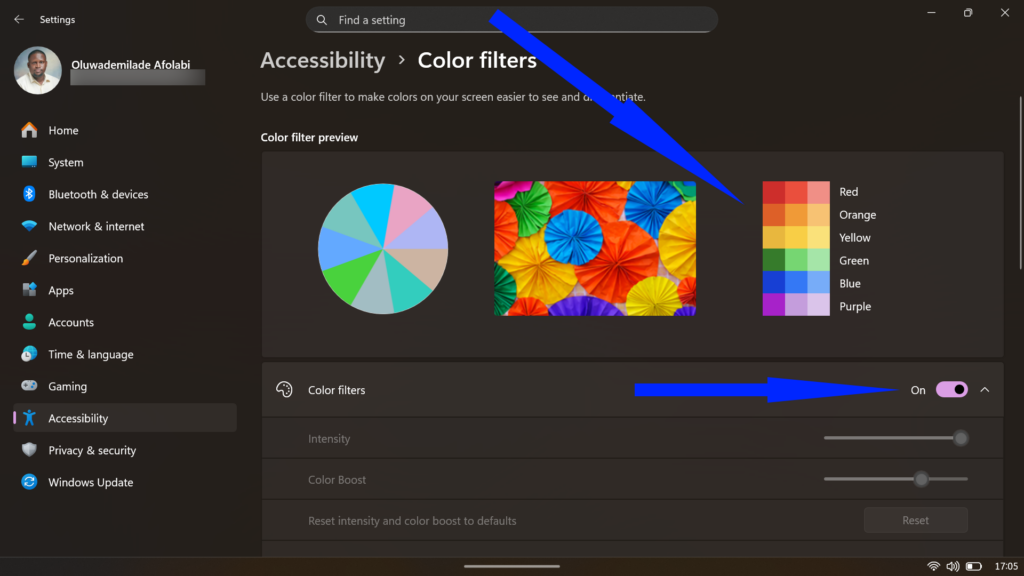
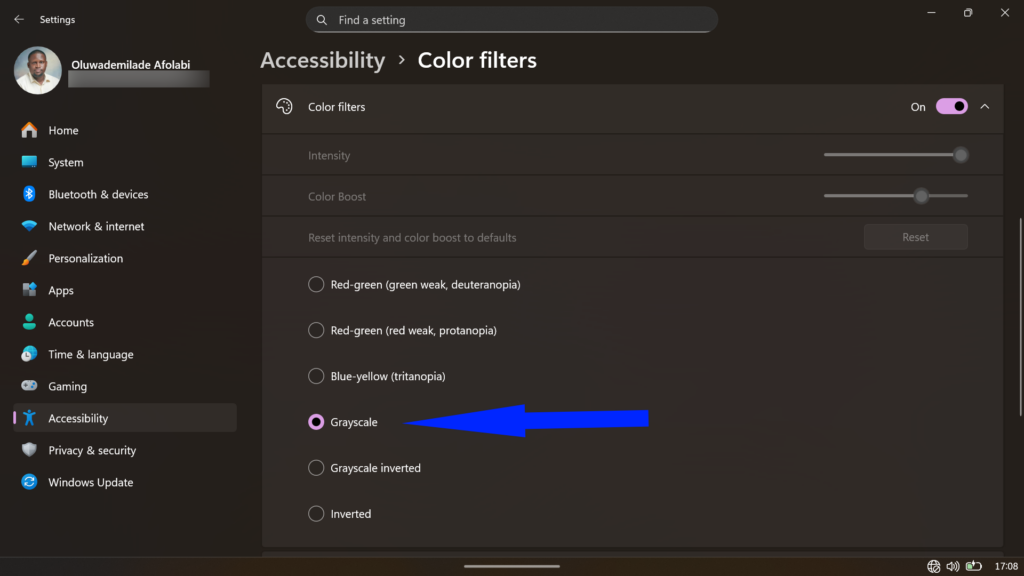
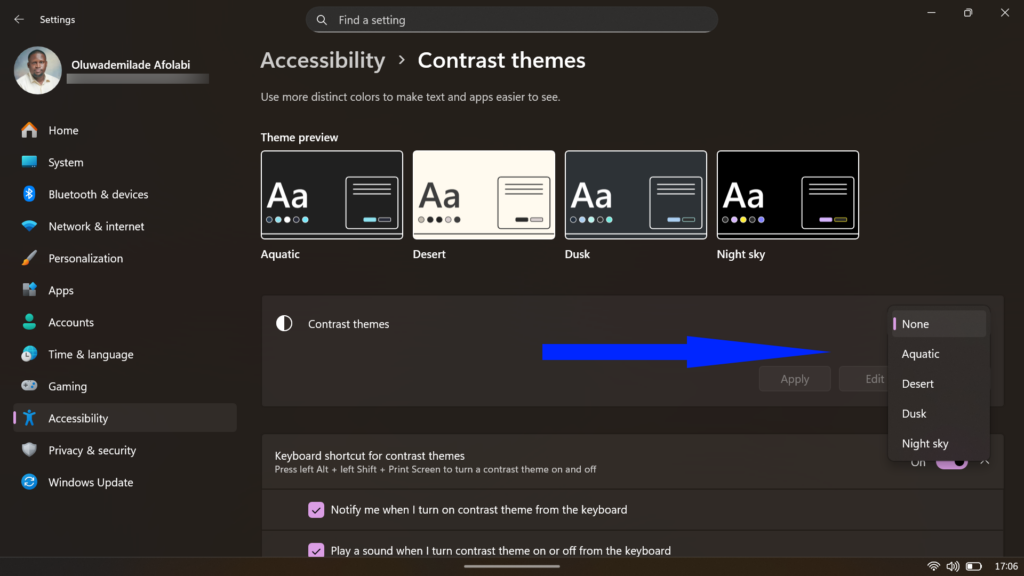
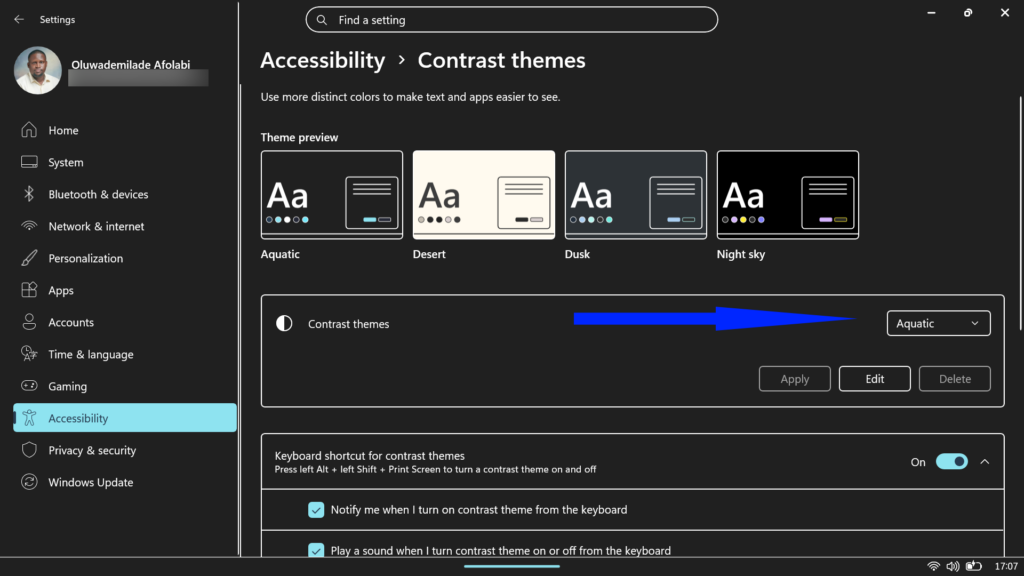
The fun part is experimenting. Mix and match until your screen feels like it works with your eyes rather than against them.
4. Live Captions
Live Captions is one of Windows’ most powerful features.
- Press Win + Ctrl + L, and your system will automatically transcribe any audio playing on your computer in real-time—whether it’s from video calls, YouTube videos, podcasts, or media files.
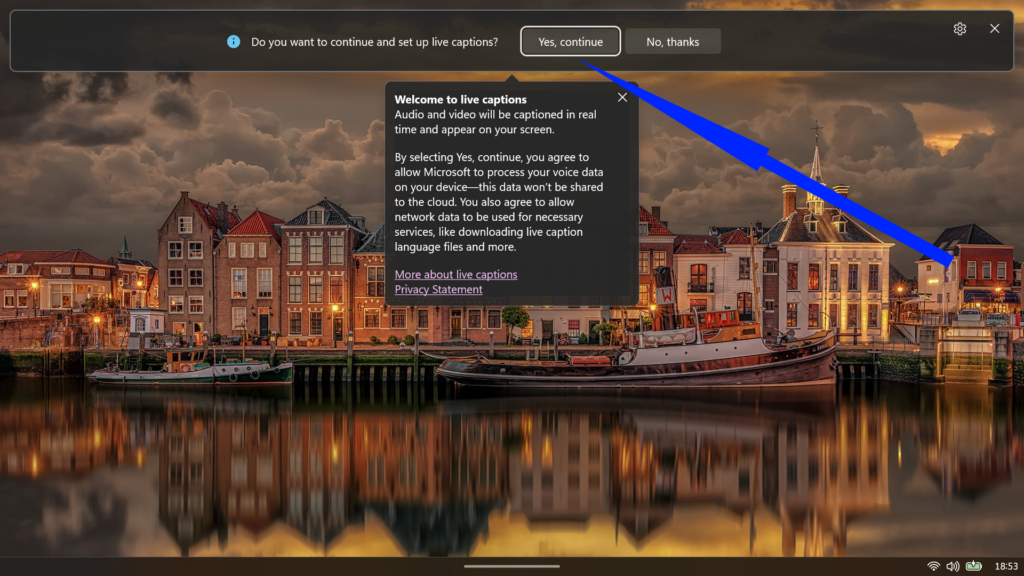
This feature is a lifesaver in noisy rooms, when you’re following content in a second language, or anytime you need to keep the sound muted. The captions appear in a customizable overlay you can move and resize to fit your workspace. Accuracy is consistently strong, and once the language pack is downloaded, everything runs offline, keeping your audio on the device.
5. Flash Screen for Notifications
Audio alerts are easy to miss when you’re wearing headphones, in a loud environment, or simply focused on your work. Flash notifications convert those alerts into visual signals by briefly flashing your screen or active window whenever a system notification arrives.
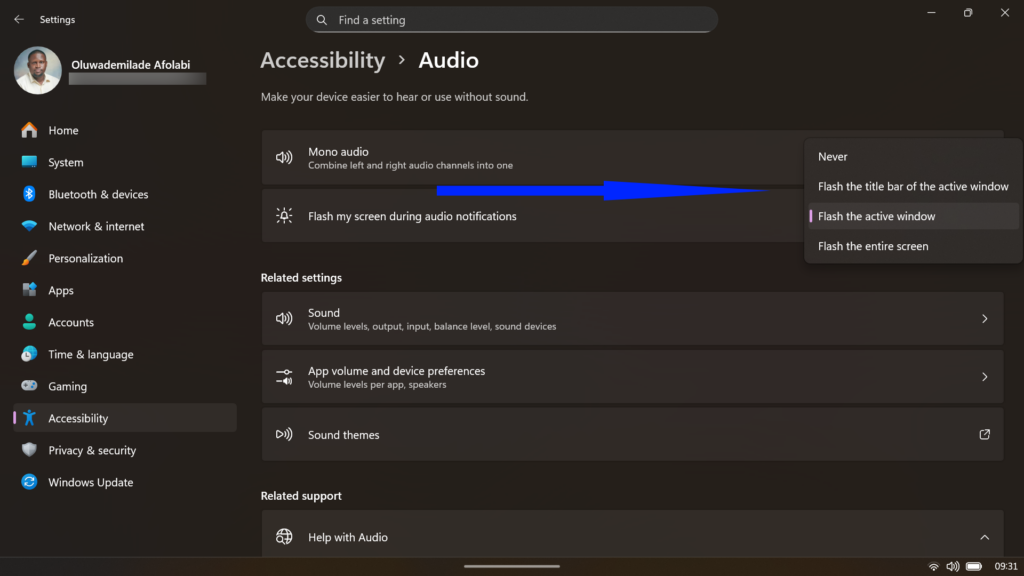
You can configure this under Settings > Accessibility > Audio, where you can choose whether to flash the entire screen, just the active window, or the title bar. It’s particularly useful during video calls when audio alerts might be disruptive, or when working late at night without disturbing others.
6. Mono Audio
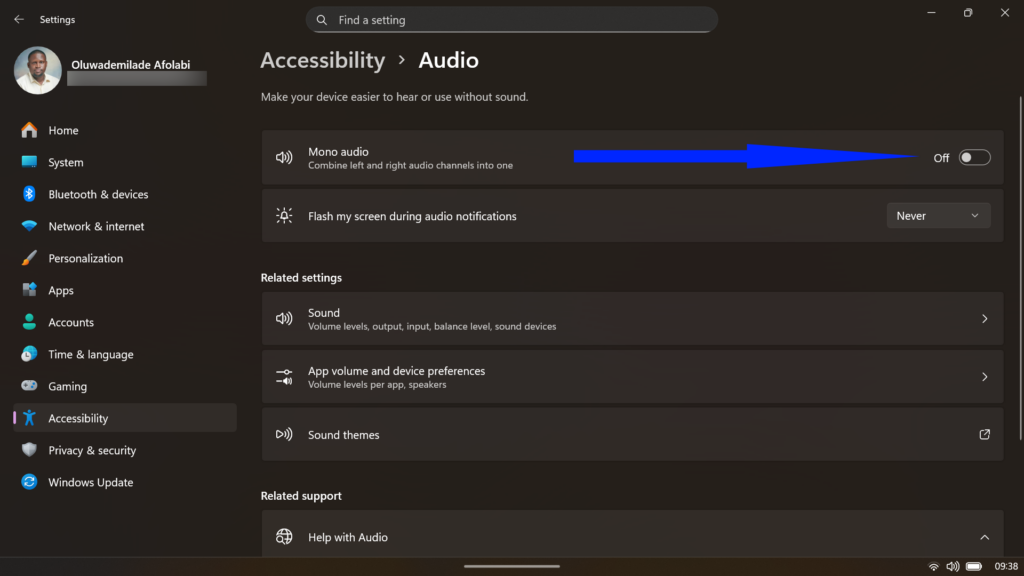
Stereo sound divides audio between left and right channels, which can be inconvenient if you’re wearing a single earbud, using speakers positioned to one side, or dealing with an imbalanced audio channel. Mono audio merges both channels into a single, unified stream, ensuring you don’t miss any part of the sound, regardless of which speaker or earpiece you’re using.
While it’s primarily designed for users with hearing differences between ears, it’s just as useful if you’re working one-eared, relying on mono speakers, or diagnosing audio problems. You can enable it under Settings > Accessibility > Audio by toggling Mono audio on.
7. Voice Typing
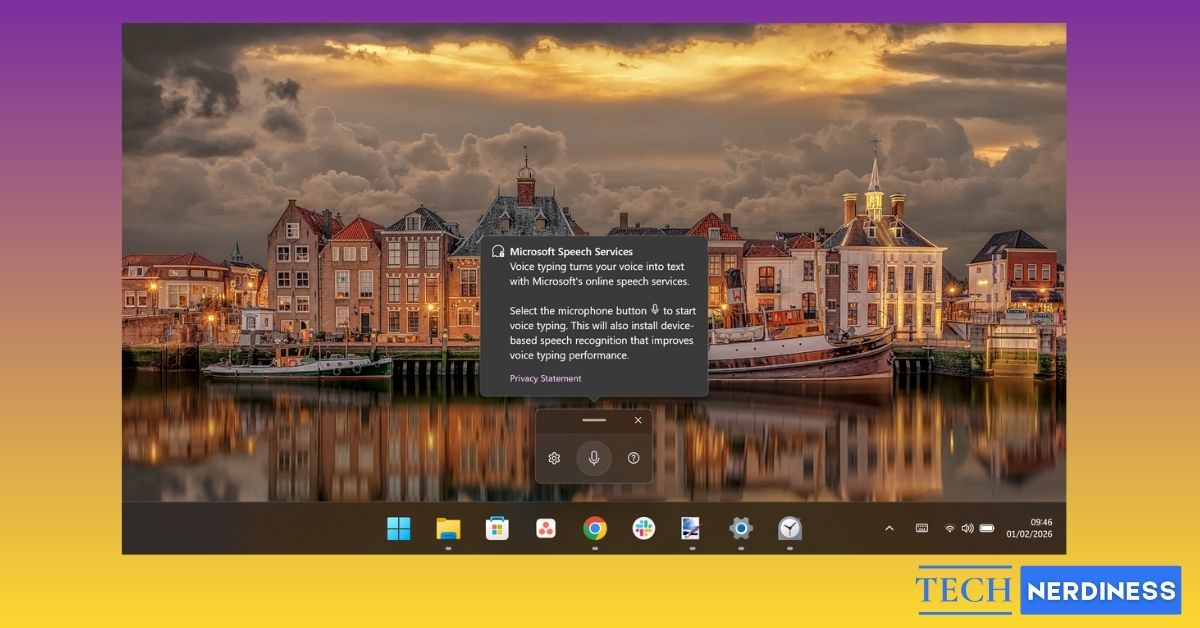
Typing fatigue is very much a thing, especially after a long writing stretch or if your wrists have started filing formal complaints. That is where voice typing comes in.
- Press Win + H to activate, and Windows will happily turn whatever you say into text in pretty much any text box on the system.
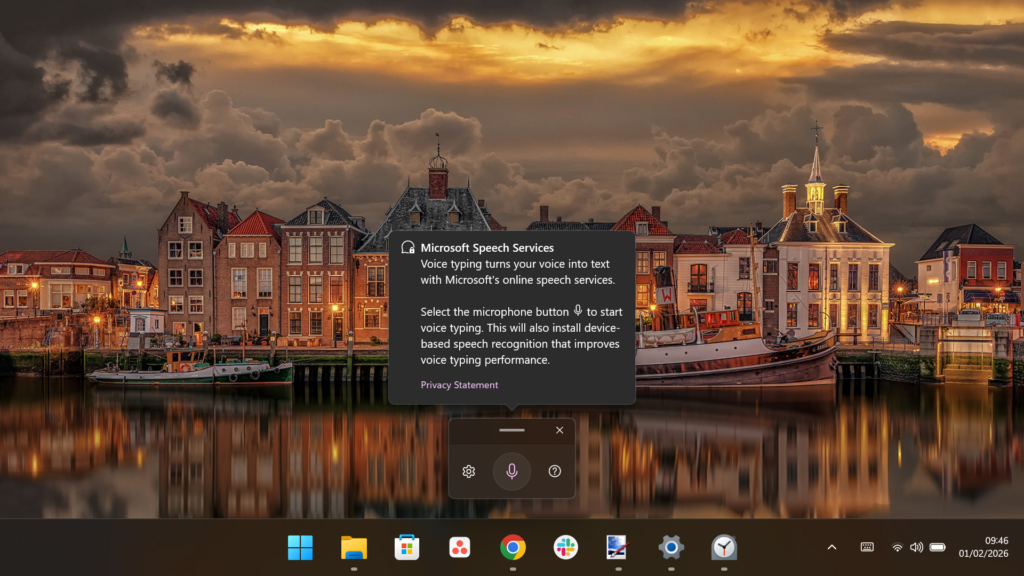
It’s remarkably accurate, handles automatic punctuation, understands editing commands, and handles proper names and even technical terms well. It does work best with an internet connection, but once you get used to it, it feels like a productivity cheat code. Your hands get a break, and your ideas keep moving.
8. Voice Access
Voice Access extends voice control beyond dictation, enabling you to manage your entire Windows experience hands-free. You can open applications, click buttons, switch windows, scroll, and navigate menus—all using voice commands.
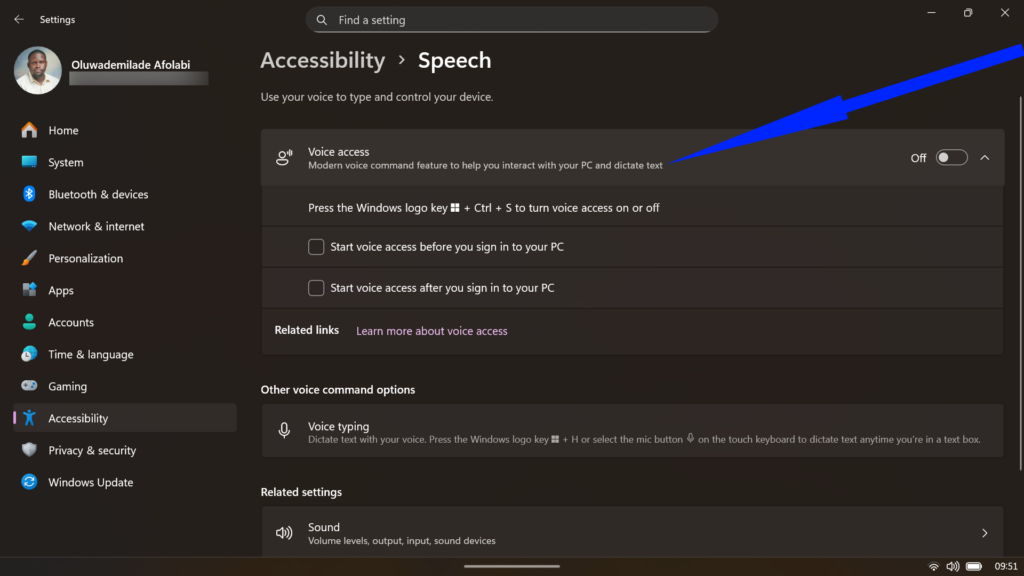
- Set it up through Settings > Accessibility > Speech, and when you want to activate voice access, press the Windows + Ctrl + S. It displays numbered overlays on clickable elements so you can say “click 5” to interact with that element.
The learning curve is minimal, with a helpful command guide always available.
9. Focus Sessions
Focus Sessions, which you’ll find in the Windows Clock app, creates dedicated time blocks where Do Not Disturb mode activates automatically, notifications are silenced, and optional integration with Microsoft To Do helps you plan your work.
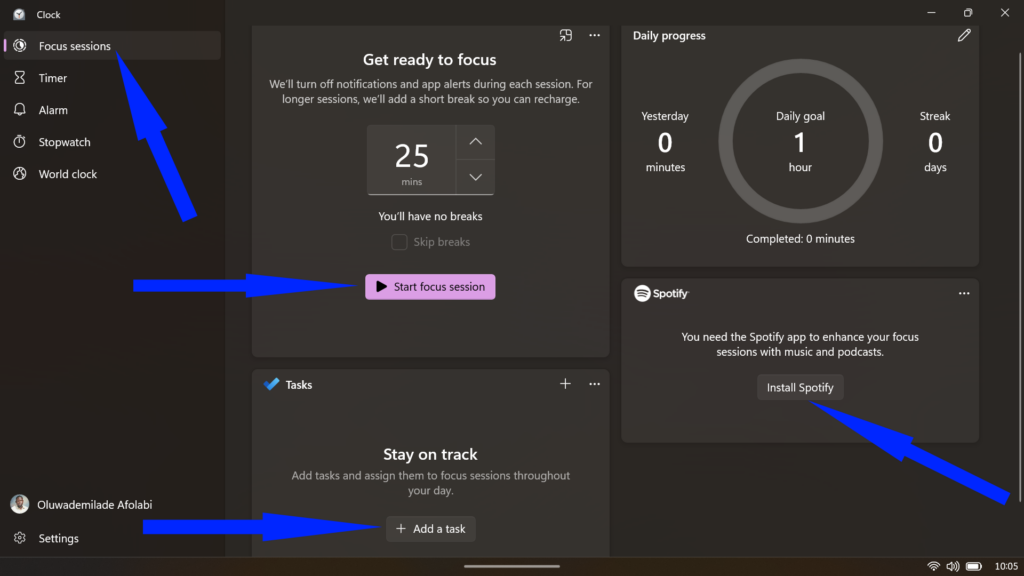
The built-in timer uses the Pomodoro Technique by default (25-minute work sessions with breaks) but can be customized to your preferred intervals. You can also link Spotify for focus music.
10. Narrator
Narrator is Windows’ built-in screen reader that reads aloud text, buttons, and other elements on your screen. While primarily designed for users with vision impairments, it’s also quite useful for proofreading documents, consuming written content while multitasking, or reducing eye strain during extended reading sessions.
- Activate it with Win + Ctrl + Enter.
- You can configure detailed settings, including verbosity level and keyboard shortcuts, in Settings > Accessibility > Narrator.
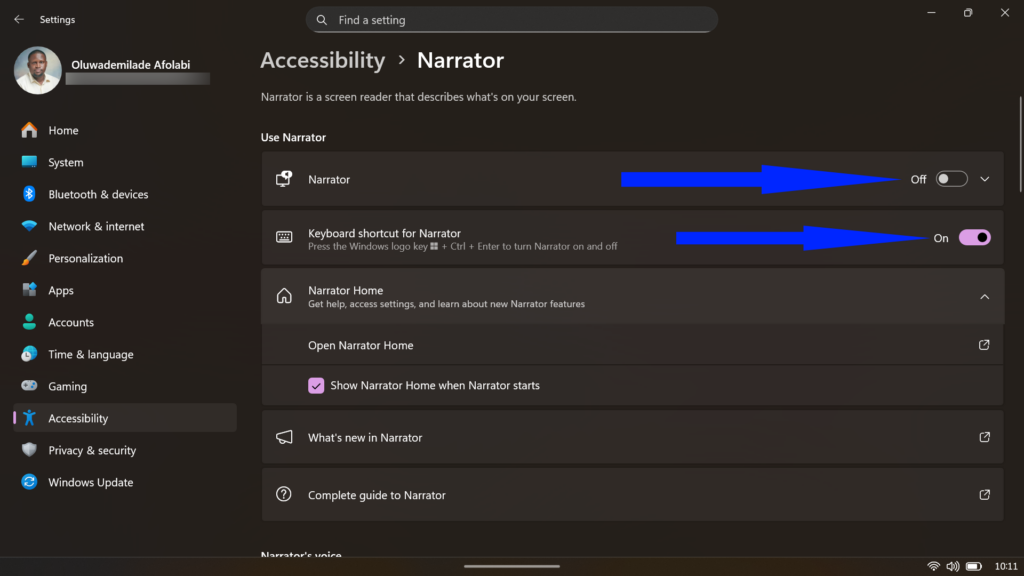
Narrator can read web pages, emails, documents, and system dialogs, with adjustable voice speed and multiple voice options. You can also use it to listen to articles or reports while doing other tasks, effectively turning any written content into an audiobook.
Conclusion
By exploring these features, you’re likely to discover that they address frustrations you didn’t even realize were solvable. And so, whether you adopt all ten features or just experiment with a couple, you’ll be taking advantage of powerful built-in tools that make your computing experience more comfortable, efficient, and personalized.
Read more: